The Rise of AI in the Beverage Industry
The global beverage industry is evolving rapidly as technology reshapes how drinks are developed, produced, and marketed. Today’s consumers are more adventurous than ever, constantly seeking new flavors, healthier ingredients, and unique beverage experiences. This shift has pushed beverage companies to innovate faster and more efficiently.
However, traditional beverage development processes often require months or even years of research, testing, and reformulation. Developing a new drink usually involves numerous trial batches, sensory testing, and consumer feedback cycles. These steps can be costly and time-consuming.
This is where AI flavor prediction beverages technology is beginning to transform the industry. By using artificial intelligence to analyze flavor data, consumer preferences, and ingredient compatibility, companies can predict which beverage flavors are most likely to succeed before entering full production.
From AI taste prediction to beverage R&D automation and smart beverage production, artificial intelligence is becoming a powerful tool for beverage innovation. As competition intensifies and consumer tastes evolve quickly, AI-driven flavor prediction is emerging as one of the most important trends shaping the future of the beverage industry.
What Is AI Flavor Prediction in Beverages?
1. Understanding AI Flavor Prediction
AI flavor prediction beverages refers to the use of artificial intelligence and machine learning algorithms to analyze flavor profiles, ingredients, and consumer behavior in order to predict successful beverage formulations.
Instead of relying entirely on traditional trial-and-error methods, AI systems can process vast amounts of data to identify patterns in taste preferences. These systems can then recommend new flavor combinations or optimize existing beverage formulas.
This technology allows beverage developers to make smarter decisions earlier in the product development process, reducing both time and cost.
2. How AI Taste Prediction Works
The process of AI taste prediction typically involves three main stages: data collection, data analysis, and flavor modeling.
2.1. Data Collection
AI systems gather large datasets from multiple sources, including:
- Existing beverage recipes
- Ingredient flavor compounds
- Market sales data
- Social media discussions about flavors
- Consumer taste surveys
- Regional beverage trends
These data points provide valuable insights into what consumers enjoy and how different ingredients interact with one another.
2.2 Data Analysis
Once collected, machine learning algorithms analyze the relationships between ingredients and consumer preferences. AI can detect hidden patterns that humans may overlook, such as which fruit combinations perform well in certain markets or which botanical ingredients are gaining popularity.
2.3. Flavor Simulation
Finally, AI can simulate potential beverage formulations and predict how consumers might respond to them. This helps developers narrow down the most promising recipes before conducting physical experiments.
Through this process, AI flavor prediction beverages technology significantly accelerates the innovation cycle.
 Why AI Flavor Prediction Is Transforming Beverage Innovation
 Why AI Flavor Prediction Is Transforming Beverage Innovation
1. Faster Product Development
Speed is critical in the modern beverage market. Consumer trends change quickly, and companies must respond rapidly to stay competitive.
Traditionally, developing a new beverage product could take anywhere from 12 to 24 months. This lengthy process includes concept development, ingredient sourcing, formulation testing, shelf-life studies, and consumer trials.
With AI flavor prediction beverages systems, companies can dramatically shorten this timeline. AI quickly analyzes data and identifies promising flavor combinations, allowing R&D teams to focus on the most viable options.
As a result, beverage companies can launch innovative drinks faster and adapt more effectively to emerging market trends.
2. Reduced Research and Development Costs
Product development is one of the most expensive aspects of the beverage industry. Each unsuccessful trial batch means wasted ingredients, labor, and laboratory resources.
By integrating beverage R&D automation, AI reduces the number of failed experiments. Instead of testing hundreds of flavor combinations manually, developers can rely on AI-generated insights to prioritize the most promising formulations.
This approach helps companies:
- Minimize ingredient waste
- Reduce laboratory testing costs
- Shorten development cycles
- Allocate resources more efficiently
Over time, the cost savings from AI-driven development can be substantial.
3. Discovering Unique Flavor Combinations
Another advantage of AI taste prediction is its ability to identify unconventional flavor pairings that humans might not consider.
Artificial intelligence can analyze chemical flavor compounds across thousands of ingredients and determine which combinations may complement each other. This capability opens the door to innovative beverage concepts such as:
- Tropical fruit blended with botanical extracts
- Fruit and tea hybrid drinks
- Marine-based ingredients combined with fruit juices
- Plant-based functional beverages
These creative combinations help brands differentiate themselves in a crowded market.
As consumers increasingly look for new and exciting taste experiences, AI-powered flavor discovery provides a significant competitive advantage.
The Role of AI in Beverage R&D Automation
1. From Traditional Research to Smart Innovation
In a traditional beverage development workflow, the R&D process typically follows several steps:
- Market research
- Concept creation
- Ingredient formulation
- Laboratory testing
- Consumer tasting trials
- Product optimization
While this process is effective, it can be slow and resource-intensive.
Through beverage R&D automation, AI can streamline many of these stages. Instead of relying solely on human intuition, companies can combine expert knowledge with advanced data analytics.
This results in a more efficient and data-driven approach to beverage innovation.
2. Automated Flavor Formulation
One of the most powerful applications of AI in beverage R&D is automated flavor formulation.
AI systems can suggest ingredient ratios based on:
- Flavor balance
- Sweetness levels
- Acidity profiles
- Aroma compatibility
For example, if developers want to create a new tropical beverage, AI can recommend ideal proportions of mango, pineapple, citrus, and natural sweeteners.
This not only speeds up formulation but also increases the likelihood of producing a balanced and appealing drink.
3. Predicting Market Trends
AI is also extremely valuable for predicting beverage trends.
By analyzing global consumer data, AI systems can detect shifts in preferences, such as growing demand for:
- Low-sugar beverages
- Plant-based ingredients
- Functional drinks with health benefits
- Natural and clean-label products
These insights allow beverage companies to develop products that align with future demand rather than reacting after trends have already peaked.
As a result, AI supports more strategic product development.
AI Flavor Prediction and Smart Beverage Production
1. Integration With Smart Manufacturing
The concept of smart beverage production involves integrating advanced technologies such as artificial intelligence, automation systems, and Internet of Things (IoT) sensors into manufacturing operations.
When AI flavor prediction is connected with production systems, manufacturers can optimize not only product development but also large-scale beverage production.
For example, smart manufacturing systems can:
- Monitor ingredient quality in real time
- Adjust formulations automatically during production
- Track production data for quality analysis
This integration improves operational efficiency and ensures consistent beverage quality.
2. Maintaining Flavor Consistency
Flavor consistency is essential for beverage brands. Consumers expect the same taste experience every time they purchase a drink.
AI can help maintain this consistency by analyzing production data and identifying small variations in ingredients or processing conditions. If the system detects a potential deviation in flavor profile, adjustments can be made before the product reaches consumers.
This level of control is particularly important for companies producing beverages at large scale across multiple factories.
Real Applications of AI Flavor Prediction
1. Functional Beverages
The functional beverage market has grown rapidly in recent years. Consumers increasingly seek drinks that offer additional health benefits, such as vitamins, collagen, or plant-based nutrients.
AI helps developers balance flavor and functionality by predicting how active ingredients interact with other components. This allows companies to create nutritious beverages without compromising taste.
2. Fruit-Based Drinks
Fruit beverages remain one of the most popular drink categories worldwide. However, standing out in this competitive segment requires innovative flavor profiles.
AI can analyze thousands of fruit combinations and suggest blends that match current consumer preferences. These insights enable brands to create unique tropical mixes, fruit-herbal drinks, or fruit-tea hybrids.
3. Regional Flavor Customization
Consumer taste preferences vary widely across different regions.
For example:
- Southeast Asian markets often prefer tropical and refreshing flavors
- European markets may favor lighter, less sweet drinks
- North American consumers increasingly seek functional beverages
With AI flavor prediction beverages technology, companies can tailor beverage formulations to suit specific regional markets, increasing their chances of success.
Challenges of AI Flavor Prediction
Despite its many advantages, AI flavor prediction also presents several challenges. Data quality is a major factor. AI systems require large, accurate datasets to generate reliable predictions. Without high-quality data, results may be less effective.
Another challenge is the balance between technology and human creativity. Flavor experts and beverage developers still play a crucial role in interpreting AI insights and designing final products.
Finally, implementing AI systems requires investment in technology and expertise, which may be a barrier for smaller companies.
However, as AI technology becomes more accessible, these challenges are gradually decreasing.
The Future of AI Flavor Prediction in Beverages
Looking ahead, AI will likely play an even larger role in beverage innovation.
Future developments may include:
- Personalized beverage recommendations based on individual taste profiles
- Real-time flavor optimization during manufacturing
- Predictive analytics for global beverage trends
- Deeper integration between AI, robotics, and smart production systems
As these technologies evolve, AI flavor prediction beverages solutions will continue to reshape how drinks are created and produced.
About Wana Beverage
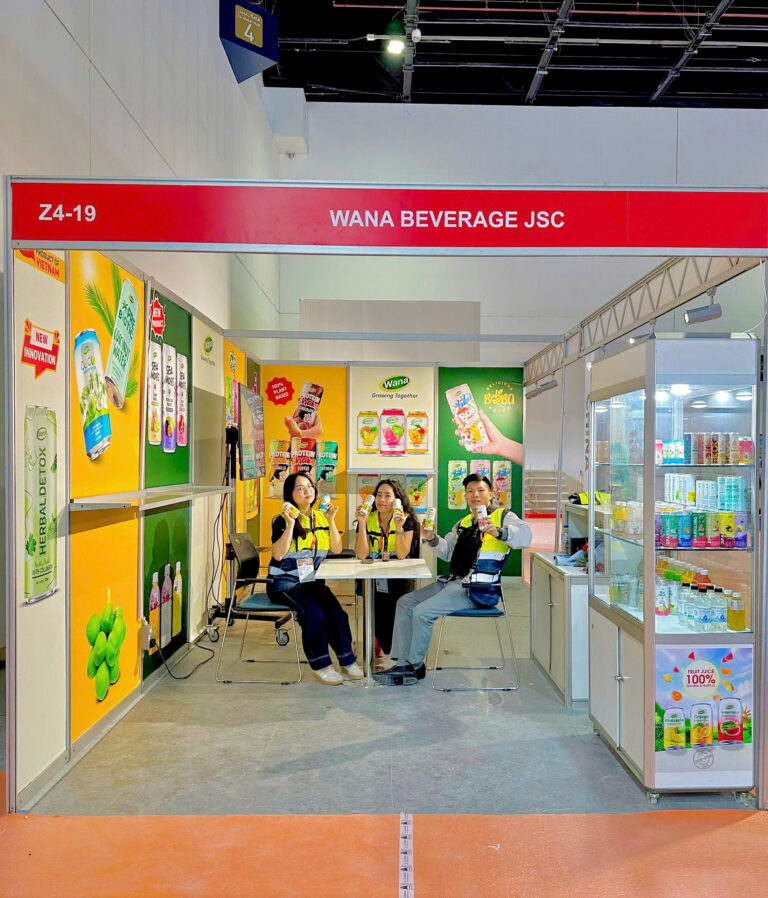
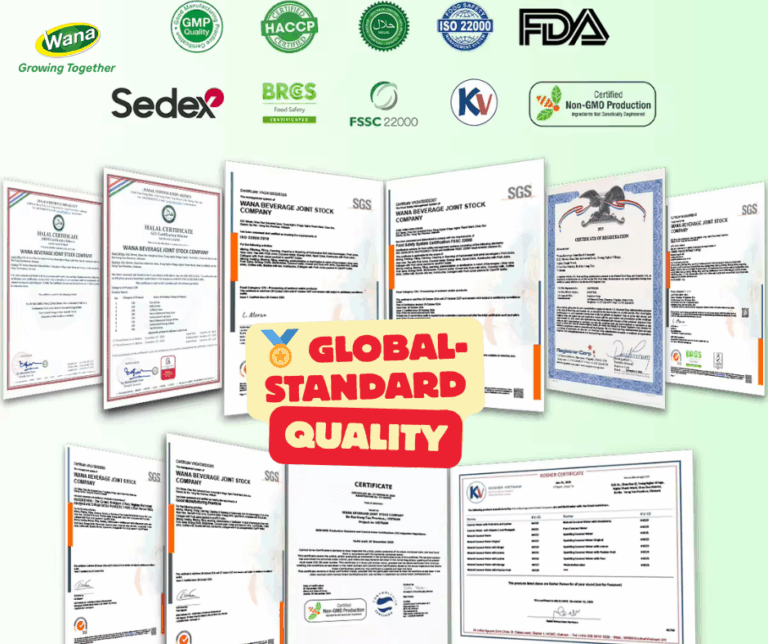
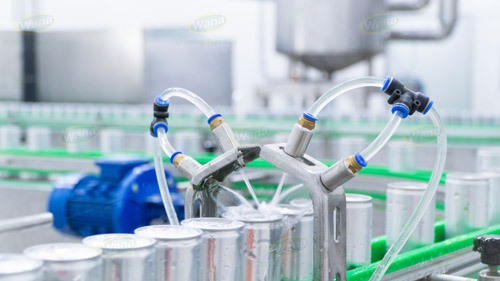
Wana Beverage (formerly known as Asia Food & Beverage Co., Ltd) is a trusted OEM beverage manufacturer that has partnered with over 100 global brands across 40+ countries since 2016. We help turn beverage ideas into high-quality products while optimizing production costs and strengthening brand identity in the target markets.
As a leading private label beverage supplier, we handle everything from sourcing ingredients, developing custom formulas, to bottling and packaging. By 2025, we have one main OEM beverage factory and partner with four co-invested facilities in Southern Vietnam, reaching a monthly capacity of 600 containers.
Conclusion
Artificial intelligence is transforming the beverage industry in remarkable ways. By enabling faster product development, reducing research costs, and discovering innovative flavor combinations, AI flavor prediction beverages technology is redefining how companies approach beverage innovation.
Combined with AI taste prediction, beverage R&D automation, and smart beverage production, AI allows beverage brands to develop products more efficiently while meeting rapidly changing consumer expectations.
As competition intensifies and technology advances, companies that embrace AI-driven flavor prediction will be better positioned to lead the next generation of beverage innovation.