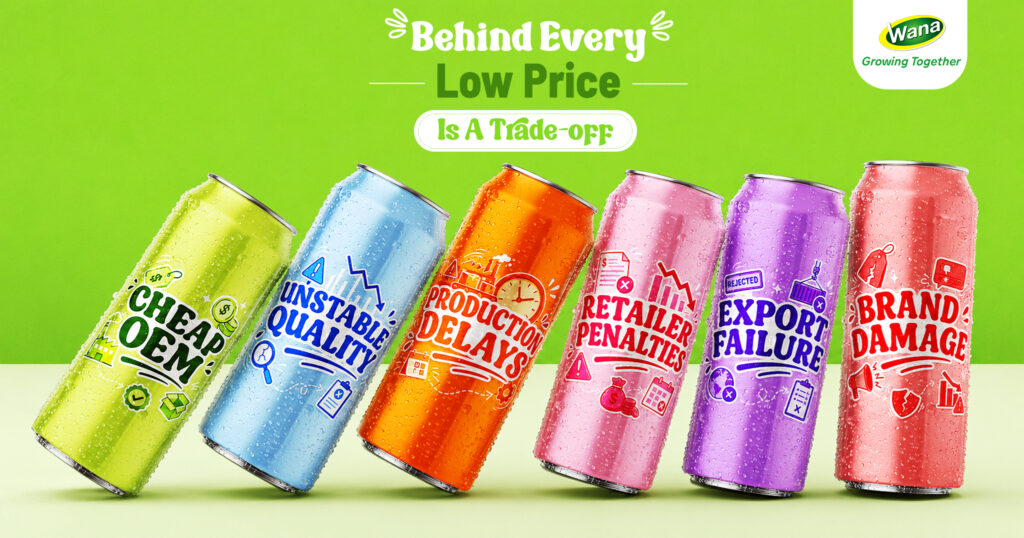
Choosing a beverage manufacturer based only on price may seem like a good way to save costs at the beginning. However, low-cost production often comes with hidden risks that only appear later — during scaling, distribution, or after the product reaches the market. These are common cheap beverage manufacturing risks that can quietly undermine long-term plans.
Issues such as inconsistent product quality, shipment delays, or unstable shelf life can create unexpected costs and affect long-term brand growth. For brands tempted by cheap beverage manufacturing alone, these problems may escalate as volumes increase. That’s why many beverage brands today focus not only on pricing, but also on manufacturing reliability, product stability, and long-term production capability.
1. Weak R&D Can Create Product Quality Problems
Every beverage starts with product development, but not all manufacturers invest the same level of effort into R&D and testing. Some low-cost factories simplify the development process to reduce expenses and speed up production. While this may lower the initial quote, it can create bigger problems later when production scales up.
A beverage that tastes good during the sampling stage may behave very differently after several weeks of storage or transportation. Without proper stability testing, products may experience taste changes, color separation, sedimentation, or shorter shelf life over time. These issues often become visible only after products reach distributors, retailers, or consumers. In many cases, brands end up dealing with customer complaints, returned inventory, or expensive reformulation after launch.
At Wana Beverage, product development is supported through structured OEM & ODM beverage manufacturing services designed to help brands maintain long-term product consistency from sampling to mass production.
2. Poor Compliance Can Delay Export Plans
For beverage brands planning to enter international markets, certifications and compliance are extremely important. Some low-cost manufacturers may not fully meet international production standards or documentation requirements. These issues may not create immediate problems in local markets, but they can become serious obstacles during customs clearance or retailer approval processes.
Missing paperwork, incorrect labeling, or inconsistent hygiene standards may delay shipments, increase additional compliance costs, or affect distribution timelines. In more serious cases, products may be rejected before entering certain export markets. Standards such as HACCP and ISO help support safer and more reliable production systems. Beverage brands exporting internationally may also refer to guidelines from the U.S. FDA Food Labeling & Nutrition Guidelines when preparing products for global markets. Working with a manufacturing partner that understands export requirements can help brands reduce operational risks and move products more smoothly across markets.

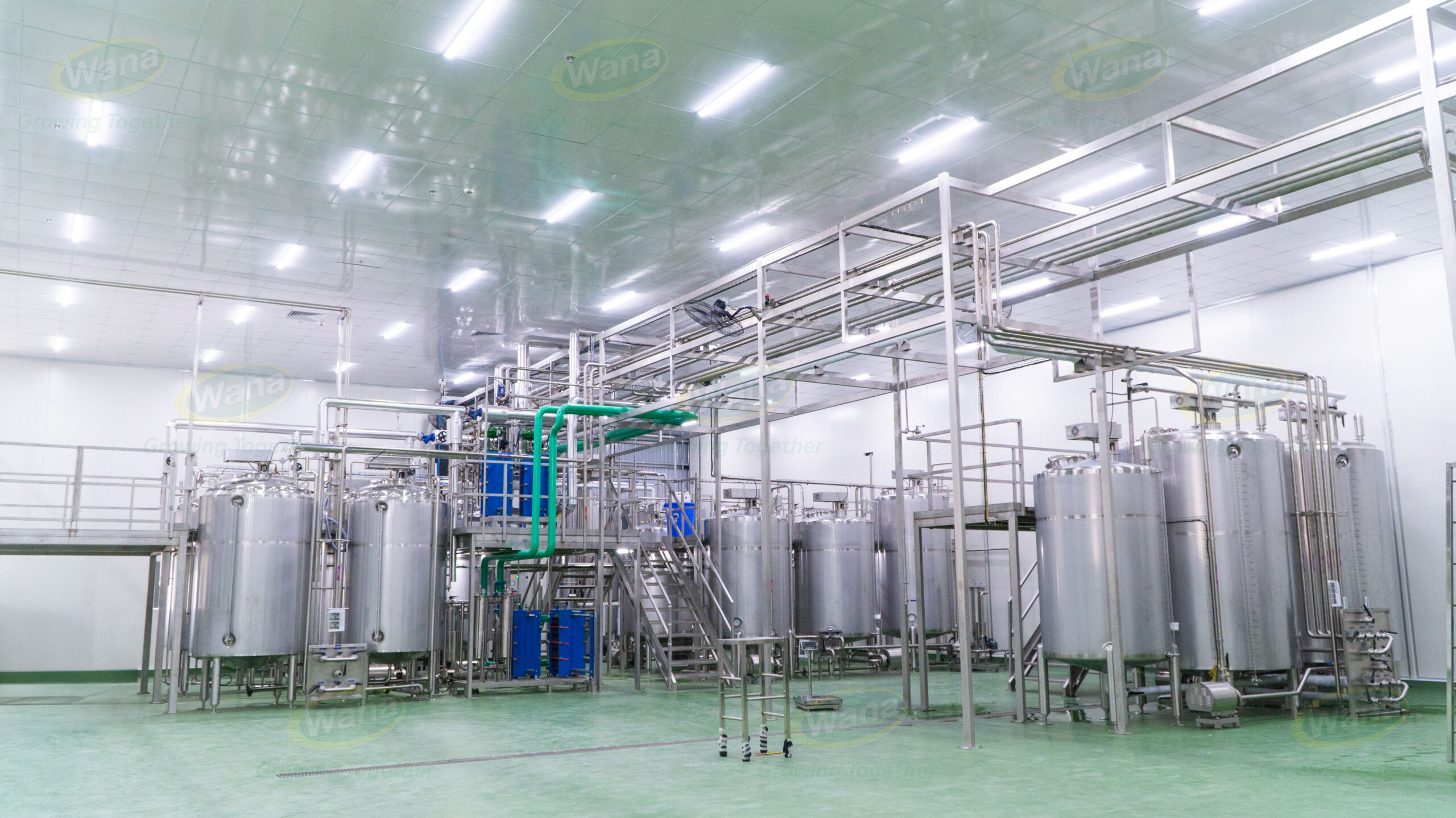
Product Development and R&D Quality
3. Older Production Technology Can Affect Product Competitiveness
Technology plays a much bigger role in beverage manufacturing than many people expect. Some factories continue using older production systems because they are cheaper to operate. While this may reduce manufacturing costs in the short term, it can also affect product quality, shelf life, and packaging flexibility.
For example, outdated production methods may require additional preservatives to maintain product stability. This can make it more difficult for brands to position themselves in clean-label or health-focused beverage categories. Modern production technologies such as aseptic filling help beverages stay stable for longer while reducing the need for preservatives. They also support better nutrient retention and more efficient transportation logistics.
In today’s beverage market, consumers pay closer attention to ingredients, label transparency, and overall product quality. Because of this, manufacturing capability now directly affects brand competitiveness. For beverage brands targeting premium positioning or export markets, production technology is no longer just an operational detail — it becomes part of the customer experience.
4. Scaling Production Is Where Many Problems Begin
Many beverage brands start with smaller production volumes, and at this stage, most factories may appear capable of handling the project. However, the real challenge usually begins when demand starts growing. Some low-cost manufacturers can manage small production runs but struggle when order volumes increase. As production scales, brands may begin facing inconsistent product quality, delayed lead times, unstable supply schedules, or communication issues.
These operational problems can quickly affect retail relationships and customer trust. For example, delayed shipments during seasonal campaigns or promotional launches may lead to missed sales opportunities or reduced shelf space in retail stores. Inconsistent batches can also become a serious issue for beverage brands trying to build long-term market trust. If customers notice differences in taste, texture, or appearance between products, it can damage confidence in the brand over time. A reliable manufacturing partner should be able to support both early-stage launches and long-term production growth while maintaining stable quality standards.
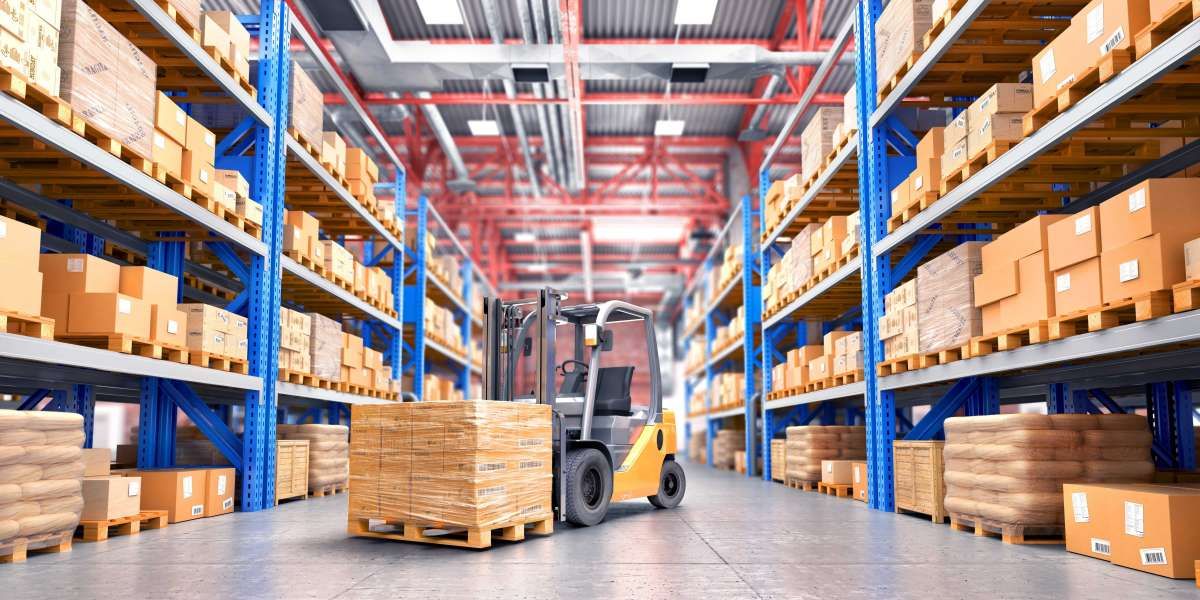
Warehouse full pallets
5. The Cheapest Quote Is Not Always the Lowest Cost
Many companies compare manufacturers mainly based on unit pricing. While pricing is obviously important, the cheapest quote does not always mean the lowest long-term cost. Low-cost production often creates hidden operational expenses that only appear later in the process. Some brands may need to reformulate products after launch because the original formula was not properly tested. Others face inventory waste, shipment delays, or repeated quality control issues that consume time and internal resources.
In some situations, companies spend more time solving supplier-related problems than focusing on sales, branding, or market expansion. A lower production quote may save money initially, but ongoing operational problems can eventually become much more expensive than expected. That’s why many experienced beverage companies evaluate manufacturers based on long-term value instead of short-term pricing alone. Stable production, reliable communication, and consistent quality often create much stronger business value over time.
6. Sustainability Also Affects Brand Reputation
Consumers today care more about sustainability and responsible production practices than before. Retailers and distributors are also paying closer attention to packaging efficiency, sourcing standards, and environmental responsibility when evaluating beverage products. Low-cost production focused only on short-term savings may overlook these areas completely. Over time, this can affect how consumers perceive the brand, especially in modern retail markets where sustainability is becoming part of purchasing decisions. Manufacturers that invest in efficient production systems, optimized packaging, and responsible sourcing can help brands build stronger long-term positioning while also improving operational efficiency. For beverage brands building long-term market presence, sustainability is no longer just a trend — it has become part of overall brand value.
7. Some Warning Signs Are Easy to Miss Early On
Choosing the wrong manufacturing partner usually does not create problems immediately. In many cases, the warning signs appear slowly during the development or scaling process. For example, pricing that seems unusually low compared to market averages may indicate limited testing, weaker quality control systems, or reduced production flexibility. Other signs may include unclear communication, inconsistent lead times, or incomplete certification documentation.
At the beginning, these issues may seem manageable. However, as production grows, they often develop into much larger operational challenges that affect product consistency and business performance. That’s why beverage brands should evaluate manufacturing partners carefully instead of focusing only on pricing during early discussions. Understanding cheap beverage manufacturing risks early can help teams set realistic expectations and safeguards.
Choosing the Right Manufacturing Partner
A good OEM beverage manufacturing partner should provide more than just production capacity. Brands should look for a manufacturing partner that can support product development, maintain consistent quality standards, and handle long-term production growth, especially when expanding into export markets. Reliable communication, stable production systems, and operational transparency are also important factors when building a long-term manufacturing partnership.
At Wana Beverage, we focus on helping beverage brands develop stable and scalable products designed for long-term growth. As an experienced OEM beverage manufacturing partner, we support end-to-end development with clear processes and quality controls.
Whether a brand is launching a new beverage concept or preparing for larger market expansion, strong manufacturing support can make a significant difference in long-term success.
Final Thoughts
In beverage manufacturing, the lowest price does not always create the best long-term value. Many production problems only appear later — when products begin scaling, entering retail markets, or moving into export distribution. Because of this, choosing the right manufacturing partner is often less about finding the cheapest quote and more about finding stable, reliable production support that can grow with the brand over time. Recognizing cheap beverage manufacturing risks in advance helps teams prioritize reliability and protect brand equity.
Q&A
Question: What can go wrong if a manufacturer skimps on R&D and stability testing?
Short answer: Products that taste fine during sampling can change after weeks in storage or transit—showing taste drift, color separation, sedimentation, or shortened shelf life. These issues typically surface at distributors, retailers, or with consumers, leading to complaints, returns, or costly post-launch reformulation. Robust, structured product development (OEM/ODM) with proper stability testing helps ensure the sample-to-scale consistency brands need.
Question: Which compliance and certifications matter for exports, and how can poor compliance slow entry into new markets?
Short answer: Lapses in documentation, labeling, or hygiene standards can delay customs clearance and retailer approvals—or even get products rejected. Standards like HACCP and ISO support safer, more reliable production. For labeling and nutrition, brands can reference the U.S. FDA Food Labeling & Nutrition guidelines when preparing for global markets. Working with a manufacturer that understands export requirements reduces delays, added compliance costs, and shipment risks.
Question: How does older production technology hurt competitiveness, and what advantages does aseptic filling offer?
Short answer: Outdated systems often rely on extra preservatives to keep products stable, making clean-label positioning harder and potentially affecting taste and nutrition. Modern technologies such as aseptic filling extend shelf life with fewer preservatives, support better nutrient retention, and improve logistics efficiency. In a market focused on transparency and quality, manufacturing technology directly shapes perceived product value and brand positioning—especially for premium and export-focused brands.
Question: Why do problems often emerge during scaling, and how can brands reduce the risk?
Short answer: Some low-cost manufacturers manage small runs but struggle as volumes rise, leading to inconsistent batches, delayed lead times, unstable supply schedules, and weak communication. These issues harm retailer relationships and erode consumer trust. To reduce risk, assess a partner’s ability to maintain quality at higher volumes, verify stable production systems and clear communication processes, and confirm they can support both early launches and long-term growth.
Question: If the cheapest quote isn’t the lowest cost, how should we judge true manufacturing value?
Short answer: Look beyond unit price to total operational impact. Hidden costs can include reformulation after launch, inventory waste, shipment delays, repeated QC firefighting, and diverted internal resources. Experienced brands prioritize long-term value—stable production, reliable communication, and consistent quality—over short-term savings. Considering a partner’s sustainability and efficiency practices can also strengthen brand reputation and improve overall cost-effectiveness over time.