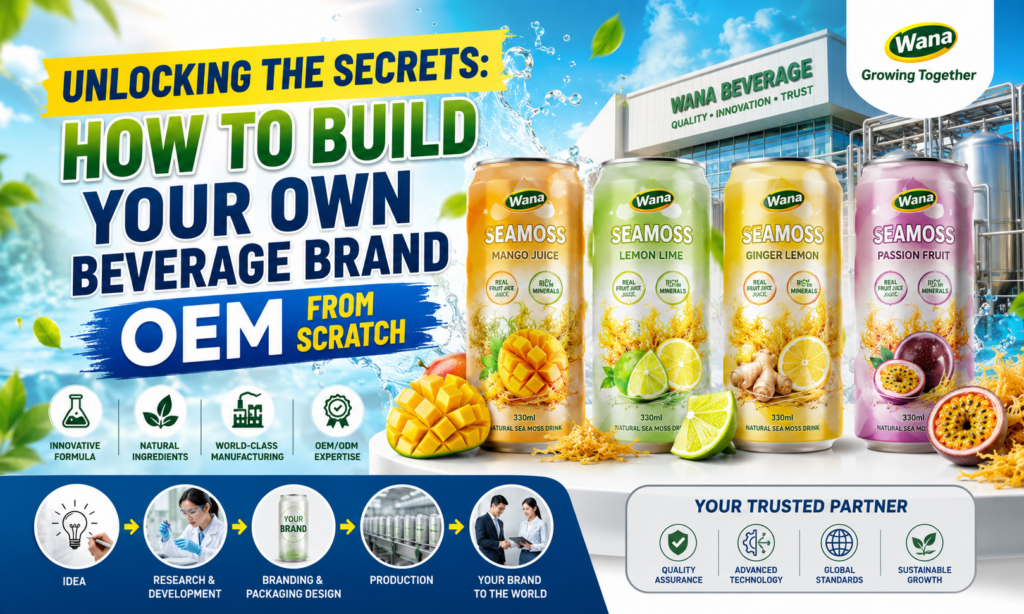
Building a beverage brand is no longer limited to companies that own factories. With an OEM (original equipment manufacturer) or ‘co-packer’d model, you can develop a formula, create a brand, and have a qualified manufacturing partner produce and pack your product to your specifications. This guide explains how to build your own beverage brand OEM-covering beverage industry trends, craft beverage branding, beverage label design, eco-friendly packaging options, small batch beverage production, wholesale beverage distribution, and the fast-growing functional beverages category.
Understanding the Beverage Industry Trends
Before you lock in a concept, confirm that your product idea matches how people buy beverages today-and how retailers and distributors evaluate new items.
Current Market Dynamics
- Convenience and ‘ready-to-drink’d formats: Consumers increasingly favor beverages that fit on-the-go routines (single-serve bottles and cans, multi-packs, and variety packs).
- Better-for-you positioning: Demand remains strong for products perceived as lower sugar, lower calorie, or made with recognizable ingredients. If you make any nutrition or health-related statements, ensure they’re supportable and compliant.
- Premiumization and craft signals: Shoppers often pay more for distinctive flavors, high-quality ingredients, and compelling brand stories-especially in specialty retail and natural channels.
- Retail scrutiny: Many buyers now expect evidence of velocity (sell-through), marketing support, and operational readiness (consistent supply, reliable lead times, and compliant labeling).
Future Predictions
- More functional beverages: Products featuring caffeine alternatives, electrolytes, protein, probiotics, adaptogens, or fiber continue to proliferate-along with more regulatory attention on claims and ingredient safety.
- Packaging and sustainability pressure: Lightweight, recyclable formats and PCR (post-consumer recycled) content are becoming more common, alongside consumer expectations for transparency.
- Data-driven launches: Brands increasingly use test markets, direct-to-consumer (DTC) pilots, and retailer data to refine flavors, price points, and pack sizes before scaling.
Craft Beverage Branding Essentials
OEM manufacturing can produce the liquid, but it can’t create your brand. Strong craft beverage branding often determines whether you win shelf space and repeat purchases.
Identifying Your Niche
- Choose a category and format: sparkling water, tea, coffee, juice/juice drinks, plant-based beverages, energy, sports hydration, mixers, or functional shots.
- Define a clear ‘reason to buy’d: flavor innovation, ingredient quality, a specific lifestyle, or a functional benefit (only if you can support it).
- Assess competitive set and price tiers. Retailers typically compare your product to nearby items on shelf-not to your business plan.
Creating a Compelling Story
- Explain why you exist (origin, mission, or problem you solve) in a way that fits on a can, a shelf tag, and a product page.
- Make it concrete: ingredients you source, process choices (where accurate), and the consumer moment you’re designed for.
- Keep it consistent across packaging, website, sales deck, and social content.
Target Audience and Consumer Preferences
- Write a one-sentence audience definition (e.g., ‘active adults who want a low-sugar hydration drink for workouts and commuting’d).
- Validate with real behavior: small retailer tests, event sampling, online ads to a landing page, or pre-orders (where practical).
- Use feedback to refine sweetness, carbonation level, caffeine level, pack size, and price tolerance.
Developing Your Beverage Label Design
Beverage label design affects shelf impact, trust, and compliance. In the U.S., labeling is regulated, and requirements vary by product type (for example, alcoholic beverages can fall under different federal rules than non-alcoholic beverages). If you’re unsure, consult a qualified regulatory expert.
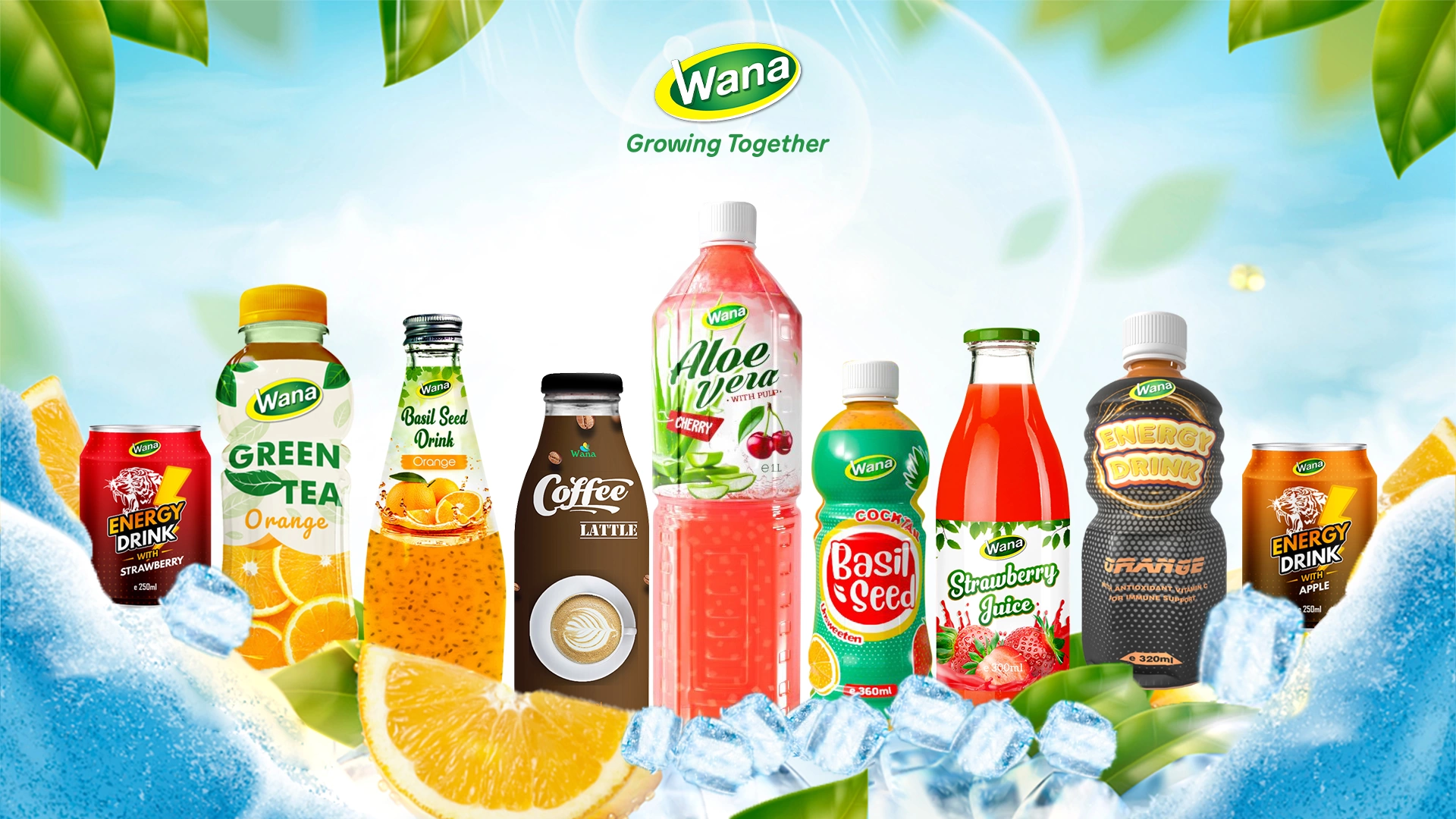
Importance of Labeling in Brand Identity
- Visual hierarchy: Shoppers should understand what the product is in seconds-brand name, product type, key differentiator, and flavor.
- Trust signals: Clear ingredients, transparent nutrition information, and consistent quality cues help convert first-time buyers.
Key Elements of Effective Beverage Labels
- Brand and product name, flavor/variant, and a clear description (statement of identity).
- Net quantity of contents (e.g., fluid ounces and metric equivalent, where applicable).
- Ingredients list in descending order by weight.
- Allergen declaration when applicable (U.S. major allergens include milk, eggs, fish, crustacean shellfish, tree nuts, peanuts, wheat, soybeans, and sesame).
- Nutrition Facts (or Supplement Facts if the product is legally classified as a dietary supplement) when required.
- Manufacturer/packer/distributor name and address statement, and country-of-origin marking where applicable.
- Lot coding/best-by date area (often printed, not part of the label art).
Compliance with Regulations
- Many beverages are regulated as foods by the FDA; alcoholic beverages may follow different federal labeling rules. Confirm your category early.
- Claims matter. ‘Low sugar,’d ‘good source of,’d ‘supports immunity,’d and similar statements can trigger specific substantiation and formatting requirements.
- Some beverage processes have additional controls (for example, juice has specific HACCP requirements; acidified products may require a scheduled process). Your OEM partner should help identify what applies.
Read more: How to create your own beverage without building a factory
Eco-Friendly Packaging Options
Packaging is a major cost driver and a major sustainability lever. Your choices affect minimum order quantities (MOQs), freight costs, shelf life, and recycling outcomes.
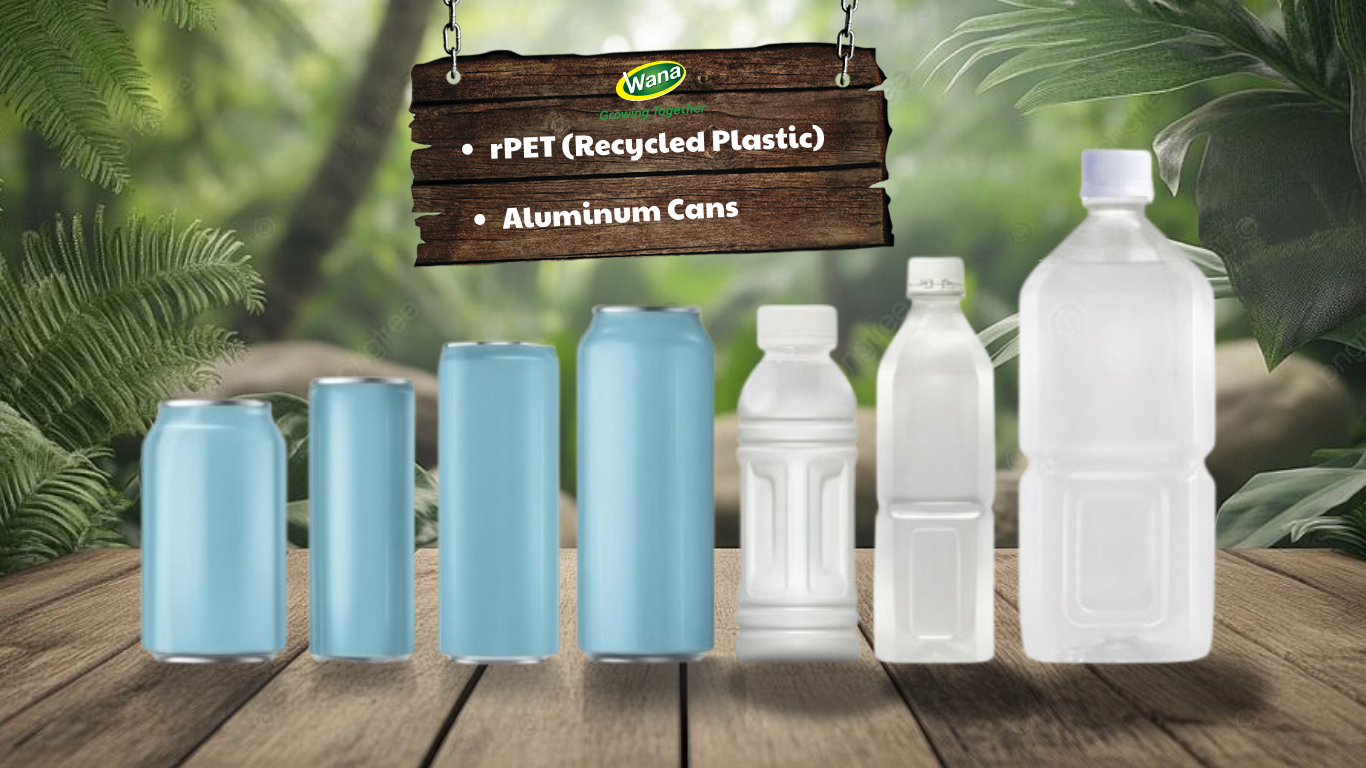
Sustainable Materials and Solutions
- Aluminum cans: Often favored for recyclability and light weight. Widely used for sparkling beverages, energy drinks, and RTD coffee/tea.
- Glass bottles: Premium feel and strong barrier properties, but heavier and typically more expensive to ship.
- PET/plastic bottles: Lightweight and common for still beverages; sustainability profile can be improved with PCR content and lightweighting (subject to performance needs).
- Cartons: Useful for certain still beverages; recycling access varies by region and facility capability.
- Secondary packaging: Recycled-content trays, minimalist multi-pack solutions, and right-sized corrugate can reduce waste and freight impacts.
Learn more: Top 7 Beverage Packaging Innovations Brands Can’t Ignore in 2026
Cost Considerations and Consumer Appeal
- ‘Eco-friendly’d should be specific and accurate. Avoid vague or unqualified environmental claims that could be misleading.
- Check what your OEM can run efficiently (can size, bottle finish, cap type, shrink sleeve vs. pressure-sensitive labels).
- Plan for supply chain variability (lead times for cans, ends, labels, and cartons can fluctuate).
Small Batch Beverage Production
Small batch beverage production is a practical way to validate product-market fit before you scale. It can also support seasonal drops and limited runs that build buzz.
Benefits of Small Batch vs. Mass Production
- Lower initial inventory risk (you learn before you buy large quantities of packaging and ingredients).
- Faster iteration on flavor, sweetness, carbonation, and stability.
- Better fit for DTC pilots, local retail, and event sampling.
Finding the Right OEM Partner
- Technical fit: Can they run your format (cans vs. bottles), process (hot-fill, cold-fill, aseptic, carbonation), and ingredients (pulp, dairy, plant proteins, emulsions)?
- Food safety and quality systems: Ask about their audits and certifications (common examples include GFSI-recognized schemes such as SQF or BRCGS), allergen controls, and traceability.
- MOQs and scalability: Understand the minimum run size now and what changes when you scale (line speeds, changeover costs, packaging specs).
- Development support: Some OEMs offer R&D, pilot runs, shelf-life testing coordination, and sourcing help; others require you to bring a fully validated formula.
- Commercial terms: Clarify payment terms, lead times, liability/insurance requirements, and who owns the formula and packaging artwork.
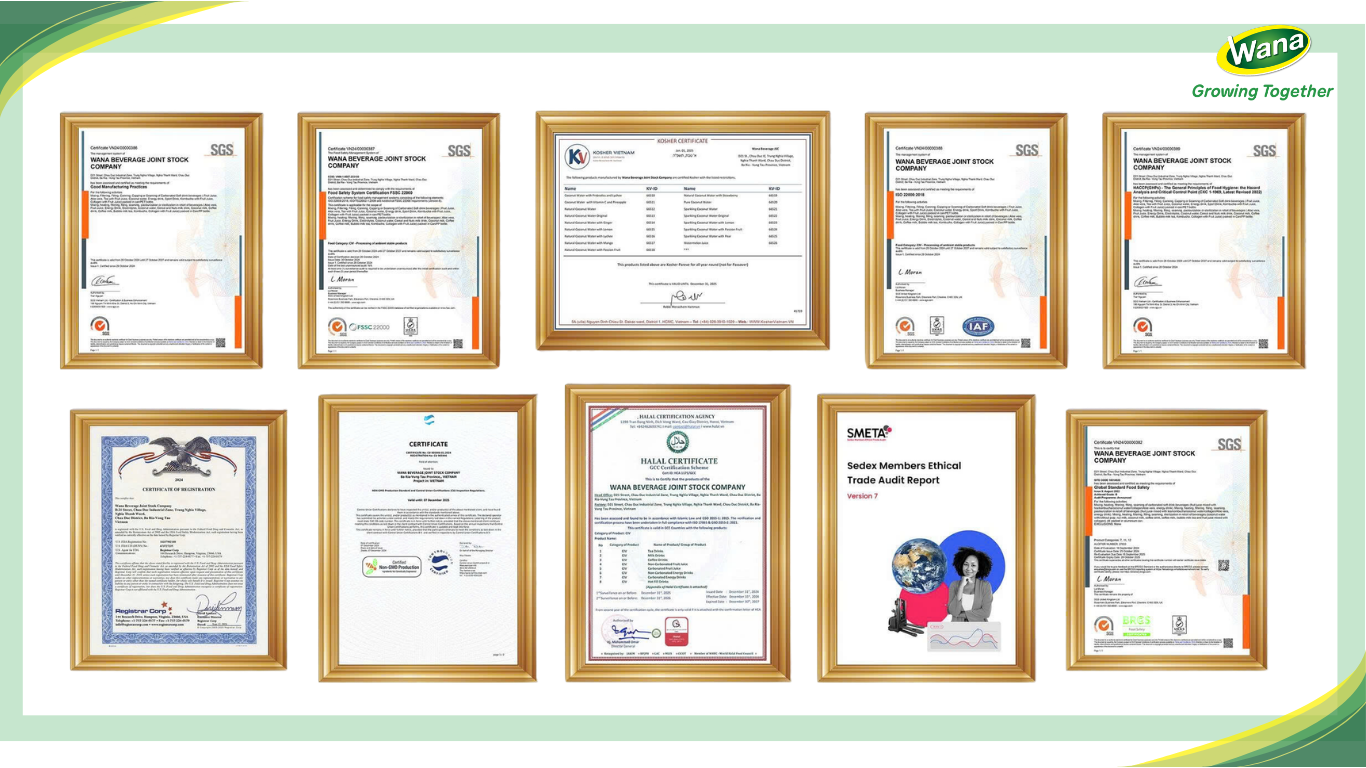
Quality Control and Brand Consistency
- Define quality specs in writing: flavor profile, brix, pH, carbonation volumes, fill weight, and sensory standards.
- Use Certificates of Analysis (COAs) where appropriate and align on microbiological and chemical testing plans.
- Confirm shelf life with real data (stability testing and storage conditions). Shelf life depends on process, packaging, distribution temperature, and formulation.
- Establish a change-control process so ingredient or packaging substitutions don’t surprise you.
Wholesale Beverage Distribution Strategies
Many brands stall not because the product is bad, but because distribution planning starts too late. Wholesale beverage distribution requires margin planning, operational discipline, and consistent demand generation.
Identifying the Right Distribution Channels
- Direct-to-consumer (DTC): Helpful for testing, storytelling, and building an owned audience. Shipping liquids can be expensive, so optimize pack sizes and fulfillment.
- Local retail: Independent groceries, specialty stores, caf’s, gyms, and boutique markets can be great early partners.
- Natural and regional chains: Often require a stronger supply plan, EDI capabilities, and proven velocity.
- Distributors: Can accelerate reach, but you typically need strong sell-through and marketing support to stay prioritized.
- Foodservice: Restaurants, hotels, and corporate caf’s can be high-volume if the format and pricing fit.
Building Relationships with Retailers
- Lead with a tight pitch: what it is, why it will sell, margin for the retailer, and how you’ll drive trial (sampling, promotions, digital marketing).
- Provide clean operational details: case pack, UPCs, pallet patterns, storage requirements (ambient vs. refrigerated), and shelf life.
- Support launches with field execution: demos, in-store merchandising, and reliable replenishment.
Pricing Strategies and Profit Margins
- Work backward from target retail price to ensure the economics support your channel mix (retailer margins, distributor margins where applicable, and promo cadence).
- Account for freight, warehousing, quality holds, and inevitable trade spend (discounts, ads, demos) as you scale.
- Avoid ‘race to the bottom’d pricing-especially if your brand promise is premium ingredients or unique functionality.
Functional Beverages: Tapping into Health Trends
Functional beverages can be a growth engine, but they also require careful formulation and careful marketing. In the U.S., regulatory requirements depend on how the product is classified and what you claim it does.
Understanding Functional Ingredients
- Common functional directions: hydration (electrolytes), energy (caffeine and alternatives), gut health (prebiotics/probiotics), protein, and relaxation or focus (ingredient choices vary widely).
- Safety and legality: Ensure ingredients are permitted for the intended use and that usage levels are appropriate. Confirm supplier documentation and quality specifications.
- Stability: Some functional ingredients can degrade over time, interact with other ingredients, or create off-notes. Pilot runs and shelf-life testing are essential.
Marketing Functional Beverages Effectively
- Use precise, supportable language. Avoid implying disease treatment or prevention unless you are legally permitted and properly substantiated (this is a common compliance pitfall).
- Make the benefit easy to understand at a glance (for example, ‘electrolytes for hydration’d is clearer than a long list of compounds).
- Educate without overpromising: simple explainers, ingredient sourcing info, and transparent nutrition panels build trust.
Wana Beverage: Your Trusted OEM/ODM Partner in Vietnam
For global brands looking to leverage Vietnam’s competitive trade advantages, Wana Beverage is the premier one-stop OEM/ODM beverage manufacturer. Established in 2016, we streamline the entire pipeline from conceptualization to final export.
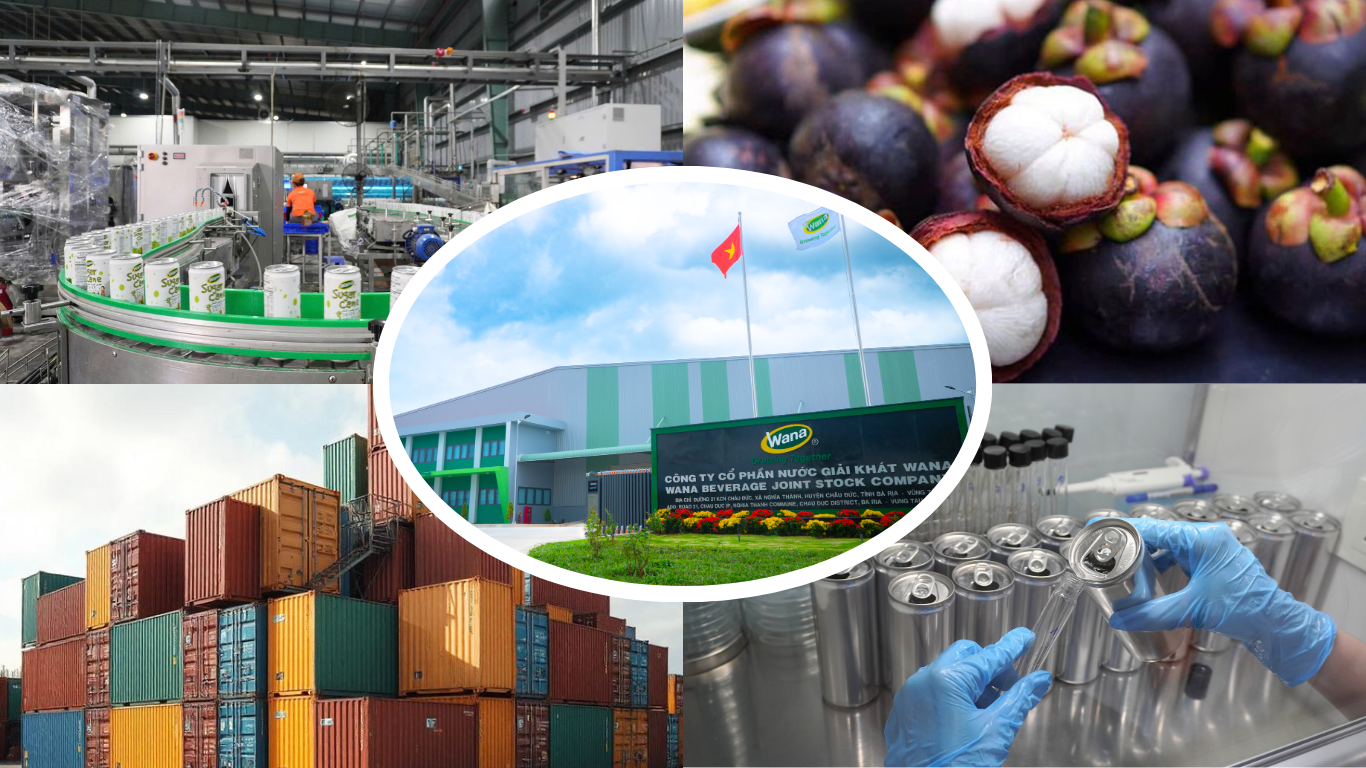
Full-Service Supply Chain Integration
We turn your product concept into a market-ready, compliant SKU with our comprehensive turnkey solutions:
- R&D & Custom Formulation: Tailored taste profiles, sensory alignment, and shelf-life stability testing.
- Compliant Packaging Design: Adapting labels to meet strict multi-market standards.
- Regulatory & Certification Consulting: Comprehensive support for FDA registration, customs compliance, and international documentation.
- Logistics Execution: Seamless manufacturing coupled with efficient export port coordination.
Proven Global Compliance & Export Experience
Wana Beverage is a seasoned player in international food and beverage (F&B) logistics:
- Global Footprint: Trusted by 100+ international brands across 40+ countries.
- Global Presence: Regular exhibitor at major trade shows like Gulfood, Thaifex, SIAL Paris, Anuga, and PLMA.
Massive Capacity & Packaging Flexibility
Our manufacturing infrastructure supports both emerging startups and high-volume retail chains:
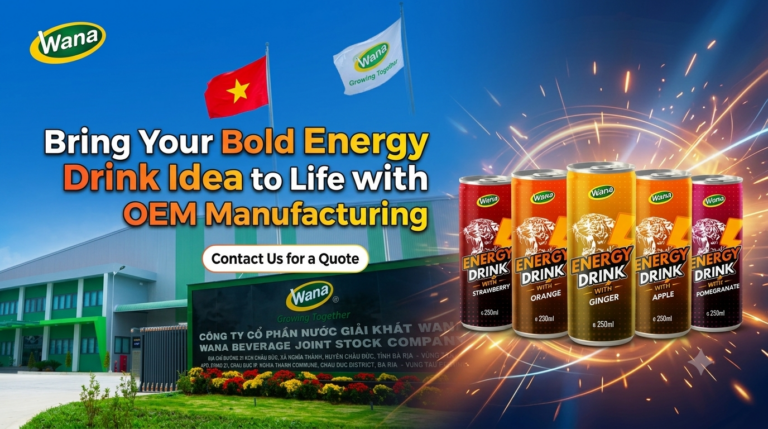
- Infrastructure: 5 state-of-the-art facilities with over 15+ advanced production lines.
- High-Volume Output: Capacity of up to 600 containers per month ensures on-time delivery.
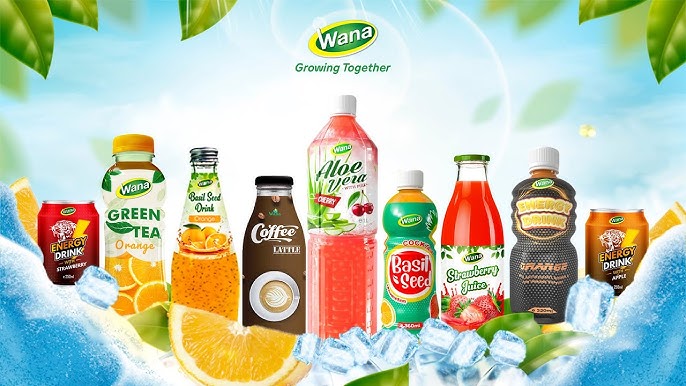
- Packaging Options: 15+ formats available, including sleek aluminum cans, PET, and glass bottles.
- Our Workflow: [Idea] ➔ [Custom Formula] ➔ [Compliant Packaging] ➔ [Scale Production] ➔ [Global Export]
Strategic Vietnam Sourcing & Cost Efficiency
Manufacturing with Wana Beverage unlocks major macroeconomic cost-drivers to protect your profit margins:
- Localized Sourcing: Direct access to Vietnam’s rich agricultural supply (tropical fruits, coconut water, coffee, and tea) lowers raw material overhead.
- Logistical Edge: Factory proximity to major deep-water seaports reduces inland freight costs.
- Optimized COGS: Competitive labor and scaled operations translate to lower per-unit costs.
Diverse Product Portfolio: Core to Trend-Led
Our agile R&D team allows brands to rapidly launch line extensions across high-volume staples and functional beverage trends:
Core Categories: Pure Coconut Water, Fresh Fruit Juices, Aloe Vera Drinks, RTD Teas, Coffee, and Energy Drinks.
Functional & Wellness: Kombucha, Prebiotic Sodas, Collagen-infused drinks, Protein Shakes, and Sea Moss beverages.
Gen-Z Trends: Popping Boba drinks and innovative “Dirty Sodas”.
Flexible Commercial Models & Prototyping
- Tailored Branding: Full support for OEM, ODM, Private Label, and White Label programs.
- Ingredient Precision: Custom engineering for specific flavor profiles, brix/sugar levels, and alternative sweeteners.
- Rigorous Sampling: Rapid prototype development with comprehensive lab specs (microbiology, stability tests) before mass production.
Contact us today to request a sample kit or review our factory audit reports.
If you want to build your own beverage brand OEM-style, the winning formula is a tight concept, a compliant and manufacturable product, strong beverage label design, smart eco-friendly packaging options, disciplined small batch beverage production, and a realistic wholesale beverage distribution plan. Start small, validate demand, document your quality expectations, and choose an OEM partner that can grow with you. With the right foundation, you can launch confidently and scale into larger channels without losing consistency or credibility.