Sugar-Free Energy Drink Manufacturing Options
When launching a sugar-free energy drink, brands can choose from different manufacturing models depending on their product concept, target market, budget, and level of customization. Private label production can be suitable for brands looking for a faster route to market, while custom OEM manufacturing offers greater control over the formula, flavor profile, packaging, and product specifications.
Before choosing a sugar-free energy drink manufacturer, buyers should clearly define which product elements they want to customize and which requirements the manufacturer needs to support.
Private Label Energy Drinks and Custom OEM Formulas
Private label and custom OEM manufacturing offer two different approaches to developing a sugar-free energy drink.
With a private label energy drink, the manufacturer may provide an existing formula or product base that can be produced under the buyer’s brand. This approach can reduce development time and may be suitable for brands that want to enter the market with a proven product concept.
With custom OEM manufacturing, the brand works with the manufacturer to develop a product based on specific requirements. These may include sweetness level, caffeine content, flavor profile, functional ingredients, color, mouthfeel, packaging format, and target-market requirements.
For brands targeting a specific consumer group or market, custom OEM development can provide more flexibility. However, a customized formula may require additional sample development, testing, and approval before commercial production.
The right manufacturing model depends on how much control the buyer needs over the final product and how quickly the brand plans to launch
Zero-Sugar Energy Drink Formulation: Sweeteners, Flavors and Caffeine
Developing a zero-sugar energy drink involves more than simply removing sugar from a conventional energy drink formula. Sugar contributes sweetness, body, and mouthfeel, so replacing it requires careful formulation to achieve the desired taste and overall drinking experience.
A manufacturer may work with different permitted sweetener systems depending on the target market and product requirements. The choice of sweetener can affect sweetness intensity, aftertaste, flavor balance, and formulation stability.
Flavor development is another important consideration. Citrus, berry, tropical fruit, apple, grape, and watermelon are examples of flavor directions that can be explored, but the final flavor profile should be developed around the target consumer and market.
Caffeine levels and other functional ingredients also need to be considered during formulation. Requirements can vary between markets, so the final formula should be reviewed against the applicable regulations and labeling requirements before production.
For B2B buyers, the formulation stage should therefore cover more than taste. It should establish clear product specifications that can be consistently reproduced during commercial production.
Energy Drink Canning, Packaging and Label Customization
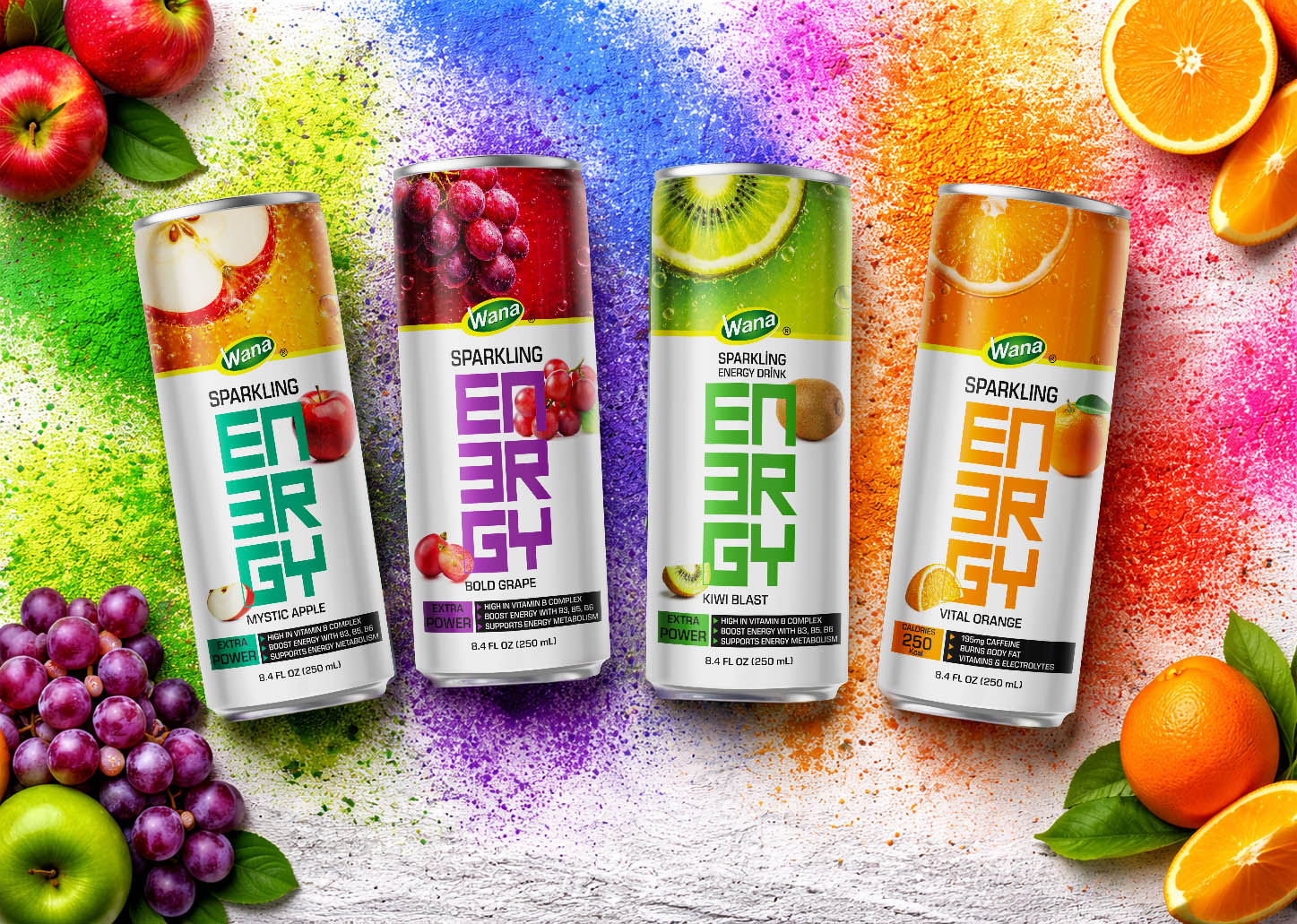
Packaging is another key decision when working with a sugar-free energy drink manufacturer. For many energy drink brands, cans are selected because they are convenient for on-the-go consumption and provide a large printable surface for branding.
Depending on the manufacturer’s capabilities, buyers may be able to customize elements such as:
- Can size and format
- Can artwork and design
- Label or printed packaging
- Product colors and visual identity
- Secondary packaging
- Cartons, trays, or shrink-wrap configurations
- Case packing and palletization
Packaging decisions should be made alongside the product formulation rather than at the end of the development process. Can format, artwork specifications, packaging materials, and production requirements can affect MOQ, production scheduling, cost, and lead time.
Before confirming a manufacturing partner, buyers should also clarify which packaging formats the manufacturer can support and whether packaging components need to meet specific requirements in the destination market.
Product Customization Checklist for B2B Buyers
| Product Element | Customization Options | What Buyers Need to Confirm |
| Formula | Existing formula or custom OEM formulation | Development capability, formula specifications, and approval process |
| Sweetener | Different permitted sweetener systems | Target-market requirements, sweetness level, and aftertaste |
| Caffeine | Different caffeine levels depending on formulation | Applicable regulations, dosage, and labeling requirements |
| Flavor | Citrus, berry, tropical, fruit, and other profiles | Flavor development, sample approval, and consistency |
| Functional Ingredients | Vitamins, electrolytes, taurine, or other permitted ingredients | Ingredient compatibility and target-market compliance |
| Can Format | Different can sizes and formats | Available formats, MOQ, and production compatibility |
| Artwork | Custom brand artwork and visual identity | Artwork specifications, printing method, and approval process |
| Secondary Packaging | Trays, cartons, shrink wrap, etc. | Case configuration, MOQ, and shipping requirements |
| Label & Compliance | Market-specific product information | Required declarations, language, and regulatory review |
The more elements a brand wants to customize, the more important it becomes to work with a manufacturer that can coordinate product development, packaging, quality control, and commercial production under one manufacturing process. For this reason, buyers should evaluate not only the product itself but also the manufacturer’s ability to move the project from initial brief and samples to an approved, production-ready specification.
WANA’s Sugar-Free Energy Drink Production Capabilities
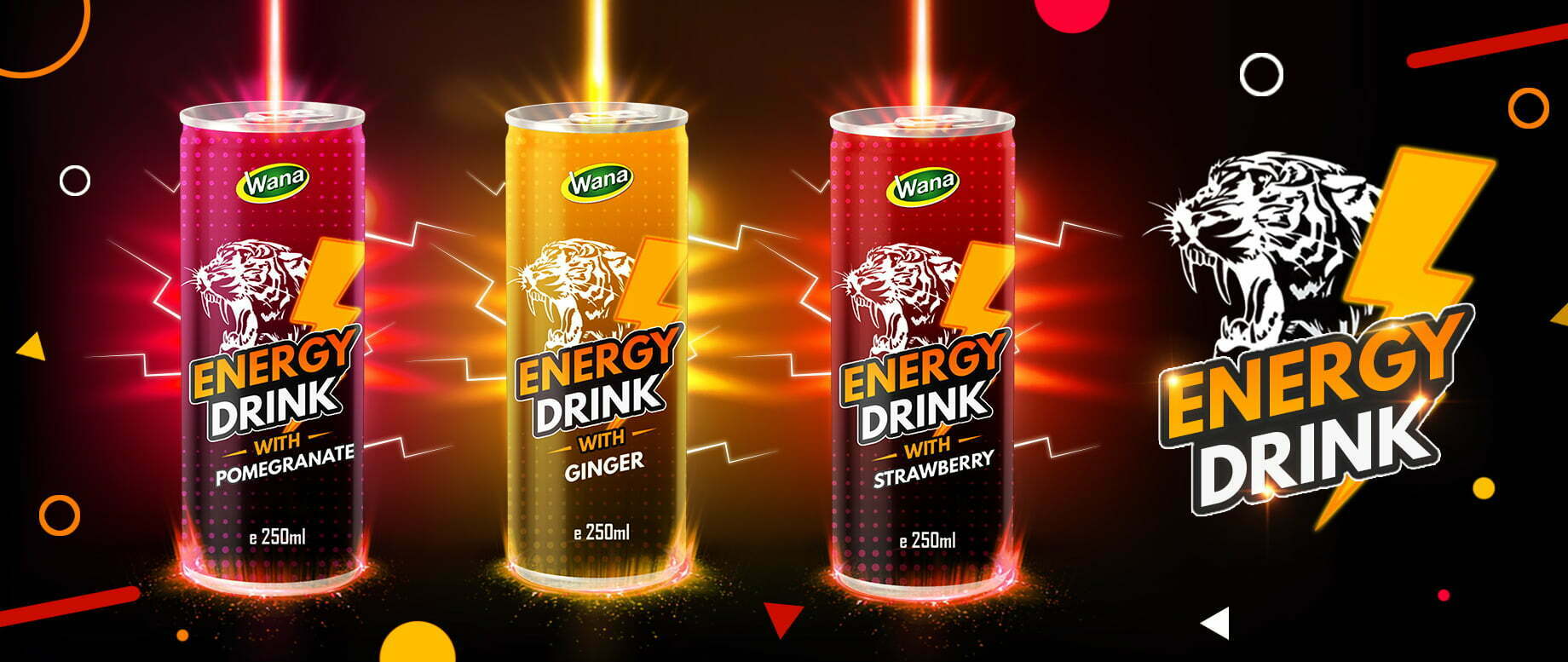
WANA Beverage provides OEM, ODM, and private label beverage manufacturing for brands looking to develop and scale new beverage products. Our production capabilities cover product development, formulation, filling, packaging, quality control, and finished-product handling.
Production Facilities, Quality Control and Traceability
WANA operates modern beverage production facilities in Southern Vietnam, with processes designed to support different beverage categories and production volumes.
Quality is monitored throughout the manufacturing process, from raw material preparation and formulation to filling, packaging, and finished-product inspection. Production and batch records also support product traceability and quality management.
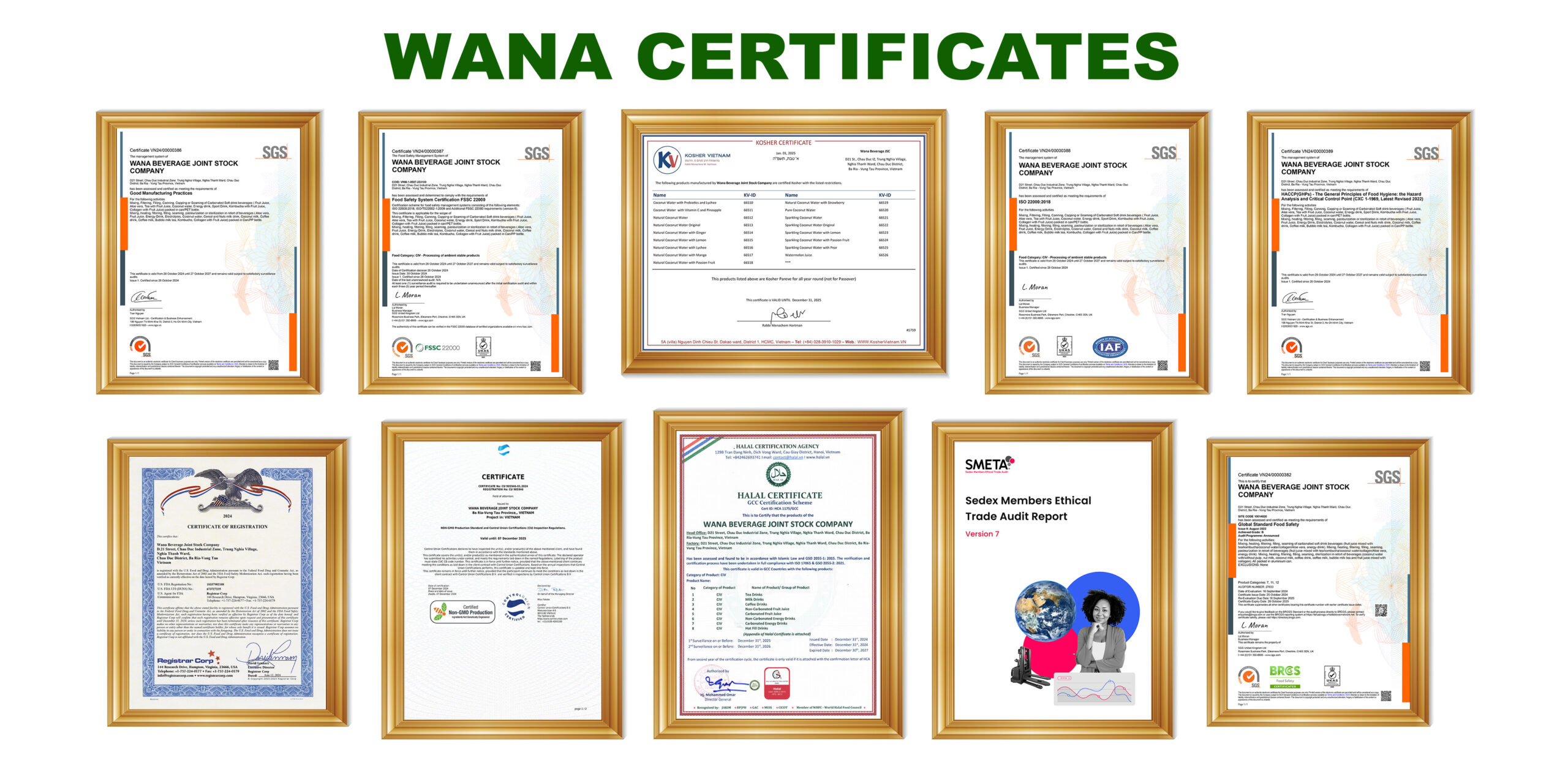
WANA’s manufacturing operations are supported by food safety and quality standards including HACCP, GMP, BRC, and HALAL, with applicable requirements depending on the product and production facility.
Product Examples and Manufacturing Evidence
WANA’s beverage portfolio includes energy drinks, sparkling beverages, fruit juices, coconut water, prebiotic drinks, protein beverages, and other functional drinks.
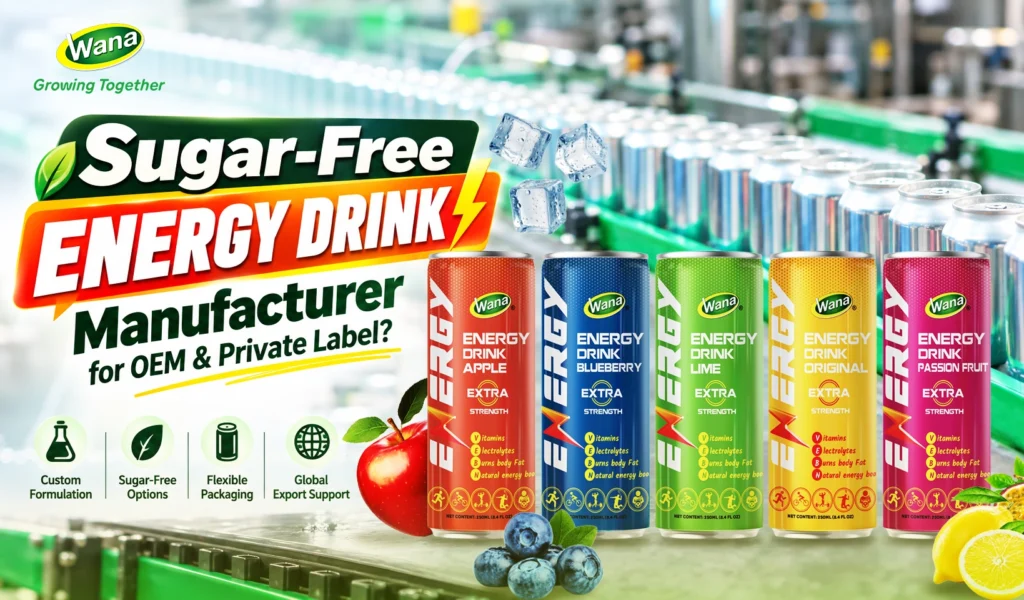
For energy drink projects, buyers can explore different options for formulation, flavors, can formats, packaging, and private label customization based on their target market and product requirements.
For international buyers, we can also discuss the documentation, quality requirements, packaging specifications, and production conditions needed for the destination market.
Discuss Your Manufacturing Requirements
Have a sugar-free energy drink concept in mind? Discuss your manufacturing requirements with WANA Beverage and explore the right formulation, packaging, and production solution for your brand.
Private Label Energy Drink MOQ, Costs and Lead Times
MOQ, manufacturing costs, and lead times for a private label energy drink can vary from one project to another. The final requirements depend on the formula, number of flavors, packaging format, customization level, and production volume.
MOQ per Formula, Flavor and Packaging Format
For private label and OEM energy drinks, MOQ is usually determined based on the formula, flavor, packaging format, and packaging materials. A project with multiple flavors or customized packaging may require different production quantities for each SKU.
| Item | Indicative Range or Conditions | What Affects It |
| MOQ | Confirmed based on the project and production format | Formula, flavor, can size, packaging, and order volume |
| Number of Flavors | Each flavor may require a separate production quantity | Formula complexity and production scheduling |
| Packaging | Standard or customized packaging options | Can format, artwork, printing method, and packaging materials |
| Production Volume | Larger orders can be planned according to production capacity | Forecast demand, SKU quantity, and production schedule |
| Manufacturing Cost | Quoted individually for each project | Ingredients, formulation, packaging, testing, MOQ, and production volume |
For this reason, buyers should provide their expected order quantity, target flavors, packaging format, and destination market when requesting a quotation.
Sample Development and Commercial Production Timelines
The timeline usually includes sample development, evaluation, formula approval, packaging preparation, production scheduling, and commercial manufacturing.
| Stage | Indicative Condition | What Affects It |
| Sample Development | Depends on formulation requirements | Formula complexity, ingredients, and number of revisions |
| Sample Evaluation | Buyer reviews taste and product specifications | Feedback and requested adjustments |
| Formula & Artwork Approval | Required before commercial production | Final specifications, packaging artwork, and market requirements |
| Commercial Production | Scheduled after all requirements are confirmed | Production volume, packaging availability, and factory schedule |
| Quality Release & Shipment | Completed after production and QC | Testing, documentation, and destination-market requirements |
A clear product brief at the beginning can help reduce unnecessary revisions and make the development and production process more efficient. For an accurate MOQ, cost, and lead-time estimate, buyers should provide their formula or product concept, flavor requirements, packaging format, target quantity, and destination market.
From Energy Drink Brief to Commercial Production
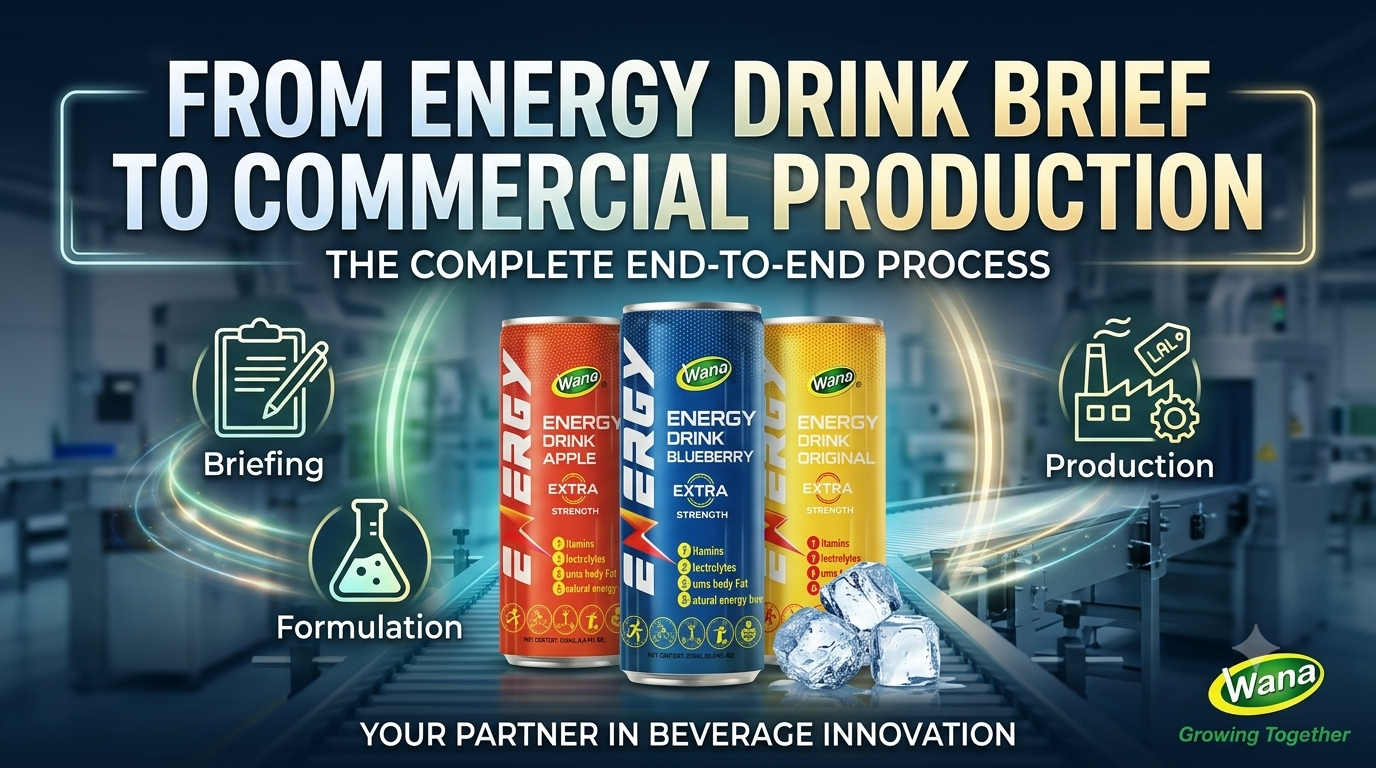
Launching a private label or OEM energy drink typically involves several stages, from defining the initial product requirements to commercial production and shipment. A clear process helps both the brand and manufacturer align on product specifications, quality expectations, and production requirements.
Submit Your Product Brief
Start by sharing your target market, product concept, desired formula, flavor, packaging format, and estimated order volume. The more details provided at this stage, the easier it is for the manufacturer to assess the project and recommend suitable options.
Develop and Evaluate Samples
The manufacturer develops samples based on the agreed product brief. Buyers can evaluate the taste, sweetness, aftertaste, mouthfeel, and other target specifications, then provide feedback for further adjustments if needed.
Approve Formula, Specifications and Artwork
Once the product meets the agreed requirements, the buyer approves the final formula, product specifications, packaging details, and artwork. These approved specifications become the basis for commercial production.
Confirm the Order and Production Schedule
The buyer and manufacturer then confirm the order quantity, commercial terms, packaging materials, and production schedule. Production can be planned once the required materials and specifications are confirmed.
Complete Production, Quality Release and Shipment
The manufacturer completes commercial production and conducts the required quality checks and final inspection. After the products are approved for release, the agreed documentation is prepared and the finished goods are arranged for shipment
Sugar-Free Energy Drink Manufacturing FAQs
What Is the MOQ for a Private Label Sugar-Free Energy Drink?
MOQ depends on factors such as the formula, number of flavors, can size, packaging format, and production requirements. Buyers should provide their target quantity and packaging specifications to receive a project-specific MOQ.
How Much Does It Cost to Manufacture a Sugar-Free Energy Drink?
There is no single fixed cost. Pricing can vary based on ingredients, formulation, packaging, production volume, testing, customization, and other project requirements. A manufacturer can provide a more accurate quotation after reviewing the product brief.
How Long Does It Take to Develop and Produce an Energy Drink?
The typical timeline is 30–45 days, depending on the formula, sample revisions, packaging preparation, material availability, and production schedule. The process generally includes sample development, approval, packaging preparation, commercial production, quality inspection, and shipment.
Can You Manufacture My Formula, and Who Owns a Custom-Developed Formula?
An OEM manufacturer may be able to manufacture an existing formula or develop a new formula based on the buyer’s requirements. Formula ownership, confidentiality, and usage rights should be clearly defined in the commercial agreement before development or production begins.
Can I Request Samples Before Placing a Production Order?
Yes, sample development can generally be arranged before commercial production. Buyers can evaluate the flavor, sweetness, mouthfeel, and other product specifications before approving the final formula.
What Certifications and Documents Are Required for My Target Market?
Requirements depend on the destination country and product specifications. Depending on the market, buyers may need product specifications, ingredient information, certificates, testing documents, labeling information, and applicable food-safety or certification documents. The requirements should be confirmed for the specific destination market before production.
Request a Sugar-Free Energy Drink Manufacturing Quote
Ready to develop your own sugar-free energy drink?
Share your target market, product concept, flavor, packaging format, estimated order quantity, and any existing formula or specifications with WANA Beverage. Our team can review your requirements and discuss suitable OEM or private label manufacturing options.