The beverage industry is evolving as consumers look for more than refreshment in their everyday drinks. Alongside traditional soft drinks and juices, functional beverages are gaining attention for offering added benefits such as energy, hydration, digestive support, and improved overall wellness.
This shift is creating new opportunities for beverage brands to develop products that respond to specific consumer needs and lifestyle preferences. From protein-enriched drinks to electrolyte beverages and low-sugar formulations, functional beverages are expanding into different product categories and consumption occasions.
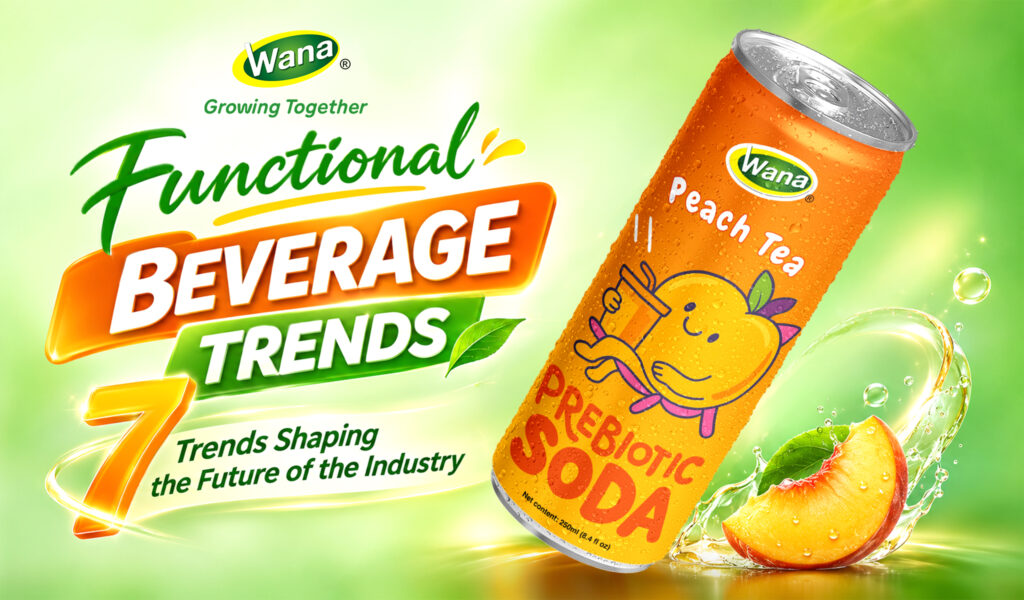
For brands planning to enter this market or expand their existing portfolios, understanding emerging trends is essential. Here are seven functional beverage trends shaping product innovation and creating new opportunities across the industry.
Growing Demand for Functional Beverages
Consumer expectations are changing, with health and wellness becoming increasingly important factors in beverage purchasing decisions. Rather than choosing drinks solely for taste or convenience, many consumers are paying closer attention to ingredients, nutritional value, and the benefits a product can offer.
Recent research highlights this shift. According to EY’s 2026 Consumer Beverage Survey, which covered more than 2,500 consumers in the United States and Brazil, 52% of surveyed US consumers said they were willing to pay more for beverages that support their health and wellness goals. The EY Consumer Beverage Survey (2026) also found that 58% of US consumers pay attention to the ingredients in the drinks they purchase.
Convenience is another factor supporting demand. Ready-to-drink formats allow consumers to incorporate specific nutritional or functional benefits into daily routines without preparing supplements or specialized drinks themselves. At the same time, active lifestyles and growing interest in areas such as gut health, energy, hydration, and protein intake are creating demand for more targeted beverage options.
For beverage brands, these changing preferences represent an opportunity to explore new ingredients, formulations, and product formats. However, success depends on more than adding functional ingredients to a drink. Products must also deliver appealing taste, clear value, and benefits that align with consumer expectations.
7 Key Functional Beverage Trends
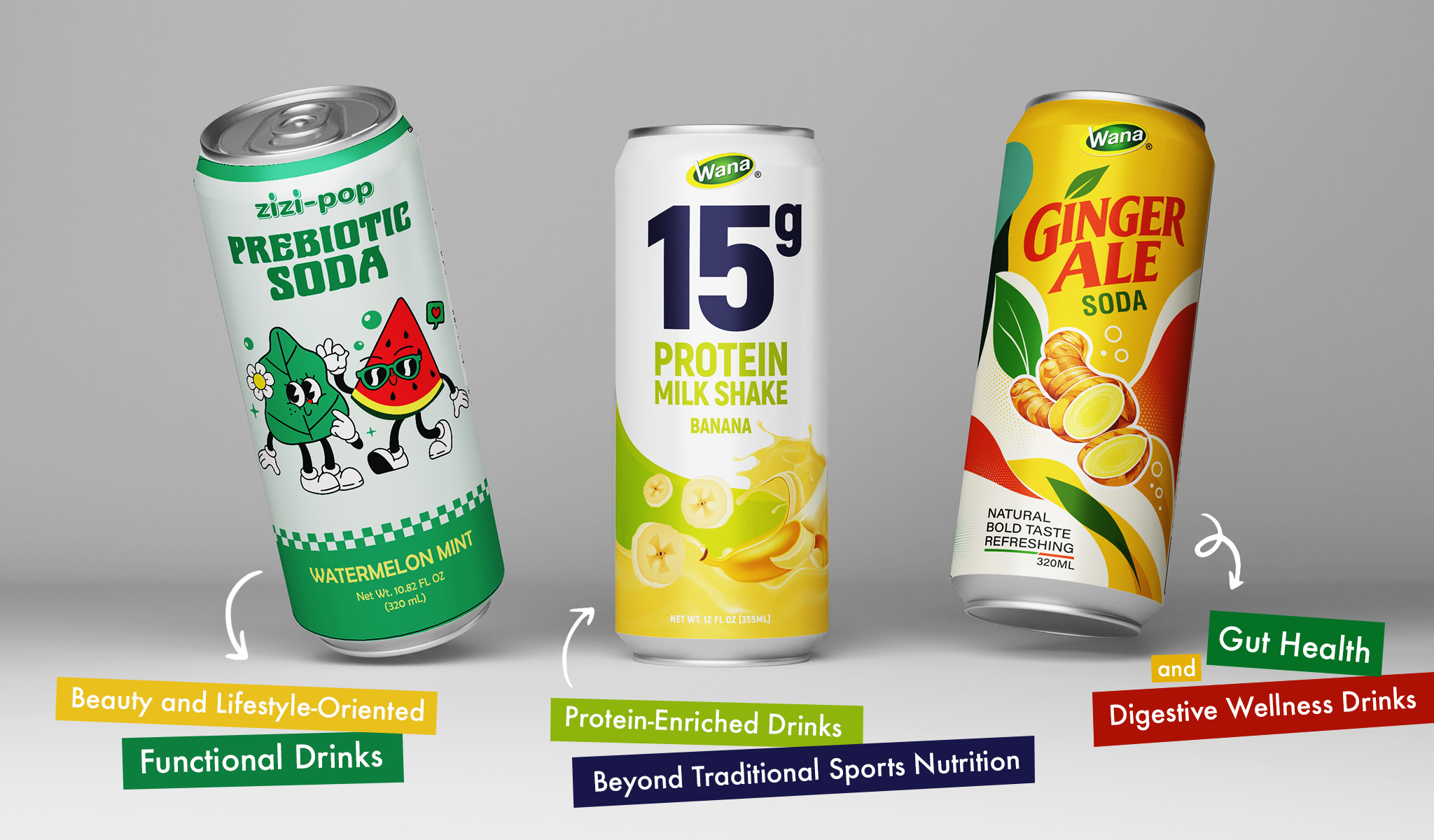
Protein-Enriched Drinks Beyond Traditional Sports Nutrition
Protein-enriched beverages are moving beyond traditional sports nutrition and becoming part of everyday consumption. While protein shakes were once mainly associated with athletes and gym-goers, more consumers are exploring convenient ways to increase their daily protein intake. This shift is creating opportunities for ready-to-drink products that combine nutritional value with convenience and appealing flavors.
Product innovation is also expanding beyond conventional dairy-based shakes. Plant-based protein drinks, clear protein beverages, and protein water offer different textures and consumption experiences. These formats can appeal to consumers looking for lighter alternatives to thick, traditional protein shakes.
For beverage brands, the opportunity lies in developing protein drinks for different occasions, from post-workout refreshment to everyday nutrition. Taste, protein content, ingredient selection, and drinkability are key factors to consider when creating a competitive product.
Gut Health and Digestive Wellness Drinks
Gut health is becoming an important consideration in consumer wellness choices, creating demand for beverages formulated with ingredients associated with digestive health. Rather than focusing only on general refreshment, these drinks are designed to provide additional functional value through ingredients such as probiotics, prebiotics, and dietary fiber.
This trend is encouraging brands to explore new product formats, including probiotic drinks, fermented beverages, fiber-enriched juices, and other digestive wellness formulations. Consumers are also showing interest in products that can fit easily into their daily routines, making ready-to-drink options particularly relevant.
For beverage brands, gut health offers opportunities to develop products for a clearly defined consumer need. However, ingredient stability, processing conditions, and formulation compatibility require careful consideration. Live probiotic cultures, for example, may have specific processing and storage requirements that differ from those of other functional ingredients.
Functional Hydration with Electrolytes
Hydration is evolving beyond simply drinking water. Consumers, particularly those with active lifestyles, are increasingly interested in beverages that help replenish fluids and electrolytes. This has expanded the role of sports drinks and hydration products beyond professional athletes to include everyday consumers, fitness enthusiasts, and people looking for convenient hydration options.
Electrolytes such as sodium, potassium, and magnesium are commonly used in functional hydration formulations. Brands are also exploring different flavor profiles, lower-sugar recipes, and ready-to-drink formats to make these beverages suitable for more consumption occasions.
For beverage brands, functional hydration presents an opportunity to create products positioned between traditional bottled water and conventional sports drinks. The key is to develop a balanced formulation that considers electrolyte levels, taste, sugar content, and the intended consumer group.
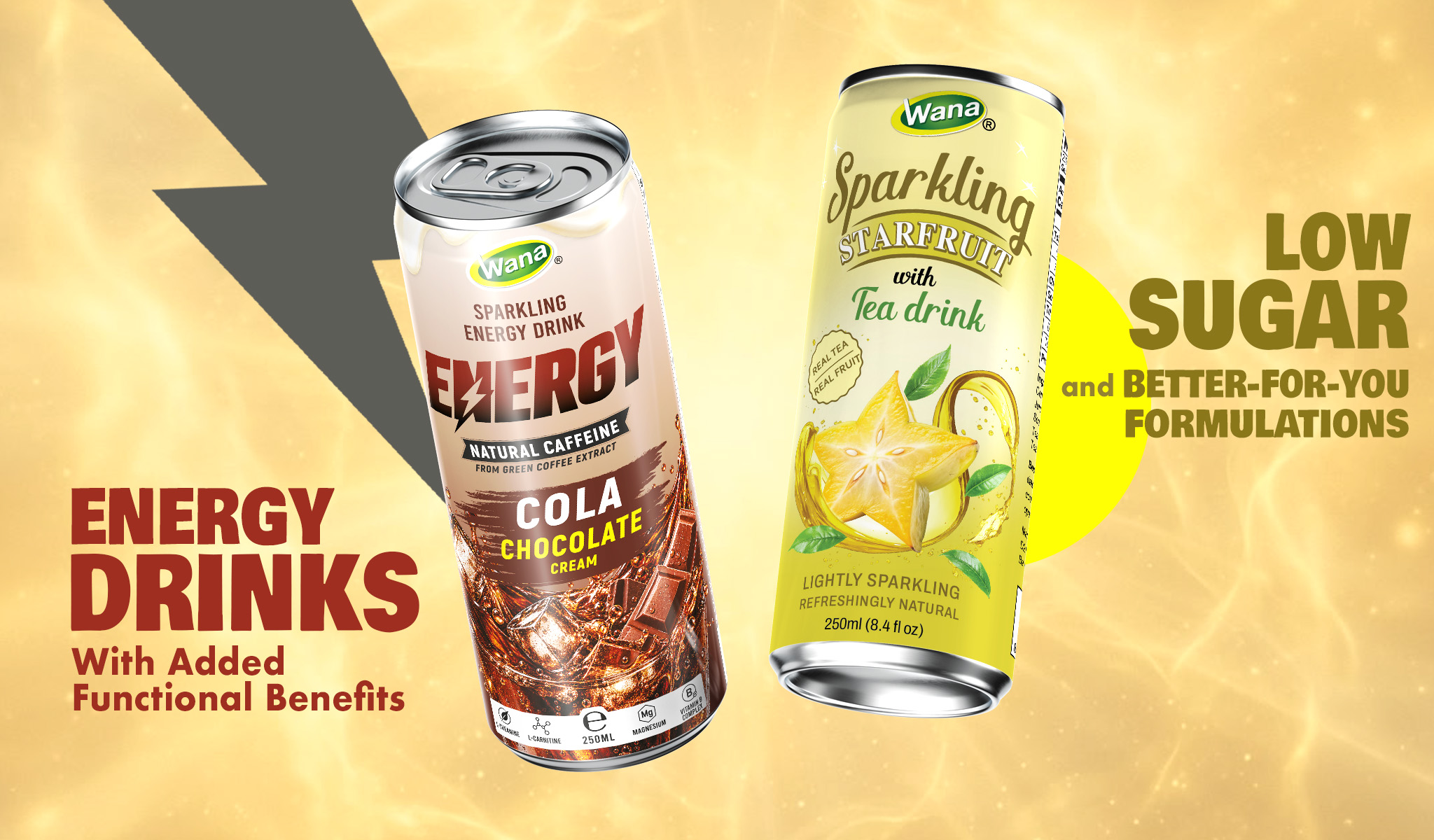
Energy Drinks with Added Functional Benefits
Energy drinks are expanding beyond their traditional positioning around stimulation and alertness. As consumers look for more targeted benefits, brands are exploring formulations that combine energy-related ingredients with additional functional components.
Common ingredients in this category include caffeine, B vitamins, amino acids, and other ingredients selected for specific product concepts. Some products focus on mental alertness and concentration, while others target active lifestyles or provide alternatives to conventional high-sugar energy drinks. This creates room for more differentiated products within an increasingly competitive category.
For beverage brands, the opportunity is to define a clear product positioning rather than simply adding more ingredients. A successful formulation should align its ingredient combination with the intended benefit, while maintaining an appealing flavor, appropriate caffeine levels, and a clear message for consumers.
Low-Sugar and Better-for-You Formulations
Sugar content is becoming an important factor in beverage purchasing decisions. As consumers pay closer attention to nutrition labels and calorie intake, brands are under growing pressure to offer products that balance taste with nutritional considerations.
This shift is influencing product development across several beverage categories, including juices, energy drinks, sparkling beverages, and functional drinks. Formulation approaches may include reducing added sugar, adjusting sweetness levels, or exploring alternative sweetening ingredients. However, reducing sugar is not simply a matter of removing sweetness. Brands must also consider flavor balance, mouthfeel, ingredient interactions, and overall product acceptance.
For beverage brands, low-sugar formulations can help create products that respond to changing consumer preferences. The challenge is to deliver a satisfying drinking experience while meeting the desired nutritional profile and product positioning.
Plant-Based and Botanical Functional Ingredients
Plant-based ingredients and botanical extracts are gaining attention as beverage brands explore new ways to differentiate their products. Consumers interested in plant-forward lifestyles and recognizable ingredients are encouraging innovation beyond conventional vitamins and minerals.
Depending on the product concept, formulations may incorporate ingredients such as green tea, ginger, turmeric, ginseng, or other botanical extracts. Plant-based proteins and fruit-derived ingredients can also contribute to different functional beverage concepts. These ingredients offer opportunities to create products with distinctive flavor profiles and targeted positioning.
For beverage brands, botanical ingredients can support product differentiation and help establish a recognizable identity. However, ingredient selection should consider taste, solubility, stability, regulatory requirements, and the scientific evidence behind any proposed health-related claims. A compelling product concept needs to work both as a beverage and as a functional formulation.
Beauty and Lifestyle-Oriented Functional Drinks
Functional beverages are also entering the beauty and personal wellness space. This trend reflects growing interest in products that connect everyday nutrition with beauty and self-care routines. Instead of being positioned solely around sports performance or energy, these drinks are designed for consumers interested in beauty-from-within and lifestyle-oriented wellness.
Collagen drinks are one example of this product direction. Brands may also explore formulations containing vitamins, minerals, and other ingredients commonly associated with skin, hair, or general wellness. Ready-to-drink formats make these products convenient to consume as part of daily routines.
For beverage brands, beauty-oriented drinks offer an opportunity to reach consumers beyond traditional functional beverage audiences. Product development should focus on ingredient suitability, formulation stability, taste, and responsible communication. Any beauty or health-related claims should be supported by appropriate evidence and comply with the regulations of the target market.
Summary of Key Functional Beverage Trends
To help you quickly evaluate potential product concepts, here is a breakdown of the leading trends, their key ingredients, and primary consumer needs:
| Functional Trend | Key Functional Ingredients | Target Consumer Need |
| Protein-Enriched | Plant protein, whey isolate, clear protein | Muscle recovery, daily nutrition |
| Gut Health | Probiotics, prebiotics, dietary fiber | Digestive wellness, immunity |
| Functional Hydration | Electrolytes (Na, K, Mg), low sugar | Daily hydration, active lifestyle |
| Functional Energy | Natural caffeine, B-vitamins, adaptogens | Sustained energy, mental focus |
| Low-Sugar / Better-for-You | Stevia, monk fruit, natural juice concentrates | Weight management, low-calorie |
| Botanical & Plant-Based | Green tea, turmeric, ginger, ginseng | Clean label, natural wellness |
| Beauty & Lifestyle | Collagen, biotin, vitamins C & E | Anti-aging, skin & hair health |
What These Functional Beverage Trends Mean for Brands
The growth of functional beverages creates opportunities for brands to enter new product categories and reach consumers with more specific needs. However, following a trend does not automatically guarantee product success. Brands need to understand their target audience and identify a clear reason for consumers to choose their products.
Before developing a new functional beverage, consider several key factors:
- Target consumers: Identify who the product is designed for, such as fitness enthusiasts, health-conscious consumers, or people seeking convenient daily nutrition.
- Product positioning: Define the primary benefit and how the beverage will stand out from existing products.
- Ingredient selection: Choose ingredients that support the product concept while considering taste, stability, sourcing, and regulatory requirements.
- Formulation and packaging: Evaluate the most suitable beverage format, flavor profile, nutritional composition, and packaging size.
- Market feasibility: Assess production costs, target pricing, MOQ, and expected demand before moving into large-scale manufacturing.
A well-developed functional beverage should combine a relevant consumer benefit with an appealing taste, practical format, and commercially viable production plan.
Developing Your Functional Beverage with an OEM Manufacturer
Turning a functional beverage concept into a market-ready product requires more than selecting trending ingredients. Brands need to consider formulation development, ingredient compatibility, processing requirements, packaging options, and production scale.
Working with an experienced OEM beverage manufacturer can help brands navigate these stages, from evaluating a product concept to preparing for commercial production. It is important to discuss the intended beverage category, target market, desired ingredients, packaging format, and expected order volume early in the process.
At WANA Beverage, we support beverage brands, distributors, and businesses exploring OEM/ODM and private label manufacturing opportunities. Whether you are developing a protein drink, functional hydration beverage, juice, or another beverage concept, our team can discuss your project requirements and potential manufacturing solutions.
Ready to develop your own functional beverage? Discuss your beverage project with WANA Beverage.
Frequently Asked Questions
What are the most popular functional beverage trends?
Some notable trends include protein-enriched drinks, gut health beverages, electrolyte hydration drinks, functional energy drinks, low-sugar formulations, plant-based ingredients, and beauty-oriented beverages.
What ingredients are commonly used in functional beverages?
Common ingredients include protein, electrolytes, probiotics, prebiotics, dietary fiber, vitamins, minerals, botanical extracts, and collagen. The appropriate ingredients depend on the product concept and intended benefits.
Are functional beverages becoming more popular?
Consumer interest in health, wellness, and convenient nutrition is creating opportunities for functional beverages. Demand varies by market and product category, but the segment continues to attract attention from beverage brands and manufacturers.
How can brands develop their own functional beverages?
Brands should first define their target consumers, product benefits, and desired formulation. They can then work with an OEM beverage manufacturer to evaluate ingredients, flavor, packaging, production requirements, MOQ, and commercial feasibility.
Read more: Functional Beverage Manufacturer for OEM & Private Label