The year 2026 marks a major turning point in beverage consumer trends, as drinkers move beyond simple hydration toward holistic health and ethical values. This guide explores the core drivers reshaping the market and how a private label beverage supplier can help you lead.
1. The New Consumer Persona: Health-Conscious & Value-Driven
The profile of the modern “Conscious Buyer” has shifted. They prioritize products that support total wellness and offer transparent sourcing. This shift is compelling manufacturers to move from “mass production” to “purpose-driven production”, requiring a flexible beverage manufacturer with strong R&D capabilities.
The following data highlights the clear shift from carbonated soft drinks to healthier beverage alternatives between 2020 and 2026.
| Metric | Carbonated Soft Drinks (Soda) | Juice & Healthy Beverage |
| Maket size | ~$139.8 billion (2026) | ~$121.9 billion (2025) |
| Growth rate (CAGR) | ~ 2.6% (carbonated segment) | ~5.6% (juice market) |
| Market share | ~44% share | ~26% share |
| Consumption Trend | 40.6 gallons per Capita (U.S. 2023), declining | 35.87 billion liters Globally (2025), stable growth |
| Health Perception | 59% of consumers reducing soda intake due to health concerns | Juice perceived as “natural & nutritious” |
| Sugar Impact | Sugar consumption declining (EU -6.7%, US -4.4%) | Shift toward low-sugar, natural formulations |
| Category Growth | ~+1–2% growth in mature markets | ~+2.1% volume, +6.9% value growth (UK 2024) |
The data shows a clear shift in the beverage industry, with slow-growing carbonated drinks giving way to faster-growing, health-focused options. As demand for wellness, low-sugar, and functional benefits rises, brands are moving toward more innovative and purpose-driven products.
2. What are top 5 defining beverage consumer trends for 2026?
2.1 Functional wellness: The “Beverage as Medicine” shift
Drinks have become “liquid supplements” for busy lifestyles. Key sub-trends include:
- Nootropics & Mental Clarity: Using ingredients like L-theanine or Reishi mushroom to boost focus.
- Gut Health: An explosion in juices fortified with Probiotics and Prebiotics.
- Relaxation: Utilizing adaptogens like Ashwagandha to lower cortisol and support sleep.
2.2 Hyper-Personalization: Tailoring Flavors to Moods
The 2026 consumer wants their drink to reflect their emotional state:
- Mood-Boosting Drinks: Colors and flavors designed to “trigger” joy or relaxation.
- Customizable Nutrition: Adjusting protein, vitamins, or sweetness to personal needs.
- Note: Realizing these requires a partner with advanced R&D Systems.
2.3 Clean label & Ethical consumption
The clean label beverage trend is now a mandatory standard:
- Absolute Transparency: Zero refined sugars or synthetic flavorings.
- Eco-Packaging: High preference for rPET and infinitely recyclable aluminum cans.
- Related: Learn how to overcome challenges in juice manufacturing to meet these standards.
2.4 The “sober curious” movement & Premium non – alcoholic drinks
Young adults are limiting alcohol but desiring sophisticated tasting experiences:
- Sophisticated Mocktails: Complex flavor layers from fruits, herbs, and spices.
- Alcohol Alternatives: Naturally fermented beverages with profiles similar to wine or beer.
2.5 Digital – first discovery: The visual revolution
A drink must be “beautiful” before it is “delicious.” Vibrant natural colors from spirulina, dragon fruit, or matcha are dominating social media, creating powerful viral effects.
3. What truly drives beverage purchase decisions across generations?
Let’s look at the core differences between Gen Z and Millennials:
| Criteria | Generation Z (Gen Z) | Millennials (Gen Y) |
| Top Priority | Sustainability & Uniqueness | Health Efficacy & Convenience |
| Discovery Channel | TikTok, Instagram, KOLs | Facebook, Blogs, Websites |
| Packaging | “Instagrammable” aesthetics | Detailed nutritional info |
Clearly, there’s no one-size-fits-all formula. While Gen Z craves unique experiences that let them show off their personality on social media, Millennials take a more practical approach, prioritizing convenience and long-term health benefits. Understanding these distinct expectations is the key to ensuring your brand doesn’t just sit on the shelf, but truly connects with your customers’ hearts and minds.
4. Future – proof your brand with Wana Beverage’s Innovation Lab
To turn these complex trends into reality, you need a private label beverage supplier that understands the global market.
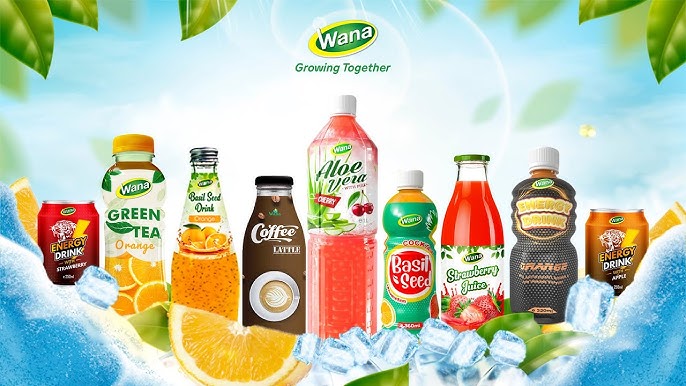
Turning trends into reality: OEM/ODM Energy drinks & Fruit juice
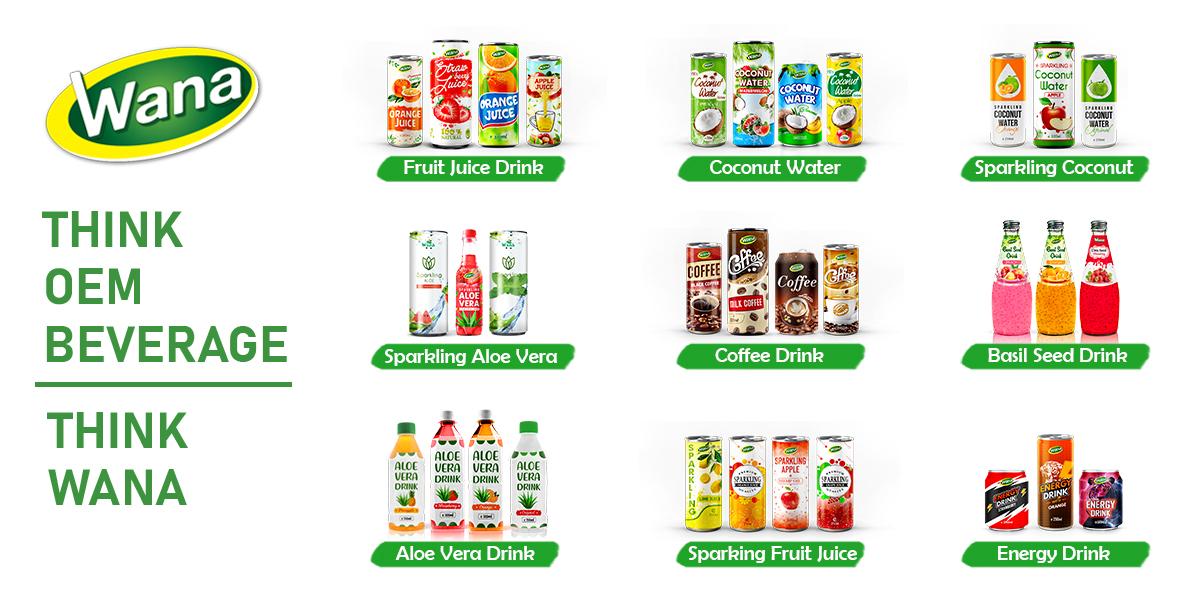
Wana Beverage helps you realize ideas rapidly through:
- Private Label Energy Drinks: Developing next-gen “Clean Energy” using natural caffeine from green tea or ginseng.
Expert Fruit Juice Manufacturer: Utilizing HPP technology to preserve Vietnam’s tropical fruits, meeting the clean label beverage trend.
5. FAQ: Frequently asked questions about Beverage Trends
- Which flavor trends will dominate in 2026? The fusion of tropical fruits (yuzu, mangosteen) with aromatic herbs (mint, basil).
- How to optimize costs for Clean Label products? Partner with a large-scale OEM/ODM Energy Drink supplier to leverage raw material sourcing.
- Why choose OEM/ODM for functional drinks? It provides immediate access to technologies like Probiotic infusion without heavy factory investment.
6. Conclusion: Staying Ahead in a Fast-Moving Market
The 2026 market leaves no room for delay. Whether you are looking for a fruit juice manufacturer or a private label energy drinks partner, Wana Beverage is ready to help you break through.