As European buyers continue to diversify their supply chains beyond traditional manufacturing markets, Vietnam is emerging as a strong sourcing destination for beverage production. With EVFTA reducing import tariffs and improving market access, more global brands are now looking at Vietnam not only as a cost-effective manufacturing hub, but also as a long-term export partner.
For businesses in the food and beverage industry, understanding the impact of EVFTA Beverage Vietnam EU Export is becoming increasingly important. Beyond tariff advantages, the agreement also pushes manufacturers to improve product quality, production standards, and export capabilities to meet European expectations.
In this article, we will explore the opportunities, challenges, and long-term potential of beverage exports from Vietnam to the EU under EVFTA.
What Is EVFTA Beverage Vietnam EU Export?
EVFTA (EU-Vietnam Free Trade Agreement) is a trade agreement between Vietnam and the European Union designed to strengthen economic cooperation and reduce trade barriers between both sides.
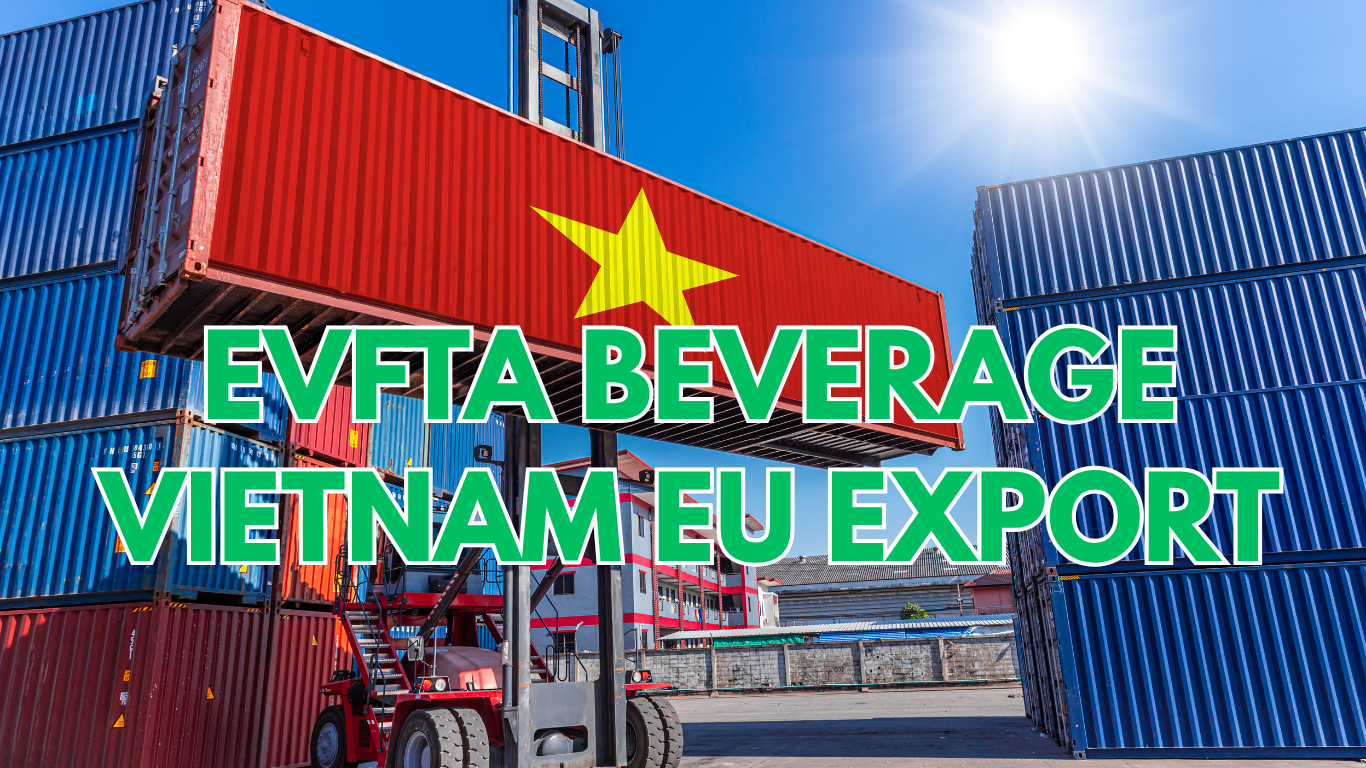
For the beverage industry, EVFTA Beverage Vietnam EU Export refers to the growing export activities of Vietnamese beverage manufacturers entering the European market under EVFTA advantages, particularly lower import tariffs and easier market access.
The agreement creates favorable conditions for Vietnamese beverage companies to expand internationally while improving their competitiveness in the global market.
Beverage Products Exported from Vietnam to the EU
Vietnam has strong potential in agricultural resources and beverage manufacturing. As a result, many beverage categories are gaining popularity in Europe, including:
- Fruit juice
- Coconut water
- Sparkling beverages
- Aloe vera drinks
- Coffee beverages
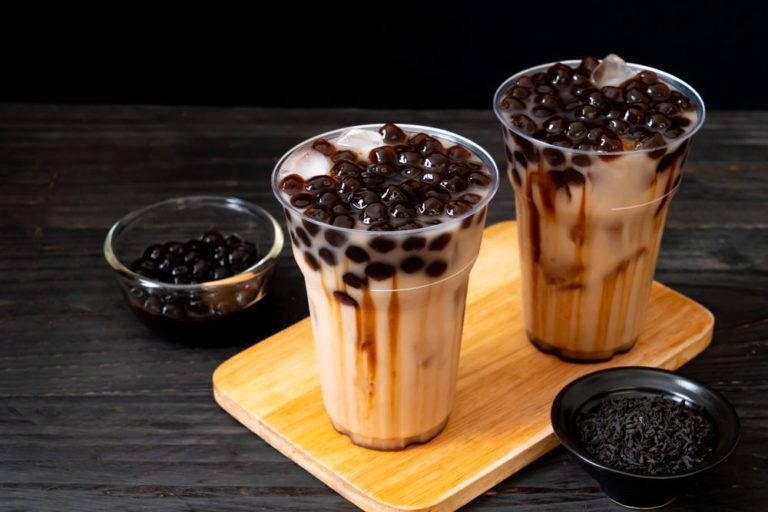
- Tea-based drinks
- Functional beverages
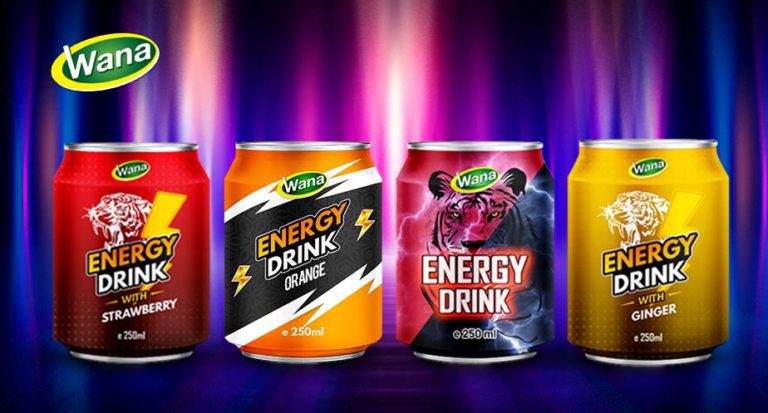
- Energy drinks
Products made from tropical ingredients such as mango, pineapple, passion fruit, coconut, and dragon fruit are especially attractive to European consumers due to their unique flavors and natural positioning.
The growing demand for healthier and functional beverages in Europe also creates new opportunities for Vietnamese beverage manufacturers.
EU Product Standards for Beverage Export
While EVFTA opens the door to the European market, exporting beverages to the EU still requires strict compliance with international standards.
European buyers often focus on:
- Food safety compliance
- Ingredient transparency
- Sustainable sourcing
- Packaging regulations
- Traceability systems
- Manufacturing consistency
Factories exporting to Europe typically need certifications such as:
- HACCP
- ISO
- FDA registration
- GMP compliance
In addition, products must comply with EU labeling requirements, nutritional declarations, and regulations regarding additives or preservatives.
For beverage manufacturers, meeting these standards is no longer optional — it is essential for long-term export success.
Benefits of EVFTA Beverage Vietnam EU Export
Lower Tariffs
One of the biggest advantages of EVFTA is lower import taxes for many beverage products exported from Vietnam to Europe.
Vietnamese manufacturers can offer more competitive pricing while improving their position against suppliers from non-EVFTA countries. For global brands, it also creates better opportunities to optimize sourcing costs without compromising product quality.
Access to New Markets
Vietnamese beverage companies are also opening up more Vietnamese-based markets in the European market through EVFTA. The expansion of distribution networks and the opening up of new customer segments are now available to manufacturers.
At the same time, European consumers are becoming more interested in:
- Tropical beverages
- Natural ingredients
- Functional drinks
- Sustainable products
These trends are a perfect match for their strengths in tropical agriculture and innovative beverages. With the growing demand for reliable beverage export manufacturers in Vietnam, European importers and distributors are turning to this market.
Product Development Based on EU Standards
Another major advantage of EVFTA is that it encourages Vietnamese manufacturers to improve product quality and production standards.
To meet in the European market, many companies are investing more in:
- Beverage innovation
- Sustainable packaging
- Clean-label formulations
- Sugar-reduction solutions
- Functional beverage development
These improvements are helping Vietnam’s beverage industry move closer to international standards.
Manufacturers that successfully meet EU requirements often build stronger credibility and gain better opportunities in other global markets as well.
Creating More Jobs and Economic Growth
The expansion of beverage exports also creates a positive economic impact within Vietnam.
As export demand increases, manufacturers require:
- More skilled workers
- Larger production capacity
- Better logistics systems
- Expanded agricultural sourcing
This not only creates more jobs but also contributes to income growth and long-term development for local industries and communities.
Challenges of EVFTA Beverage Vietnam EU Export
Despite the opportunities, entering the European market also comes with several challenges.
Strict EU Regulations
The EU is known for having some of the strictest food and beverage regulations in the world.
Manufacturers must consistently meet requirements related to:
- Food safety
- Ingredient approval
- Packaging sustainability
- Product traceability
- Quality consistency
Even small compliance issues can affect export approvals and brand reputation.
Workforce Skills and Technical Expertise
Modern beverage production requires highly trained workers and technical teams.
Factories must continuously improve:
- Production management
- Quality control systems
- Technical operation
- International compliance knowledge
Without skilled employees, maintaining export standards can become difficult.
International-Standard Manufacturing Facilities
The factories that already operate under international manufacturing systems are more interesting for European buyers. This includes:
- Automated production lines
- Hygienic filling systems
- Advanced laboratory testing
- Strict quality control protocols
So, the factories should invest in modern facilities, which is essential for companies aiming to compete globally.
How WANA Beverage Leverages EVFTA for EU Export
Thanks to EVFTA, WANA Beverage is able to offer more competitive export solutions for global beverage brands. Lower trade barriers and tariff advantages make it easier for Vietnamese manufacturers to access the European market while maintaining competitive pricing.
Combined with modern production systems and international manufacturing standards, EVFTA is strengthening Vietnam’s position as an important beverage manufacturing hub for Europe.
WANA Beverage – Supporting Beverage Export to the EU
As demand for tropical and functional beverages continues to grow across Europe, WANA Beverage helps brands bring products to market faster through flexible OEM, ODM, and private label manufacturing solutions tailored for export markets.
From product development to large-scale production, WANA supports businesses looking to launch innovative beverage products while optimizing both cost and production timelines.
Full OEM / ODM / Private Label Services
WANA Beverage provides end-to-end manufacturing solutions, including:
- Beverage formulation
- Product development
- Packaging solutions
- Mass production
- Export support
This makes the process more efficient for brands that want to develop new beverage concepts in a shorter time while reducing operational and investment costs.
WANA Beverage manufactures a wide range of beverage categories, including:
- Fruit Juice
- Sparkling Drinks
- Coconut Water
- Aloe Vera Drinks
- Coffee Beverages
- Energy Drinks
- Functional Drinks
- Tea Drinks
This production flexibility allows brands to quickly respond to changing consumer trends and market demands.
Feel free to contact us
International Certifications and Standards
WANA Beverage operates with manufacturing systems aligned with international export standards.
The company focuses heavily on:
- Beverage quality control
- Food safety management
- Traceability systems
- Production consistency
These standards help ensure products are ready for international markets, including Europe.
Skilled Workforce and Export Capability
A strong manufacturing system depends not only on machinery but also on experienced people. WANA Beverage continuously invests in workforce training to improve operational efficiency and product quality.
Today, the company exports more than 600 containers monthly, supporting beverage brands across multiple international markets.
This demonstrates both large-scale production capability and strong export experience.
Conclusion
The EVFTA agreement is creating significant opportunities for Vietnam’s beverage industry. Through lower tariffs, expanded market access, and growing global demand, EVFTA Beverage Vietnam EU Export is becoming an important growth driver for manufacturers and international brands alike.
However, success in the EU market requires more than competitive pricing. It demands strong quality control, international-standard manufacturing, skilled teams, and the ability to meet strict European regulations.
For businesses looking to enter or expand in Europe, partnering with an experienced beverage manufacturer can make the process faster and more efficient.
Turn your idea into reality in the EU market with WANA Beverage.