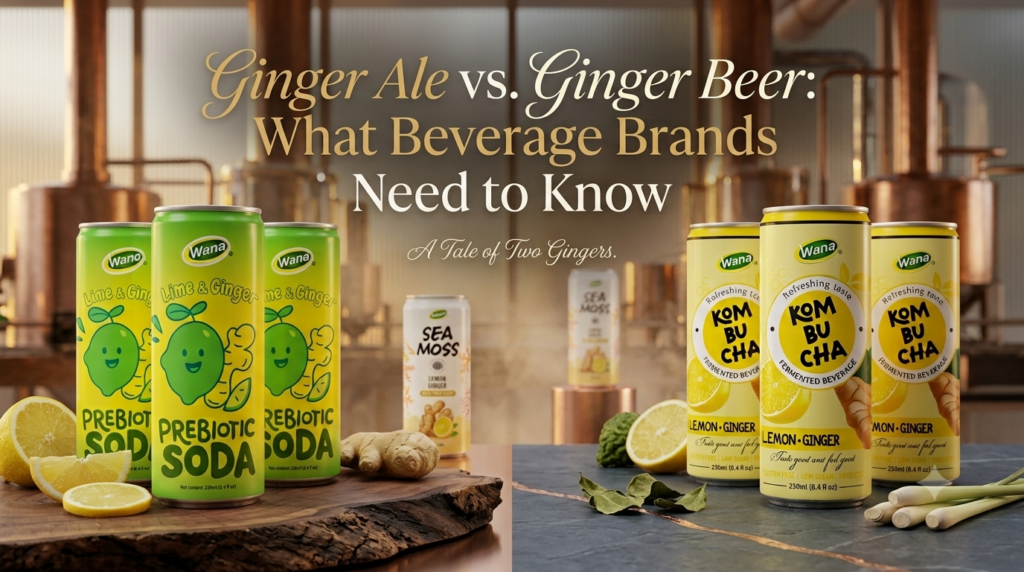
While ginger ale and ginger beer were once considered the same, they evolved into distinct beverages during the 19th and 20th centuries, influenced by various beverage manufacturer. Today, they differ significantly in ingredients, sweetness, and spice levels.
So, which fizzy ginger drink should you stock in your home bar? Here’s a guide to help you understand the differences between the two.
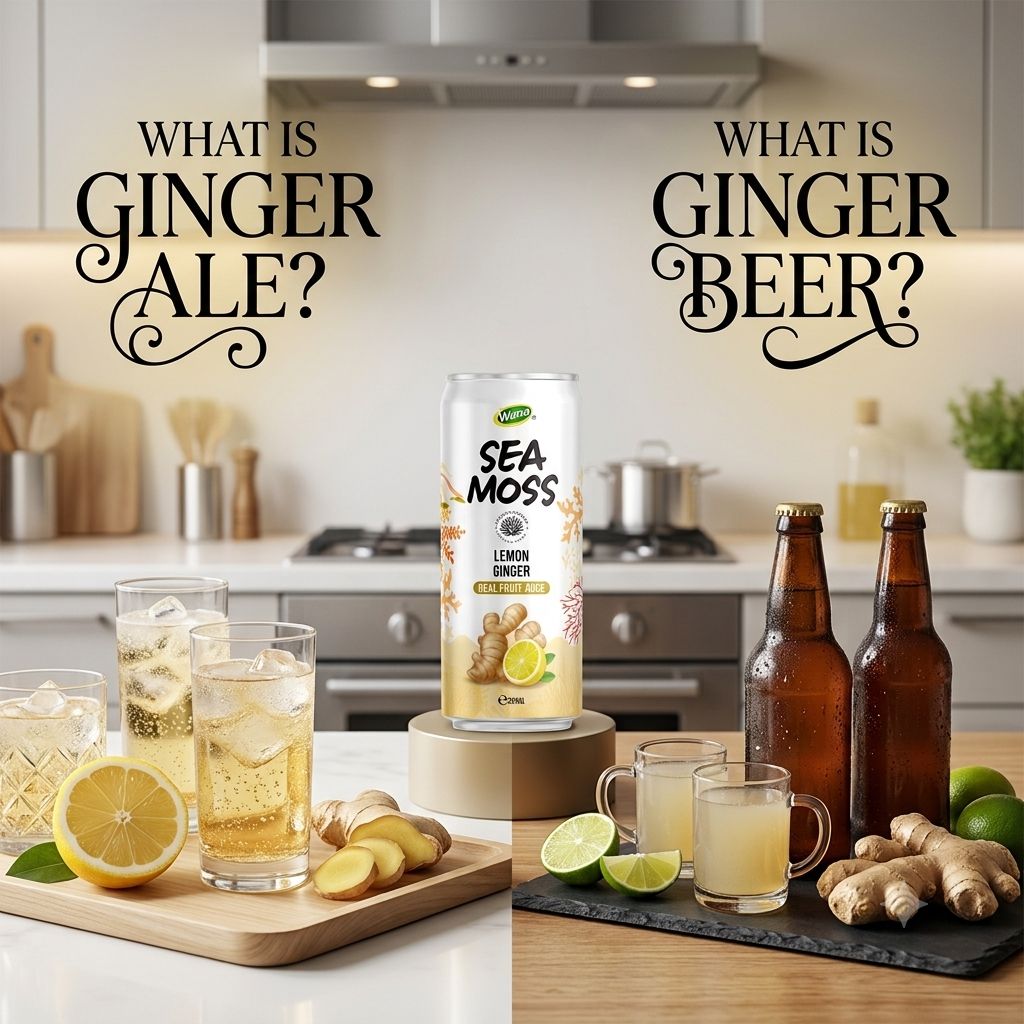
What is Ginger Beer?
History of Ginger Beer
Ginger beer has a rich history that dates back to the 17th century. It originated in England, where it was initially made by fermenting ginger, sugar, and water by beverage manufacturer. The process produced a naturally fizzy drink, which became popular for its refreshing qualities and medicinal properties.
By the 1800s, ginger beer gained popularity across the British Empire and was often brewed at home using a “ginger beer plant,” a symbiotic culture of bacteria and yeast (SCOBY). This method allowed for the creation of a fizzy beverage with a stronger ginger flavor.
In the late 19th and early 20th centuries, commercial production of ginger beer began, with manufacturers refining the brewing process. This led to the introduction of non-alcoholic versions, making it accessible to a wider audience. Today, ginger beer is enjoyed globally, both as a standalone beverage and as a key ingredient in various cocktails, reflecting its enduring appeal and versatility
Its Taste
Ginger beer is known for its bold and invigorating flavor profile. The predominant taste comes from the fresh ginger, which delivers a spicy kick that can range from mild to intense, depending on the brand and brewing method. This spiciness is often balanced by sweetness, which can vary widely; some ginger beers have a pronounced sugary taste, while others lean towards a drier finish. Additionally, many versions feature hints of citrus, such as lemon or lime, which enhance the overall refreshing quality. The effervescence of the drink adds to its lively character, making ginger beer a zesty and enjoyable beverage, whether consumed on its own or mixed in cocktails.
What is Ginger Ale?
Ginger ale is a carbonated soft drink flavored primarily with ginger, sugar, and various flavorings. It is known for its light, sweet taste and gentle ginger notes, making it a popular choice for a refreshing beverage or mixer in cocktails.
History of Ginger Ale
Ginger ale traces its origins back to the 19th century, when it was developed as a medicinal tonic. The earliest recipes were crafted by mixing ginger with sugar and water, and it was often used to soothe digestive issues. By the mid-1800s, ginger ale became commercially produced, with various manufacturers creating their own recipes. The drink gained widespread popularity in the United States and Canada, particularly with the advent of carbonation, which gave it a fizzy quality that appealed to consumers.
The Rise of Ginger Ale in the Beverage Industry
In the late 19th and early 20th centuries, ginger ale saw significant growth in the beverage industry. It became a staple in homes and bars, often served as a mixer for cocktails or enjoyed on its own. The rise of popular brands, such as Canada Dry and Schweppes, helped to solidify its place in the market. During Prohibition in the United States, ginger ale became especially popular as a mixer for illicit alcoholic drinks, further boosting its prominence. Today, ginger ale is a well-established beverage enjoyed worldwide, with various brands offering different styles and flavors.
Its Taste
Beverage manufacturer told that ginger ale is characterized by its mild, sweet flavor, with a subtle ginger undertone. The sweetness varies among beverage wholesale distributors, with some offering a more sugary profile while others lean towards a drier taste. The ginger flavor is generally softer compared to ginger beer, making it more palatable for those who prefer a less intense spiciness. The carbonation adds a refreshing fizz, making ginger ale a versatile drink that can be enjoyed on its own, over ice, or as a mixer in cocktails.
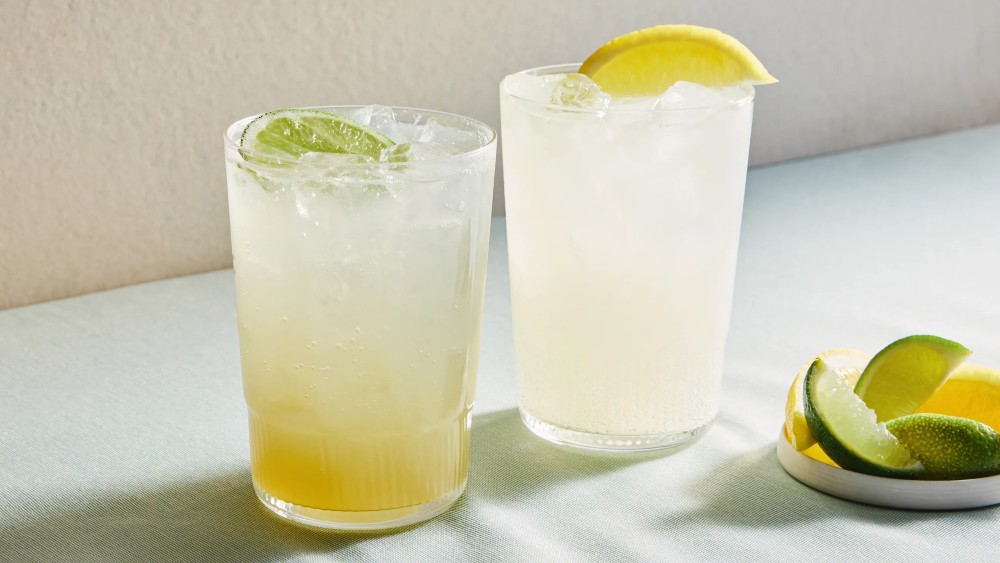
Breaking Down Their Differences By Beverage Manufacturer
|
Aspect |
Ginger Beer |
Ginger Ale |
|
Flavor |
Strong, spicy ginger flavor | Milder, sweeter ginger taste |
|
Sweetness |
Typically less sweet, varies by brand |
Generally sweeter |
|
Fermentation |
Naturally fermented |
Carbonated but usually non-fermented |
|
Alcohol Content |
Can contain small amounts of alcohol |
Usually non-alcoholic |
|
Uses |
Commonly used in cocktails like Moscow Mule |
Often enjoyed on its own or as a mixer |
| Texture | More robust and full-bodied |
Lighter and crisper |
Which One Is Better for Your Beverage Brand?
Choosing between ginger ale and ginger beer is not about determining which beverage is objectively better—it’s about selecting the option that best aligns with your brand positioning, target audience, and business strategy. While both beverages are ginger-based, they appeal to different consumer segments and offer distinct market opportunities.
Choose Ginger Ale If…
Ginger ale is an excellent choice for brands targeting the mainstream soft drink market. Its mild ginger flavor, balanced sweetness, and refreshing taste make it appealing to a broad range of consumers, from families to young adults.
It may be the right option if your brand:
- Targets mass-market consumers seeking an everyday refreshing beverage.
- Wants to offer a light, easy-to-drink carbonated soft drink.
- Focuses on retail channels such as supermarkets, convenience stores, and grocery chains.
- Aims to compete in the traditional carbonated beverage category with a familiar and approachable flavor profile.
Choose Ginger Beer If…
Ginger beer is better suited for brands looking to differentiate themselves in premium or specialty beverage categories. With its bolder ginger flavor and more distinctive character, it appeals to consumers seeking authentic, craft-inspired, or functional beverages.
It may be the better choice if your brand:
- Targets premium, craft, or specialty beverage markets.
- Wants a stronger and more distinctive ginger flavor to stand out from conventional soft drinks.
- Plans to develop botanical, wellness, or functional beverage products.
- Intends to position the product as a premium mixer or sophisticated non-alcoholic beverage for modern consumers.
Ultimately, the right choice depends on your brand strategy and the market you want to serve. An experienced OEM beverage manufacturer can help evaluate consumer trends, refine product positioning, and develop a customized ginger beverage that aligns with your business goals.
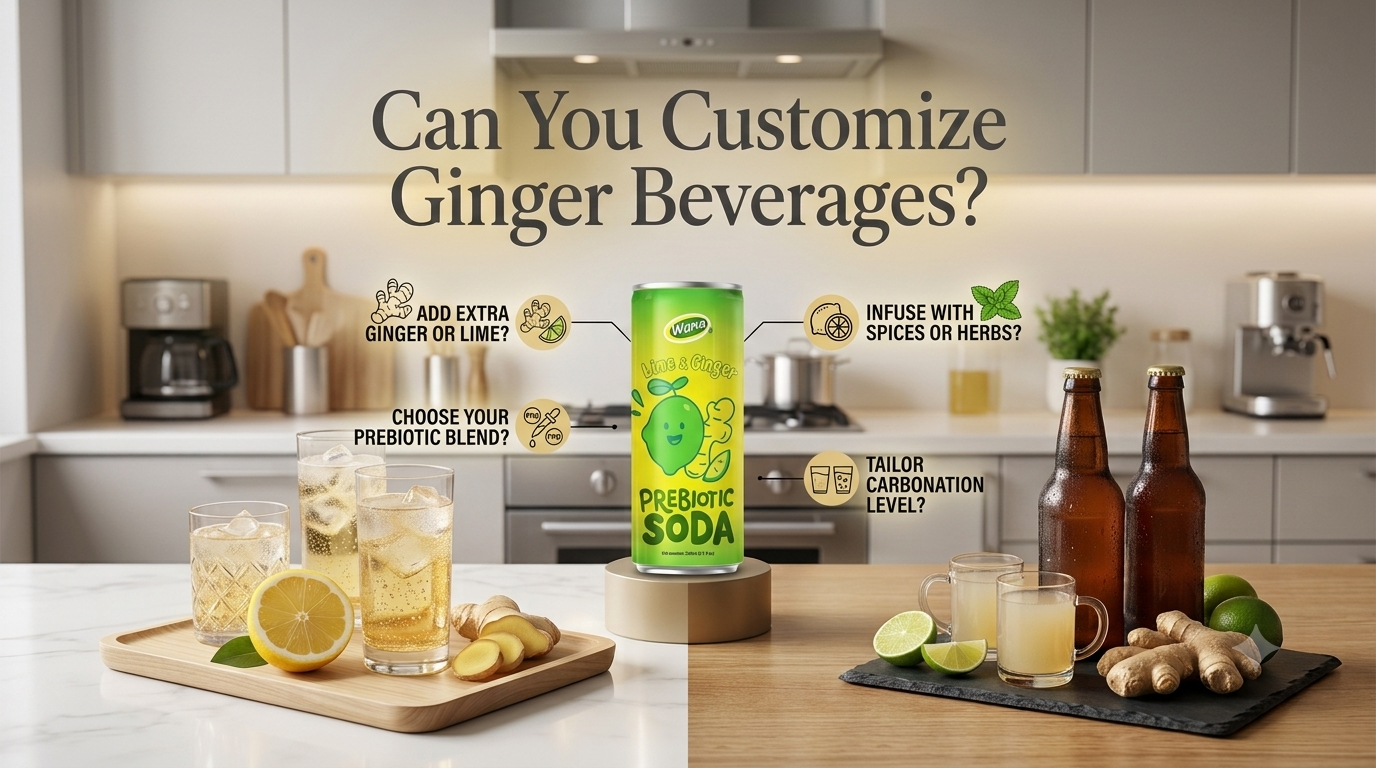
Can You Customize Ginger Beverages?
Absolutely. One of the biggest advantages of working with an experienced OEM beverage manufacturer is the ability to create a ginger beverage that reflects your brand identity and meets the expectations of your target market. Rather than choosing a standard product, brands can customize nearly every aspect of the beverage—from the recipe and flavor profile to the packaging and branding.
Formula Customization
A professional OEM manufacturer can help tailor your beverage formula based on your market positioning and consumer preferences. Common customization options include:
- Ginger intensity: Adjust the level of ginger flavor, from mild and refreshing to bold and spicy.
- Sweetness level: Develop regular, reduced-sugar, or no-added-sugar formulations.
- Natural ingredients: Incorporate real ginger extract, fruit juices, botanical extracts, or natural flavors.
- Functional ingredients: Add vitamins, minerals, electrolytes, collagen, probiotics, or other functional ingredients to create value-added beverages.
Packaging Options
Packaging plays a crucial role in product presentation and consumer appeal. Depending on your target market and distribution channel, OEM manufacturers typically offer a variety of packaging formats, including:
- Aluminum cans
- PET bottles
Many manufacturers also provide support with label development, packaging design, and carton packaging to ensure your product is retail-ready and aligned with your brand identity.
Private Label & OEM Manufacturing
Whether you have a unique product concept or want to launch quickly using an existing formulation, OEM manufacturers can provide flexible solutions. With OEM and private label services, beverage brands can develop customized ginger drinks without investing in their own production facilities, equipment, or technical teams. This allows businesses to focus on branding, sales, and market expansion while relying on an experienced manufacturing partner for production, quality control, and export support.
Why Choose WANA Beverage?
As a trusted OEM beverage manufacturer in Vietnam, WANA Beverage provides comprehensive OEM, ODM, and private label solutions for beverage brands looking to develop innovative ginger-based beverages. With over 20 years of manufacturing experience, WANA supports customers throughout every stage of product development—from concept to commercial production.
Whether you’re creating a refreshing ginger ale, a bold ginger beer, or a functional ginger beverage, WANA’s experienced R&D team can help develop a customized formula tailored to your target market. Brands can customize ginger intensity, sweetness, functional ingredients, and flavor combinations to create products that stand out in today’s competitive beverage industry.
Beyond formulation, WANA offers a wide range of packaging options, including aluminum cans and PET bottles along with label development and packaging support to help brands build a distinctive market presence.
Quality and food safety are at the core of WANA’s manufacturing process. The company operates under internationally recognized quality management systems and supports customers with the certifications and documentation required for global markets. Combined with extensive export experience, WANA helps streamline product launches for distributors, retailers, and beverage brands worldwide.
Whether you’re launching a new beverage line or expanding your existing portfolio, WANA provides flexible manufacturing solutions designed to support your long-term growth.
Frequently Asked Questions
Is ginger beer alcoholic?
Traditional ginger beer was naturally fermented and contained a small amount of alcohol. However, most modern commercial ginger beers are non-alcoholic and are produced as carbonated soft drinks, making them suitable for everyday consumption.
Which has a stronger ginger flavor?
Ginger beer generally has a bolder, spicier, and more intense ginger flavor than ginger ale. Ginger ale is typically lighter, sweeter, and more refreshing, making it appealing to a broader consumer audience.
Can I develop a custom ginger beverage?
Yes. OEM beverage manufacturers can help develop customized ginger beverages by adjusting ginger intensity, sweetness, functional ingredients, carbonation, and flavor combinations to match your brand positioning and target market.
Can You Substitute Ginger Ale for Ginger Beer in Cocktails?
Yes, you can substitute ginger ale for ginger beer in cocktails, but keep in mind that the flavor profile will change. Ginger ale is milder and sweeter than ginger beer, so the drink may be less spicy and less robust. So choose the best beverage company you know, like Wana Beverage!
If you’re making cocktails like a Moscow Mule or Dark ‘n’ Stormy, using ginger ale will still give you a refreshing drink, but it won’t have the same depth of flavor. To compensate for the difference, you might consider adding a bit of fresh ginger or adjusting other ingredients to enhance the overall taste. Ultimately, it depends on your preference and the specific cocktail you’re making!
What packaging options are available?
Depending on your product requirements, ginger beverages can be packaged in aluminum cans, PET bottles, or glass bottles. Packaging can also be customized with private label designs and retail-ready carton solutions.
Does WANA support private label ginger drinks?
Yes. WANA Beverage offers OEM, ODM, and private label manufacturing services for ginger-based beverages. From custom formulation and packaging development to production and export support, WANA provides end-to-end solutions for beverage brands worldwide.
Conclusion
Choosing between ginger ale and ginger beer is not about determining which beverage is universally better. Instead, it is about selecting the product that best aligns with your brand strategy, target consumers, and market positioning. While ginger ale appeals to the mainstream soft drink market with its light, refreshing taste, ginger beer offers a bolder flavor profile that is well suited for premium, craft, and functional beverage categories.
By understanding the differences between ginger ale and ginger beer, beverage brands can make more informed product development decisions. Choosing the right beverage helps ensure your product aligns with consumer preferences and market demand. Working with an experienced OEM beverage manufacturer also simplifies the entire development process. From custom formulation and packaging to manufacturing and global export, the right partner can help bring your beverage concept to market efficiently.
Ready to launch your own ginger beverage? Contact WANA Beverage to explore custom OEM, ODM, and private label solutions tailored to your business. From concept development and formulation to packaging and global distribution, our team is ready to help bring your products brand to market with confidence.