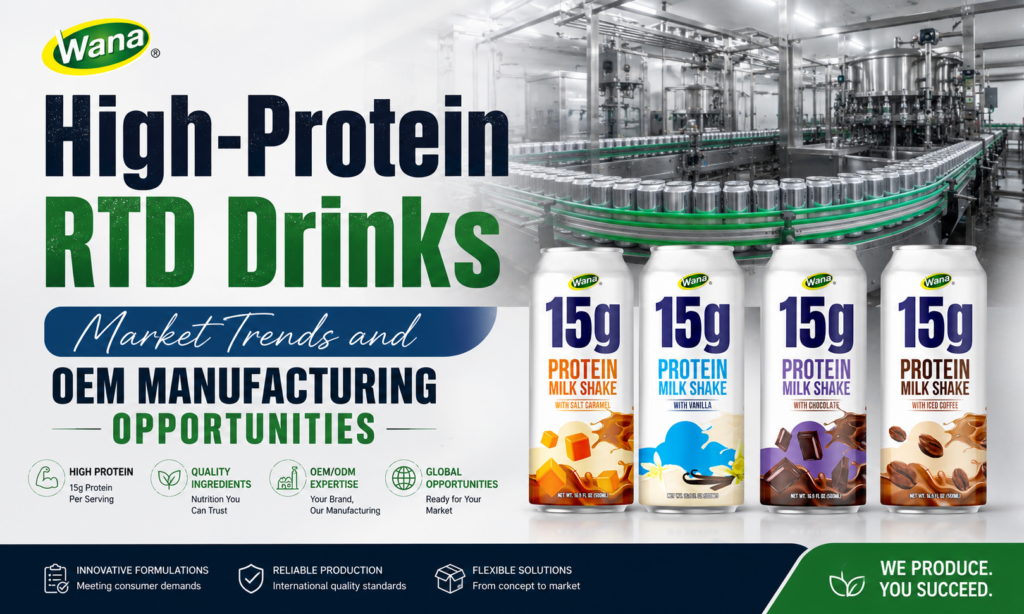
The market for high-protein RTD drinks is booming. Consumers are increasingly seeking convenient, healthy options. This trend is reshaping the beverage industry.
Fitness enthusiasts and health-conscious individuals are driving demand. They want nutritional protein drinks that fit their active lifestyles. This shift is creating new opportunities.
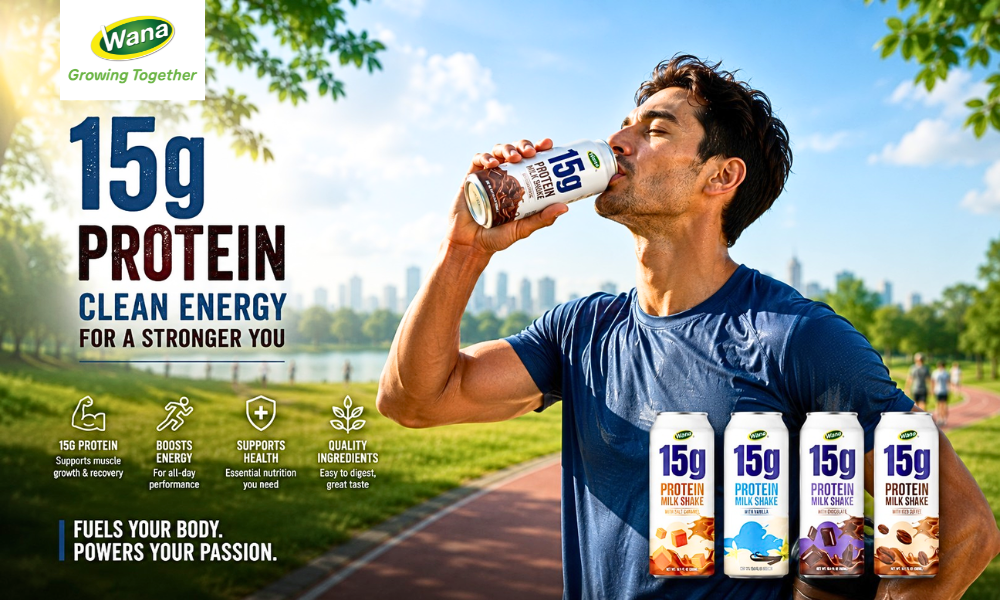
OEM manufacturing is a key player in this market. It allows brands to enter with less investment. This approach speeds up time-to-market.
Innovation is crucial for success. Brands are exploring new flavors and ingredients. This keeps consumers engaged and loyal.
Sustainability is also a growing concern. Eco-friendly packaging is becoming a priority. This aligns with consumer values and expectations.
The Rise of High-Protein RTD Drinks: Market Overview
The global market for high-protein RTD drinks is expanding rapidly, supported by strong health-and-wellness demand and the need for portable nutrition. According to Market Us, the Global Ready To Drink Protein Market is expected to be worth around USD 3.4 billion by 2034, up from USD 1.7 billion in 2024, growing at a CAGR of 7.1% from 2025 to 2034.
This growth is not only about more products on shelves, but also about clear “where the volume is” signals that can guide brand and OEM decisions.
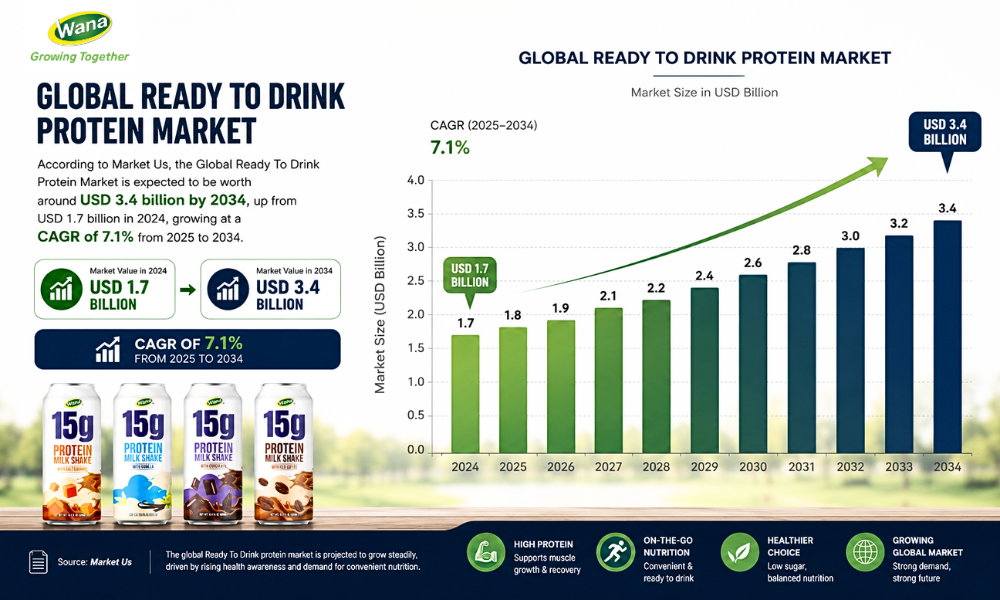
Highlights several key segments and growth opportunities within the category:
- Bottled RTD proteins lead packaging types, making up 58.30% of the market.
- Supermarkets and hypermarkets distribute 43.20% of RTD proteins, dominating the channel.
- With 48.10% market share, North America leads in the USD 0.8 billion RTD sector.
Overall, the market for high-protein RTD drinks is poised for continued growth. Manufacturers and brands that align formulations, packaging formats, and channel strategy with these demand patterns are better positioned to scale.
Key Consumer Trends Shaping the Nutritional Protein Drinks Market
Consumer preferences are evolving rapidly, driving the nutritional protein drinks market. While plant-based proteins continue to gain attention for sustainability and dietary preference reasons, Market Us data shows animal-based proteins still dominate the category with 68.40% share. For brands, this often translates into a dual-track approach: maintaining mainstream animal-protein SKUs while selectively innovating with plant-based options.
Health-conscious individuals are increasingly interested in clean-label products. Transparency in ingredient sourcing is becoming a critical factor. Consumers want to understand what goes into their protein drinks.
Functional benefits beyond just high protein content attract consumers. Popular features include:
- Muscle recovery support
- Weight management assistance
- Immune-boosting properties
The desire for personalization is also emerging in this market. Consumers seek products tailored to specific dietary needs. Gender-specific and age-specific formulations are gaining attention.
The rise in e-commerce and direct-to-consumer sales channels expands product availability. Online platforms facilitate easy access to a wider variety of drinks. This trend is expected to continue growing as digital sales increase.
Innovations in RTD Protein Drinks: Ingredients, Flavors, and Formats
The RTD protein drinks market thrives on innovation, constantly introducing new elements. One of the key areas is ingredient diversification. Brands are exploring alternative protein sources like pea and hemp, alongside continued innovation in dairy and whey-based formulations that align with the category’s dominant animal-protein demand.
Flavors are another focal point for innovation. Consumers look for exciting tastes, prompting brands to experiment. Exotic and region-specific flavors captivate more adventurous palates.
Packaging format remains a core commercial lever because it affects shelf presence, cost structure, and consumer convenience. Market Us data indicates that bottled RTD proteins lead packaging types, making up 58.30% of the market, reinforcing why many launches prioritize bottle-ready stability, fill compatibility, and label design.
Ingredient innovation doesn’t stop at proteins alone. The inclusion of natural sweeteners and clean-label additives is on the rise. This appeals to health-conscious consumers seeking transparency.
Format innovations include powders and concentrates. These offer flexibility in preparation and consumption. Such versatility caters to a wider range of consumer preferences and needs.
Regional Insights: Growth Hotspots and Emerging Markets
The Ready To Drink Protein Market is segmented into key regions: North America, Europe, Asia Pacific, Middle East & Africa, and Latin America, each exhibiting unique growth dynamics.
North America is the dominating region with an impressive 48.10% market share, reflecting a market value of USD 0.8 billion. This dominance is driven by a robust fitness culture and high consumer awareness regarding dietary supplements.
Europe follows, with a developed market fostered by health-conscious consumers and well-established retail channels that enhance the accessibility and visibility of RTD protein products.
Meanwhile, the Asia Pacific region is experiencing rapid growth due to increasing urbanization, rising disposable incomes, and the expanding influence of Western dietary habits, making it a key area for future market expansion.
The Middle East & Africa and Latin America regions, though smaller in comparison, are poised for growth. Increasing health awareness and improving retail infrastructure are likely to boost the consumption of RTD protein beverages in these regions.
OEM Manufacturing: Opportunities and Advantages for Brands
OEM manufacturing offers substantial advantages for brands entering the high-protein RTD drinks market. It allows companies to leverage existing expertise and infrastructure. This approach reduces the need for heavy initial investments.
Brands gain access to advanced production technologies and state-of-the-art facilities. By outsourcing, they can focus on branding, marketing, and distribution. OEM partners often have years of experience and specialized knowledge.
Opportunities with OEM manufacturing include:
- Faster time-to-market
- Lowered production costs
- Access to innovative ingredients and formulations
- Ability to scale production efficiently
- Customization options for unique offerings
Brands can also explore private labeling, providing more personalization. This allows them to cater to specific consumer preferences. Therefore, differentiation through OEM manufacturing is feasible.
Additionally, OEM partnerships can streamline regulatory compliance processes. This ensures products meet legal standards without branding pitfalls. Overall, OEM manufacturing provides strategic advantages. It sets a solid foundation for companies to thrive in the competitive RTD protein drinks landscape.
How WANA Beverage Helps Brands Launch High-Protein RTD Drinks
For brands looking to move from concept to shelf quickly, OEM beverage manufacturer can serve as an OEM partner focused on reducing complexity across formulation, manufacturing, and commercialization. By aligning product goals with technical and operational requirements early, brands can shorten development cycles and avoid costly reformulation later.
Support areas often include:
- Product concepting and formulation support for target protein levels, mouthfeel, and stability
- Ingredient and packaging coordination to match positioning goals (for example, clean-label or functional add-ons)
- Pilot runs and scale-up planning to help validate performance before full production
- Production scheduling and capacity planning to support launches and reorders
- Quality and documentation workflows that help teams stay organized through retail and distribution requirements
In practice, this kind of partnership helps brands focus on go-to-market strategy while the manufacturing side stays aligned on specifications, timelines, and consistency.
Customization, Private Labeling, and Product Differentiation
In the evolving market of high-protein RTD drinks, customization plays a pivotal role. Consumers seek products tailored to their unique dietary needs and lifestyle choices. Brands offering personalized solutions attract a broader customer base.
Private labeling provides businesses with opportunities to create distinct identities in the market. By partnering with OEM manufacturers, brands can develop exclusive products without the complexities of production. This enhances their competitive edge.
Differentiating products in the crowded RTD protein drinks sector involves strategic formulation and branding. Companies must innovate with flavors, packaging, and nutritional profiles to stand out. Catering to specific demographics, such as vegan athletes or aging consumers, is essential.
Key aspects of product differentiation include:
- Unique flavor profiles and ingredients
- Specific health benefits (e.g., muscle recovery)
- Packaging design that aligns with brand identity
- Clear labeling with transparent ingredient lists
Emphasizing these elements can foster stronger brand loyalty and consumer trust. By focusing on customization and differentiation, companies enhance their relevance in the competitive landscape.
Regulatory, Quality, and Sustainability Considerations
Navigating regulatory landscapes is crucial for high-protein RTD drink manufacturers. Compliance with food safety standards ensures product integrity. Brands must keep abreast of changes in dietary regulations to maintain market readiness.
Quality assurance is a cornerstone of consumer trust. High protein RTD drinks should meet stringent quality benchmarks. Consistency in taste and nutritional content is key for brand reputation. Rigorous testing protocols help achieve these standards.
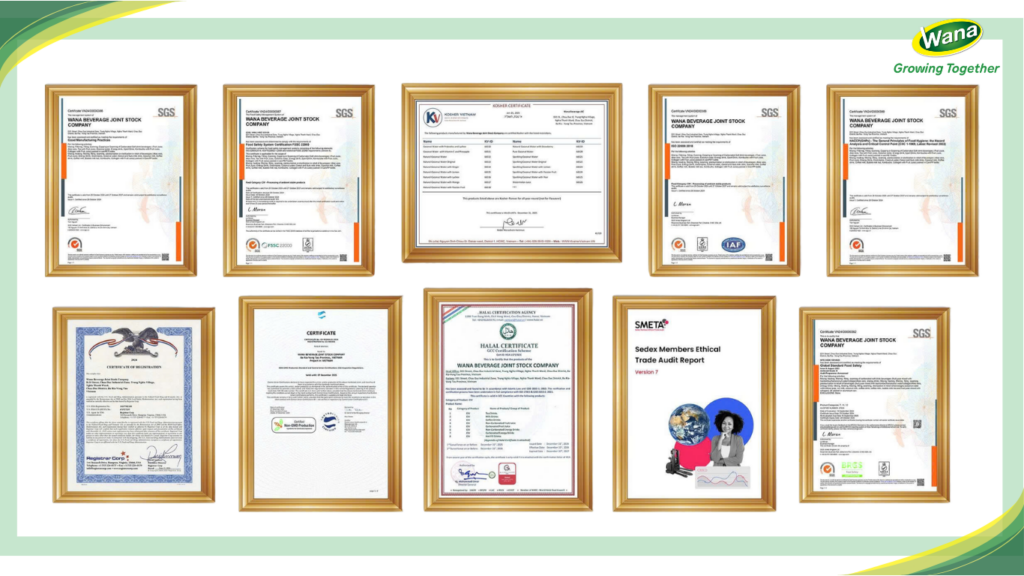 Wana’s certifications
Sustainability is gaining traction within the industry. Consumers increasingly demand eco-friendly production and packaging solutions. Brands that prioritize sustainability can enhance their market appeal. Implementing green practices is both an ethical and economic advantage.
Sustainability strategies could include:
- Using recyclable or biodegradable packaging
- Sourcing ingredients ethically and sustainably
- Reducing energy and water usage in production
- Supporting fair trade practices
Integrating these practices not only meets consumer expectations but also positions brands as forward-thinking and responsible. This commitment to sustainability can lead to increased consumer loyalty and new market opportunities.
Marketing Strategies and Distribution Channels for RTD Protein Drinks
Effective marketing strategies can significantly boost the visibility of RTD protein drinks. Brands are leveraging lifestyle and wellness narratives to resonate with consumers. This approach helps create a strong emotional connection with the target audience.
Distribution strategy is often shaped by where consumers most commonly purchase RTD protein. Market Us reports that supermarkets and hypermarkets distribute 43.20% of RTD proteins, making them the dominant channel and a key consideration for package format, shelf-life targets, and price architecture.
The integration of digital marketing is essential for modern consumer outreach. Social media platforms provide a powerful tool for engaging with customers. Influencers and brand ambassadors can amplify product awareness and credibility.
Distribution channels have expanded beyond traditional retail outlets. E-commerce is playing a major role in reaching a broader audience. Direct-to-consumer models offer convenience and personalized shopping experiences.
Key marketing strategies include:
- Collaborations with fitness and health brands
- Targeted advertising based on consumer data insights
- Interactive social media campaigns and user-generated content
- Strategic retail partnerships for enhanced shelf visibility
By employing these strategies, brands can enhance consumer engagement and drive sales growth. The combination of creative marketing and diverse distribution ensures high visibility in a competitive market.
Future Outlook: Trends and Opportunities in High-Protein RTD Drinks
The future of high-protein RTD drinks looks promising as consumer interest continues to grow. Market Us forecasts continued expansion of the Global Ready To Drink Protein Market from USD 1.7 billion in 2024 to around USD 3.4 billion by 2034, at a CAGR of 7.1% (2025 to 2034). For brands and OEM partners, the opportunity is not just growth, but efficient execution: building products that match the category’s highest-share formats, channels, and protein preferences while still leaving room for innovation.
Emerging trends indicate a shift towards more personalized nutrition solutions. Consumers are seeking beverages that cater to specific health goals and dietary needs. This trend opens opportunities for the development of niche products tailored to diverse audiences.
Technological advancements in production and packaging are enhancing product quality and efficiency. These innovations support the creation of new formats and flavors. As technology evolves, the potential for unique product offerings expands.
Key future opportunities in the market include:
- Development of gender-specific and age-specific nutritional drinks
- Exploration of novel protein sources, such as insect and lab-grown protein
- Expansion into emerging markets with rising health awareness
- Integration of functional ingredients for added health benefits
By capitalizing on these opportunities, manufacturers can stay ahead in the competitive landscape. Strategic growth efforts will be crucial in capturing the attention of informed and health-focused consumers.
Partner with WANA Beverage for Your High-Protein RTD Drink Success
At WANA Beverage, we help brands transform innovative ideas into market-ready products through comprehensive OEM, ODM, and private-label manufacturing solutions. Our experienced team supports every stage of development, from formulation and flavor customization to packaging and global export compliance.
Whether you’re launching a new protein beverage brand or expanding your existing product portfolio, WANA Beverage is your trusted manufacturing partner.
Ready to develop your own high-protein RTD drink? Contact WANA Beverage today to discuss your project, request samples, and explore customized manufacturing solutions for your target market.