The global fruit juice market continues to evolve as consumers seek healthier, more convenient, and better-tasting beverage options. From 100% fruit juice and NFC (Not From Concentrate) products to functional juice blends enriched with vitamins or botanical extracts, demand is growing across both established and emerging markets. For entrepreneurs, distributors, retailers, and beverage brands, this creates exciting opportunities to introduce new products without building a manufacturing facility from the ground up.
However, turning an idea into a successful product requires more than an attractive label or a great flavor. One of the most important decisions you’ll make is selecting the right fruit juice private label manufacturer.
Many businesses focus primarily on production costs, but price alone rarely determines long-term success. A reliable manufacturing partner should deliver consistent product quality, flexible customization, transparent communication, and compliance with international food safety standards. They should also be able to scale production as your brand grows while supporting your business with technical expertise and export experience.
With countless manufacturers offering similar services, it can be difficult to identify which partner is best suited to your brand’s goals. Understanding what private label manufacturing involves—and knowing what to evaluate before making a decision—can help you avoid costly mistakes and build a stronger foundation for long-term growth.
In this guide, we’ll explore what a fruit juice private label manufacturer does, why more beverage brands are choosing private label production, and the key factors you should consider before selecting a manufacturing partner.
What Is a Fruit Juice Private Label Manufacturer?
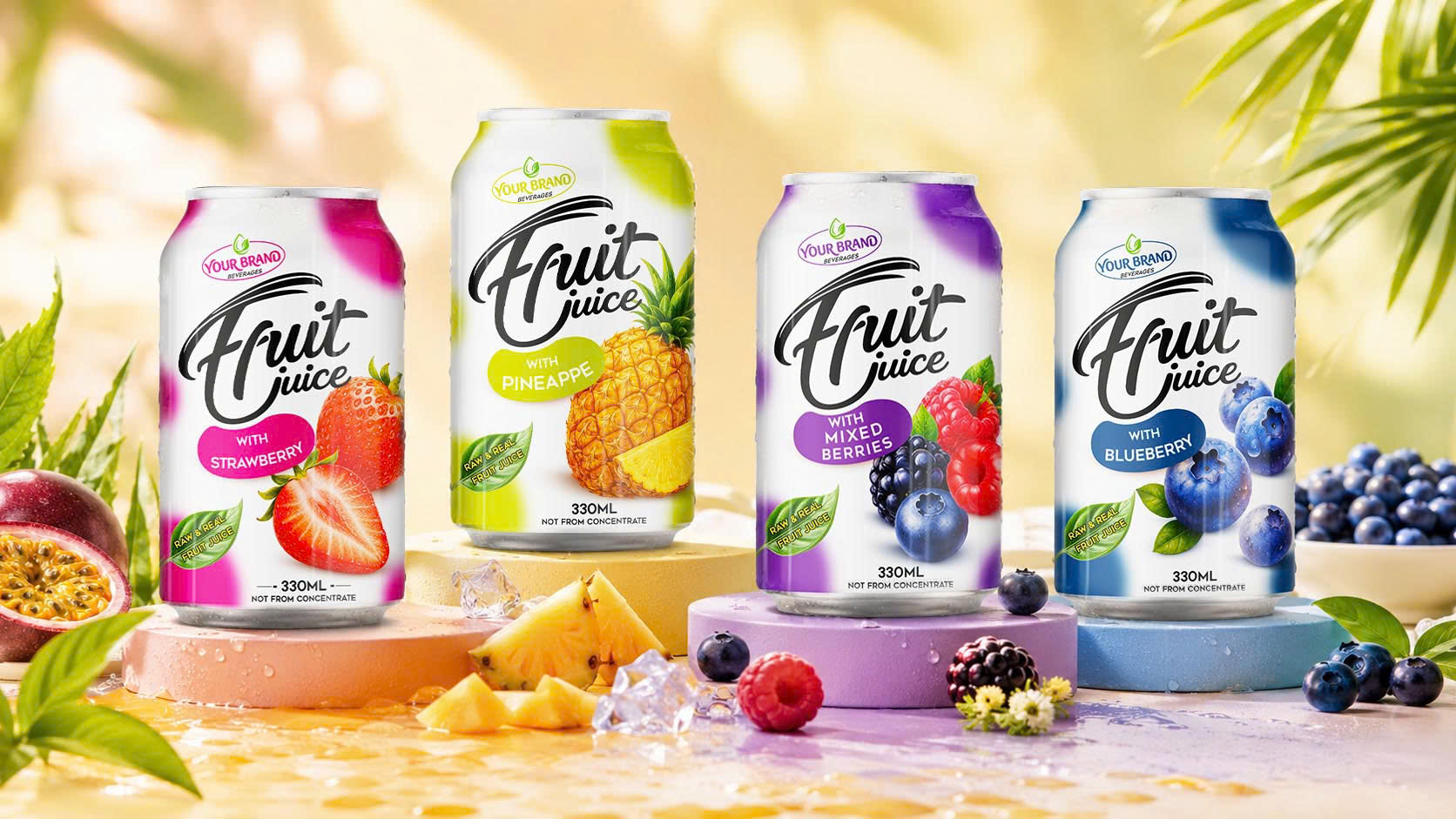
A fruit juice private label manufacturer is a company that produces fruit juice products under another company’s brand name. Instead of investing in your own production facility, equipment, and manufacturing team, you partner with an experienced manufacturer that develops, produces, packages, and, in many cases, helps prepare your products for domestic or international markets.
This business model allows companies to focus on what they do best—building a brand, developing sales channels, and growing their customer base—while leaving the complexities of manufacturing to industry specialists.
Depending on your business needs, a private label manufacturer may offer a range of services, including:
- Product formulation and recipe development
- Ingredient sourcing
- Production and filling
- Packaging solutions
- Label application
- Quality control and laboratory testing
- Export documentation and logistics support
It’s important to understand that private label manufacturing is not the same as simply buying generic products. Many manufacturers offer extensive customization options, enabling brands to create products that reflect their market positioning and consumer preferences.
For example, a startup targeting health-conscious consumers may request a low-sugar juice with natural fruit extracts and recyclable packaging, while a supermarket chain may prioritize competitive pricing, standardized formulations, and large production volumes. A capable manufacturer should be able to adapt its services to meet these different business objectives.
An experienced fruit juice private label manufacturer also serves as a technical partner throughout product development. Beyond manufacturing, they can provide valuable guidance on ingredient selection, flavor trends, packaging formats, regulatory requirements, and production feasibility. This collaborative approach helps brands launch products more efficiently while reducing development risks.
Why More Beverage Brands Choose Private Label Manufacturing
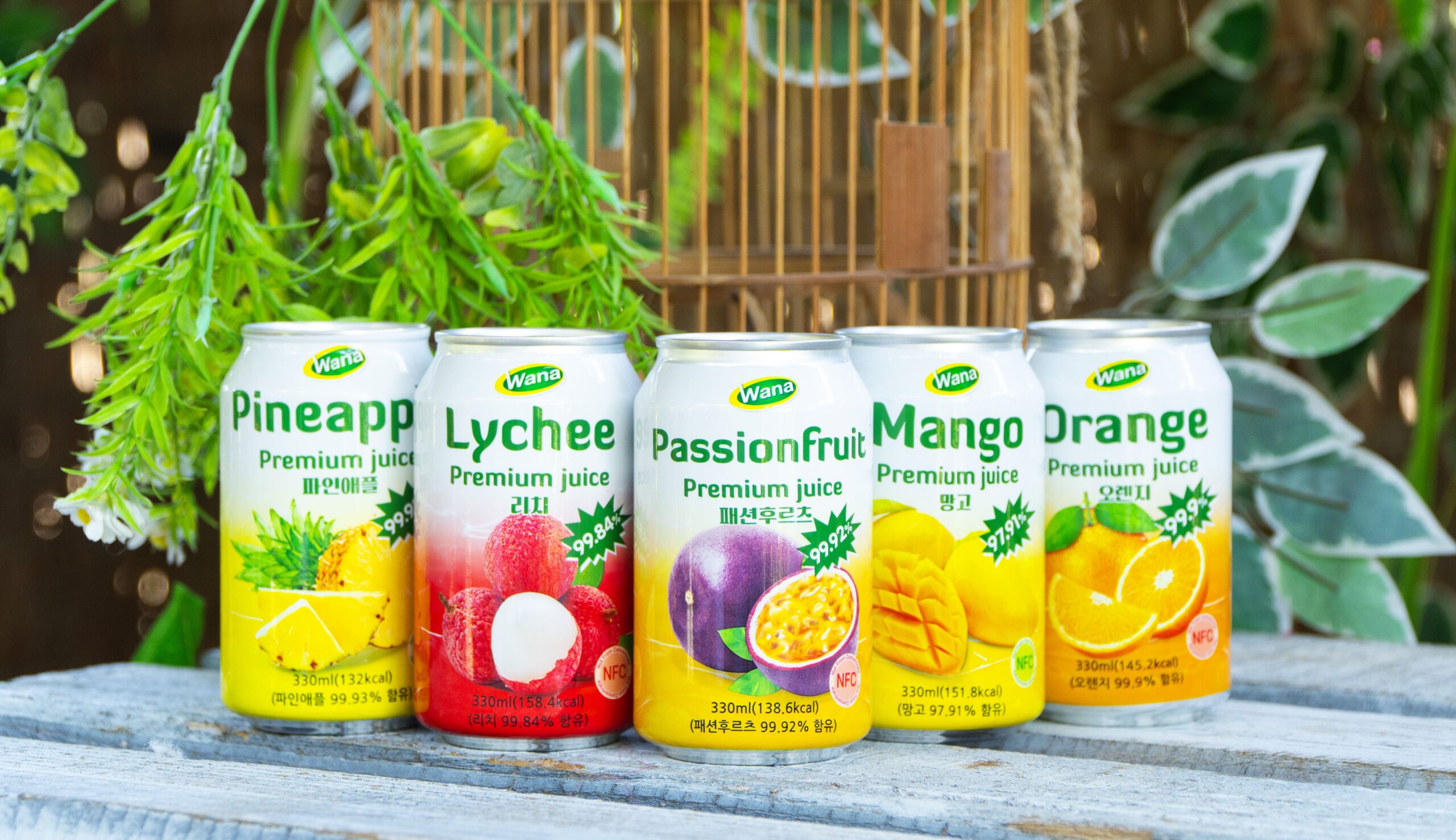
Private label manufacturing has become an increasingly popular strategy for beverage businesses of all sizes. From first-time entrepreneurs to established retailers and international distributors, more companies are choosing this model because it offers a practical balance between flexibility, speed, and cost efficiency.
Faster Time to Market
Building a beverage factory requires significant investment, specialized expertise, and years of planning. Private label manufacturing eliminates these barriers by giving brands immediate access to established production facilities and experienced technical teams.
Instead of spending valuable time setting up operations, businesses can focus on refining their product concept, developing their brand identity, and bringing products to market much faster.
Lower Initial Investment
Manufacturing equipment, production lines, quality laboratories, and food safety compliance require substantial capital. By partnering with a private label manufacturer, companies avoid these upfront investments while still benefiting from professional production capabilities.
This approach is particularly attractive for startups and growing brands looking to validate new product ideas before committing to large-scale infrastructure.
Access to Industry Expertise
An experienced manufacturer contributes much more than production capacity. Their knowledge of fruit processing, ingredient functionality, packaging technology, and international regulations can help brands make better product decisions from the beginning.
For example, they may recommend alternative fruit blends to improve flavor stability, suggest packaging options that better suit a target market, or advise on regulatory requirements for exporting to different countries.
This expertise often reduces product development time while improving the final product’s commercial success.
Flexible Product Customization
Consumer preferences continue to evolve, creating demand for beverages with cleaner labels, reduced sugar, functional ingredients, and distinctive flavors. Private label manufacturing allows brands to respond quickly to these market trends without managing complex production processes themselves.
Rather than offering one standard product, many manufacturers provide flexible customization across formulations, packaging, sweetness levels, fruit content, and branding. This enables businesses to develop products that align with their unique market positioning while maintaining efficient production.
Scalable Growth
Perhaps one of the greatest advantages of private label manufacturing is scalability.
Many beverage brands begin with moderate production volumes to test market demand. As distribution expands, they require higher production capacity, additional packaging formats, or new product variations. Working with an established manufacturer makes it easier to increase production while maintaining consistent quality and operational efficiency.
Instead of changing suppliers as the business grows, brands can continue developing new products with a manufacturing partner that already understands their quality standards and long-term objectives.
What Can Be Customized?
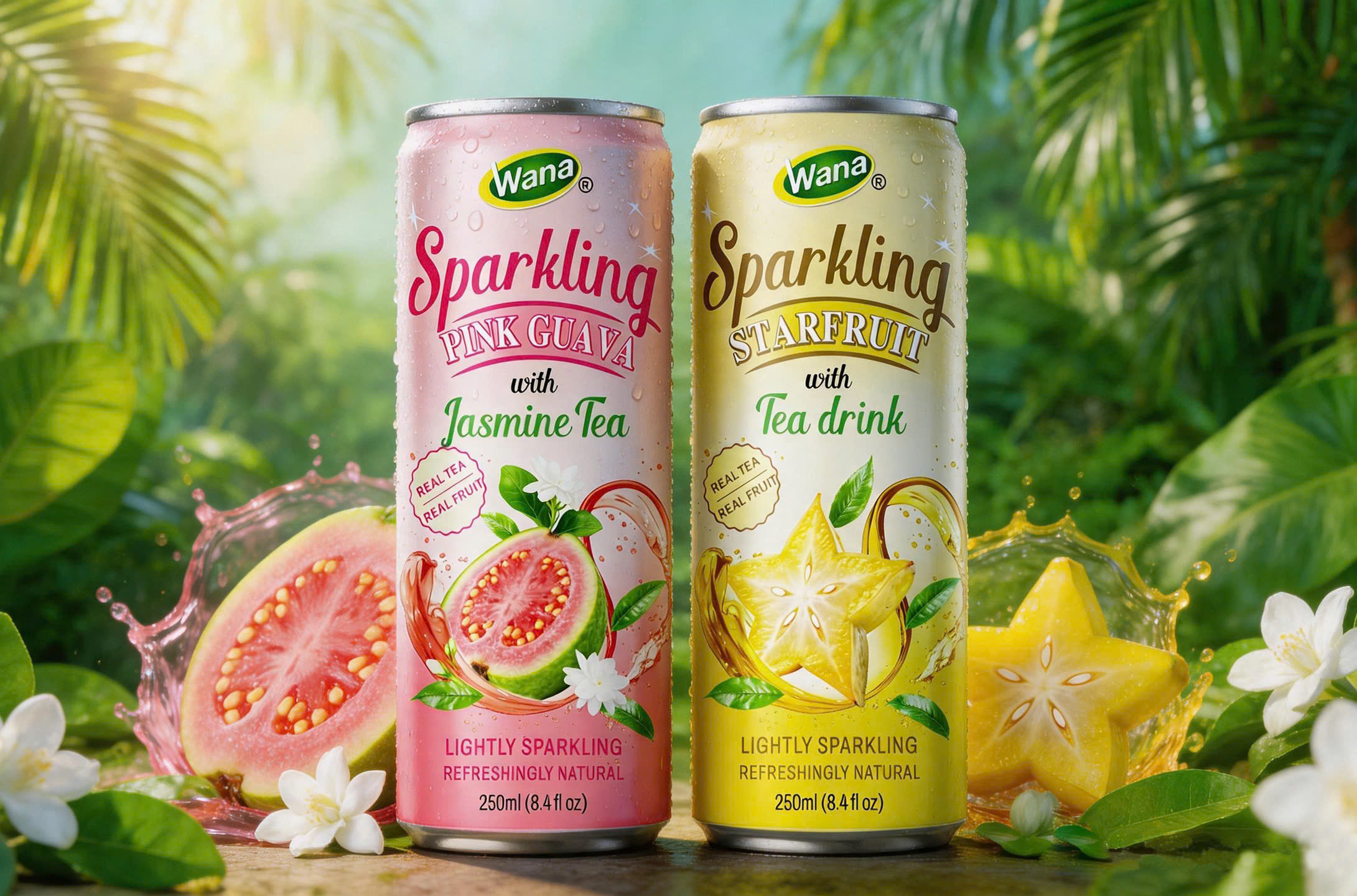
The biggest advantages of working with a fruit juice private label manufacturer is the ability to create products that reflect your brand’s unique identity and market positioning. Today’s consumers expect more than just great taste—they look for healthier ingredients, innovative flavors, convenient packaging, and products that align with their lifestyles. A capable manufacturing partner should offer the flexibility to customize every key aspect of your beverage while ensuring consistent quality and production efficiency.
Formula
Every successful fruit juice starts with the right formulation. Depending on your target market, you may want to develop a recipe from scratch or refine an existing one to better match consumer preferences.
An experienced manufacturer should be able to customize elements such as flavor balance, acidity, aroma, texture, and shelf stability while ensuring the product remains suitable for large-scale production. Beyond taste, they can also help optimize the formula for cost efficiency and regulatory compliance in different export markets.
Fruit Content
Different markets have different expectations when it comes to fruit juice. Some consumers prefer 100% fruit juice, while others look for juice drinks with a lower fruit content, making them more affordable or suitable for everyday consumption.
A flexible manufacturer should be able to produce beverages with varying fruit juice percentages, whether you’re developing premium NFC (Not From Concentrate) juices, fruit nectar, or fruit juice drinks. They can also advise on ingredient availability, seasonal supply, and the best processing methods to maintain natural flavor and color.
Sweetness
As consumers become increasingly health-conscious, sugar reduction has become a major trend in the beverage industry.
Many brands now offer products with reduced sugar, no added sugar, or alternative sweeteners to meet changing consumer demands and local nutrition regulations. Your manufacturing partner should be able to adjust sweetness levels without compromising the overall taste experience.
The ability to balance sweetness naturally while maintaining product stability is an important indicator of a manufacturer’s formulation expertise.
Functional Ingredients
Fruit juice is no longer just a refreshing beverage. Many brands are adding functional ingredients to create products that support active lifestyles and wellness goals.
Depending on your product concept, you may wish to incorporate ingredients such as:
- Vitamins and minerals
- Electrolytes
- Collagen
- Dietary fiber
- Plant extracts
- Probiotics or prebiotics
A knowledgeable manufacturer can evaluate ingredient compatibility, processing requirements, and shelf-life performance to ensure these additions deliver both functionality and product quality.
Packaging
Packaging is often the first thing consumers notice on store shelves. It plays a critical role in communicating your brand identity while protecting product quality throughout storage and transportation.
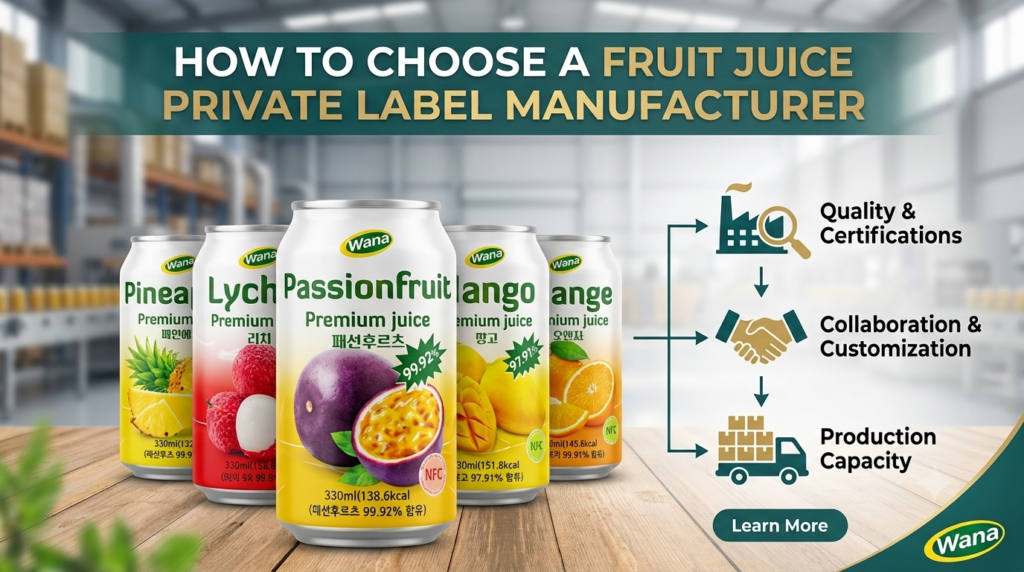
Many fruit juice private label manufacturers offer a variety of packaging options, including aluminum cans, PET bottles. Choosing the right packaging depends on factors such as your target market, product positioning, distribution channels, and sustainability goals.
Bottle or Can Size
Different sales channels require different packaging formats.
For example:
- Small serving sizes such as 250ml, 330ml are ideal for convenience stores, vending machines, and on-the-go consumption.
- Medium-sized bottles such as 500ml appeal to individual retail customers.
- Larger family-size formats like 1000ml, 1500ml are popular in supermarkets and wholesale channels.
Offering multiple packaging sizes allows your brand to serve different customer segments while expanding market opportunities.
Label Design
A high-quality product deserves professional branding.
Many manufacturers provide label development support to ensure your packaging complies with destination market regulations while maintaining strong shelf appeal. This may include assistance with artwork layout, mandatory nutrition information, multilingual labeling, barcode placement, and printing specifications.
Well-designed packaging helps consumers recognize your brand while reinforcing your product’s quality and positioning.
Carton Packaging
Secondary packaging is equally important, especially for export and large-scale distribution.
Carton size, pallet configuration, and shipping protection all affect transportation efficiency and product safety. A manufacturer with export experience can recommend packaging solutions that minimize shipping costs while protecting products during international logistics.
Comprehensive customization ensures your beverage is designed not only for consumers but also for efficient warehousing, transportation, and retail display.
What Certifications Should a Manufacturer Have?
Selecting a fruit juice private label manufacturer involves more than evaluating production capacity and customization options. Food safety, regulatory compliance, and quality assurance should be equally important considerations.
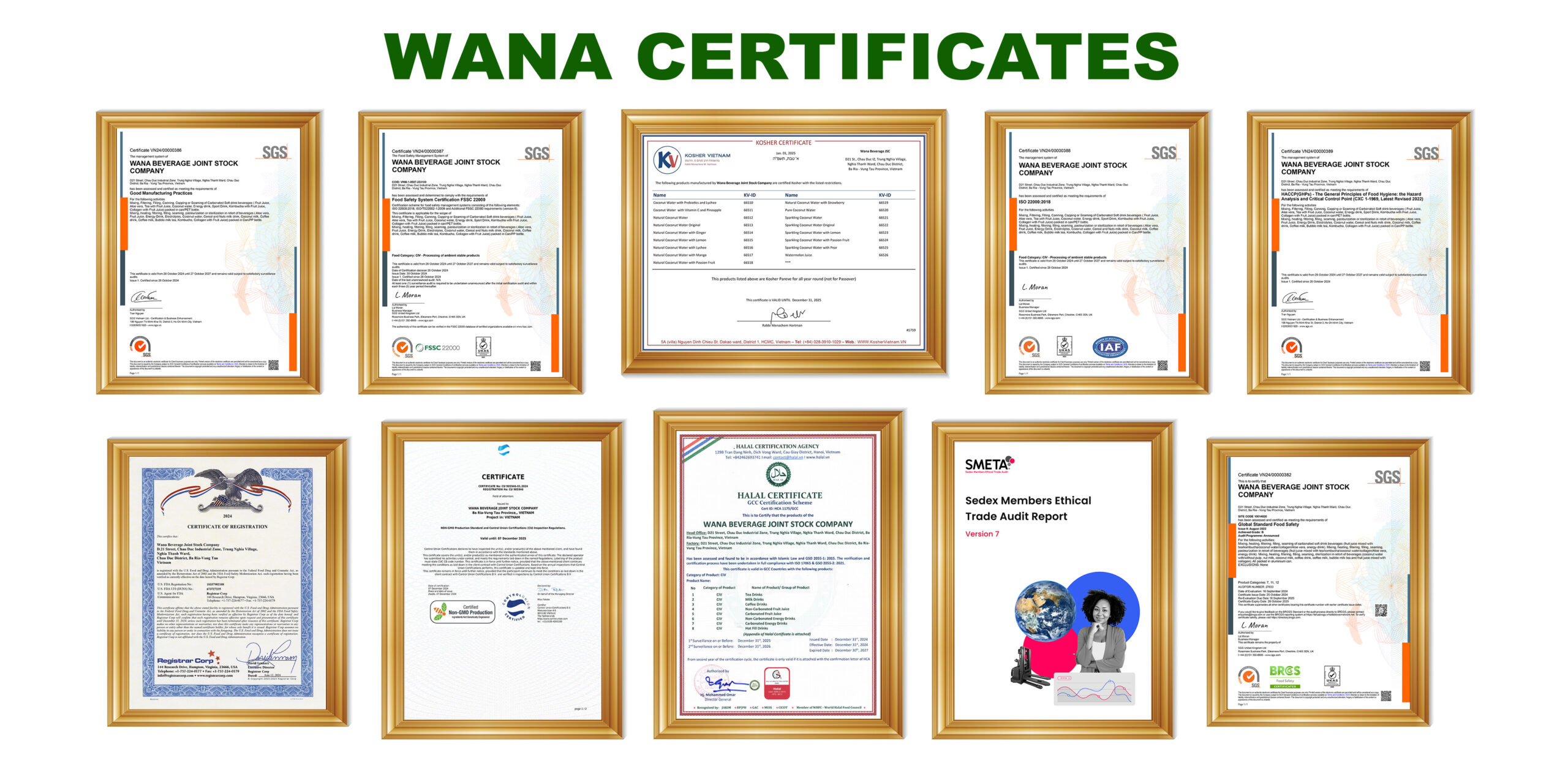
A manufacturer’s certifications provide evidence that their production systems follow internationally recognized standards. While certification requirements vary depending on your target market, working with a manufacturer that maintains robust quality management systems can significantly reduce operational and regulatory risks.
Here are some of the most important certifications and standards to consider:
HACCP
Hazard Analysis and Critical Control Points (HACCP) is one of the most widely recognized food safety systems in the beverage industry. It focuses on identifying, monitoring, and controlling potential food safety hazards throughout the manufacturing process.
A manufacturer operating under HACCP principles demonstrates a proactive approach to preventing contamination rather than simply reacting to problems after production.
ISO 22000
ISO 22000 is an internationally recognized Food Safety Management System that integrates HACCP principles with broader quality management practices.
Certification indicates that the manufacturer has established documented procedures to manage food safety risks, monitor production processes, and continuously improve operational performance.
FDA Registration
If your products are intended for the United States, it’s important to confirm whether the manufacturing facility complies with applicable FDA requirements. While FDA registration does not replace food safety certifications, it demonstrates preparedness for exporting to one of the world’s largest beverage markets.
Halal and Other Market-Specific Certifications
For businesses targeting the Middle East, Southeast Asia, or other specialized markets, certifications such as Halal may be essential. Depending on your distribution strategy, additional certifications may also be required to meet customer or retailer expectations.
Beyond Certifications: Evaluate the Quality System
Certificates alone do not guarantee product quality.
Ask prospective manufacturers how quality is managed in daily operations. For example:
- How are raw materials inspected before production?
- Are finished products tested before shipment?
- Can every production batch be traced if an issue arises?
- How are customer complaints investigated and corrected?
A reliable manufacturer should be able to explain these procedures clearly and demonstrate that quality management is embedded throughout the entire production process—not simply reflected by certificates displayed on a wall.
Ultimately, certifications provide confidence that your manufacturing partner is committed to producing safe, compliant, and consistently high-quality fruit juice products for both domestic and international markets.
Questions to Ask Before Choosing a Fruit Juice Private Label Manufacturer
Choosing a fruit juice private label manufacturer is a long-term business decision. Beyond comparing prices or production capacity, it’s important to evaluate whether a manufacturer can support your brand’s growth while maintaining consistent quality, transparency, and reliability.
Before signing a manufacturing agreement, consider asking the following questions:
Do You Offer Custom Formula Development?
Not every brand wants an off-the-shelf product. If your goal is to create a unique fruit juice, ask whether the manufacturer has an experienced R&D team that can develop custom formulations, refine recipes, and conduct product testing before commercial production.
What Is Your Minimum Order Quantity (MOQ)?
MOQ varies between manufacturers depending on production lines and packaging formats. Understanding the minimum production volume early helps you determine whether the manufacturer aligns with your business model and launch strategy.
What Certifications Do You Hold?
Food safety certifications demonstrate a manufacturer’s commitment to quality management and regulatory compliance. Ask which certifications they maintain and how these standards are implemented throughout the production process.
What Products Can Be Customized?
Beyond the beverage itself, clarify which elements can be tailored to your brand. Formula, fruit content, sweetness, packaging, label design, and carton configuration all contribute to creating a product that stands out in a competitive market.
How Do You Ensure Product Quality?
Consistent quality is essential for building consumer trust. Ask about ingredient inspection, laboratory testing, in-process quality control, batch traceability, and finished product evaluation.
Read more: 10 Questions Every Brand Should Ask Before Choosing a Discreet Beverage Manufacturer
Why WANA Beverage
At WANA Beverage, we understand that every beverage brand has its own vision, target audience, and growth strategy. That’s why we work closely with our partners to deliver flexible OEM and private label manufacturing solutions tailored to their business objectives.
With more than 20 years of beverage manufacturing experience, WANA has supported customers across more than 50 countries, producing a diverse portfolio that includes fruit juices, coconut water, energy drinks, sparkling beverages, aloe vera drinks, coffee beverages, and functional drinks.
Our services extend beyond manufacturing. We provide support throughout the entire product development journey, including:
- Custom formula development
- Ingredient sourcing
- Packaging consultation
- Label design support
- Quality assurance
- Export documentation and logistics assistance
Operating under internationally recognized quality management systems, our production facilities combine modern technology with strict quality control procedures to ensure every product meets customer expectations and international market requirements.
Whether you’re launching your first fruit juice brand or expanding an existing product portfolio, our experienced team is committed to helping you develop products that are innovative, consistent, and ready for global markets.
Frequently Asked Questions
What is the difference between private label and OEM manufacturing?
Private label manufacturing typically uses ready-developed product formulations that are branded under your company name, allowing for a faster market launch. OEM manufacturing often involves developing a customized formula based on your specific product requirements.
Can I create my own fruit juice formula?
Yes. Many experienced fruit juice private label manufacturers offer research and development services that allow you to create a unique recipe tailored to your target market and brand positioning.
What packaging options are available?
Most manufacturers offer multiple packaging formats, including aluminum cans, PET bottles, glass bottles, and aseptic cartons, along with various sizes to suit retail, food service, and export markets.
What certifications should I look for?
Look for manufacturers operating under internationally recognized food safety systems such as HACCP and ISO 22000. Depending on your target market, certifications such as FDA registration or Halal certification may also be important.
Can a private label manufacturer help with exports?
Yes. Many manufacturers provide export support, including product documentation, labeling guidance, and logistics coordination for international shipments.
Conclusion
Selecting the right fruit juice private label manufacturer is one of the most important decisions you’ll make when building a successful beverage brand. While competitive pricing and production capacity are important, long-term success depends on finding a manufacturing partner that combines technical expertise, flexible customization, consistent quality, and reliable customer support.
By understanding the private label manufacturing process, evaluating customization capabilities, verifying food safety certifications, and asking the right questions, you can make a more informed decision that supports both your current product launch and future business growth.
The ideal manufacturing partner should do more than produce beverages—they should help transform your ideas into products that consumers trust and enjoy.
Ready to Launch Your Fruit Juice Brand?
Whether you’re developing a premium NFC juice, a functional fruit beverage, or a private label juice line for retail, WANA Beverage is here to support your journey.
From product formulation and packaging development to manufacturing and global export, our experienced team provides comprehensive solutions designed to help your brand succeed in competitive international markets.
Contact WANA Beverage today to discuss your project and discover how our private label manufacturing expertise can help bring your fruit juice brand to life.