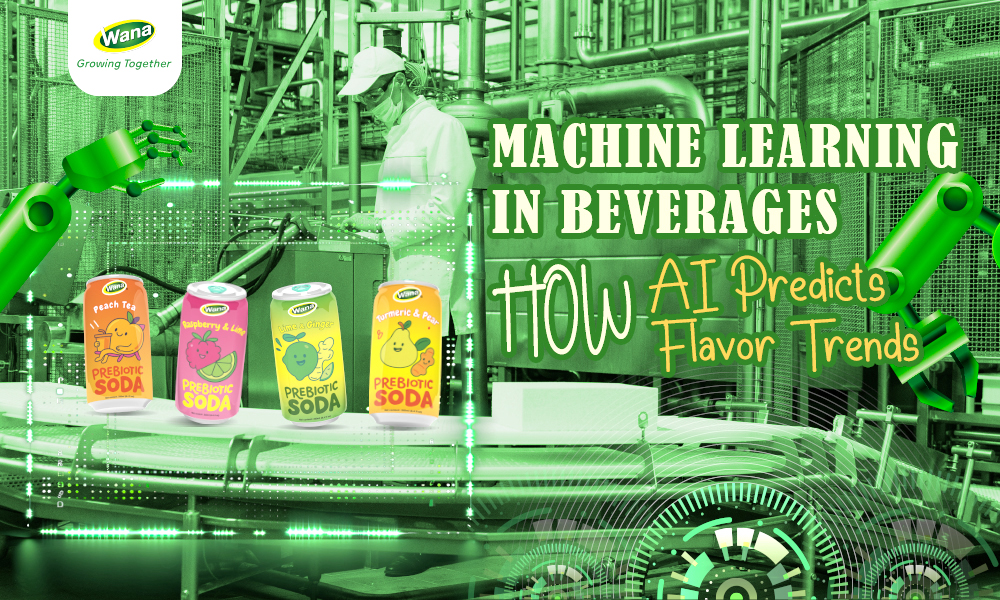
Why Your Next Favorite Drink Might Be Designed by an Algorithm
Have you ever stood in the beverage aisle and wondered how a brand decided that “Spiced Hibiscus Lime” was the next big thing? It feels like a trend, but behind the scenes, it’s actually a calculated masterpiece of data science.
For decades, beverage R&D was a grueling game of “trial and error.” Chemists and flavorists would spend months—sometimes years—mixing syrups, running expensive sensory panels, and hoping they didn’t have a “New Coke” disaster on their hands. It was slow, it was wasteful, and it was incredibly expensive.
But the industry is hitting a “digital refresh” button. Machine Learning is stepping out of the IT department and right into the laboratory, and it’s changing the way we think about flavor forever.
The Death of the “Guessing Game”
The traditional “Digital Transformation” of beverage innovation isn’t just about faster computers. It’s about a total shift in the workflow. Instead of mixing 50 physical samples to find one winner, companies are now using advanced analytics to simulate those 50 samples in a matter of seconds.
By integrating AI-driven systems into their R&D, brands can identify patterns in taste preferences and global market trends that a human might miss. Think of it as a “crystal ball” for consumer cravings. If a specific demographic is leaning toward less sugar but more “functional” botanical ingredients, the data flags it immediately.
The Rise of Machine Learning in Beverage Development
Artificial intelligence is transforming multiple industries, and beverage development is no exception. Beverage brands are integrating AI-driven systems into research and development processes to improve formulation accuracy.
Traditional beverage formulation often involves repeated sensory testing and ingredient adjustments. While effective, this process is time-consuming and resource-intensive.
Machine learning introduces a more efficient approach. By analyzing historical formulations and sensory datasets, algorithms identify patterns that influence flavor perception. These insights help developers focus on the most promising formulations, shortening development cycles and supporting faster product launches.
What Exactly is Predictive Taste Modeling?
It sounds like sci-fi, but it’s actually just smart math. Predictive modeling looks at how different ingredients play together.
Imagine you want to cut sugar but keep that specific mouthfeel people love. An AI model can scan thousands of variables—acidity, bitterness, aroma, and sweetness—to suggest a specific stevia-monk fruit blend that mimics real cane sugar.
The “Secret Sauce” of Data:
- The Chemistry: What’s actually in the liquid?
- The Senses: How does it smell and feel?
- The Crowd: What do people in specific regions actually buy?
When a developer wants to create, say, a new energy drink, the model can “forecast” the flavor outcome before a single drop of liquid is poured. It predicts the balance of acidity, bitterness, and aroma, allowing the team to refine the recipe digitally.
How Predictive Modeling Analyzes Flavor Data
Predictive models evaluate historical formulation data to simulate how new beverage concepts may taste. Developers can estimate balance across sweetness, acidity, bitterness, and aroma during early development stages.
For example, if a company wants to reduce sugar while maintaining sweetness perception, predictive modeling can recommend alternative ingredient combinations that achieve similar sensory results.
This capability makes predictive modeling an essential component of modern, data-driven beverage development.
The R&D Roadmap: From Data to Can
How does this actually look in a real lab? It’s a four-step dance:
- Hoarding Data: We gather everything—old recipes, failed experiments, and five-star reviews.
- Training the “Brain”: The algorithm learns that Ingredient A + Ingredient B usually equals a “too sour” rating from consumers.
- Simulating the Sip: We run “virtual tastings” on thousands of versions of a drink.
The Final Polish: Only the “winners” go to physical testing.
The Result? We aren’t just guessing anymore. We’re optimizing.
The adoption of machine learning beverages technology provides several advantages:
- Faster Product Development
Developers identify promising formulations quickly, reducing experimentation time. - Lower R&D Costs
Predictive insights minimize costly failed trials and repeated testing. - Improved Flavor Precision
AI tools help optimize ingredient interactions and flavor balance. - Personalized Beverage Concepts
Consumer data analysis enables region-specific and trend-driven product creation.
These benefits allow beverage companies to remain competitive in fast-moving markets.
Why Should the Industry Care?
Beyond just making a “tasty” drink, this technology is a massive competitive advantage. If you can cut your development cycle in half, you beat your competitors to the shelf.
- Speed: Go from concept to cooler in months, not years.
- Cost: Stop wasting expensive ingredients on batches that end up in the drain.
- Precision: If a specific region likes their tea less sweet, the data tells you exactly how much to dial it back
The Future is “Smart” Production
As we look ahead, these tools will only become more integrated. We are moving toward a world of “Smart Beverage Production” where ingredient supply chains, sensory data, and consumer reviews are all linked in one giant, intelligent loop.
The goal isn’t to replace the human flavorist—the “nose” and the “palate” of the expert are still irreplaceable. Instead, machine learning acts as a high-powered lens, helping those experts see further and create drinks that we actually want to buy.
The Conclusion is Simple: The future of the beverage aisle isn’t just about what’s in the bottle. It’s about the data that got it there..
Develop Your Next Beverage with Expert Support
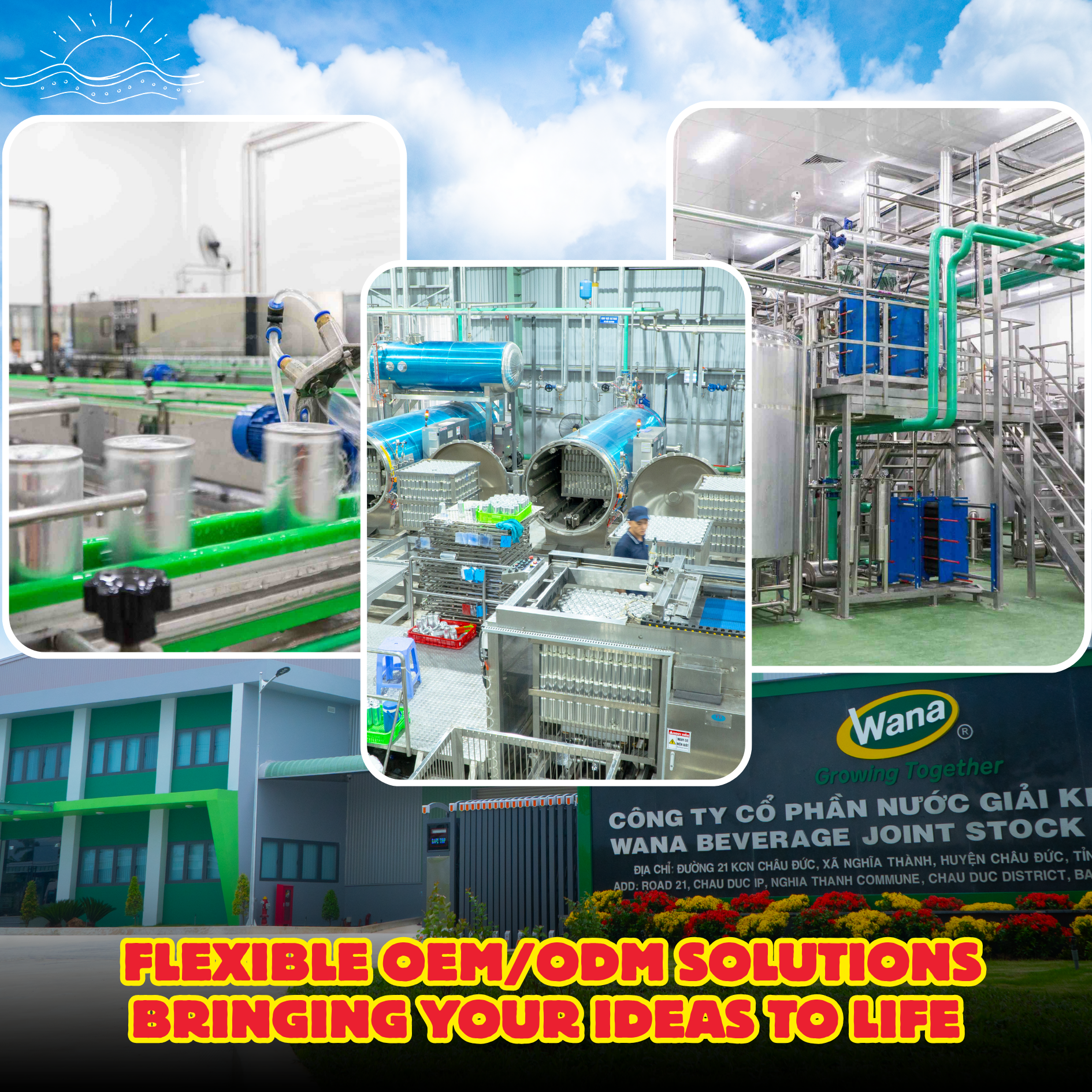
Looking to launch innovative beverage products for your brand?
Partner with an experienced beverage manufacturing company offering private label beverage production and OEM beverage factory services to bring your concepts to market efficiently.
Contact our team today to explore customized beverage development solutions.