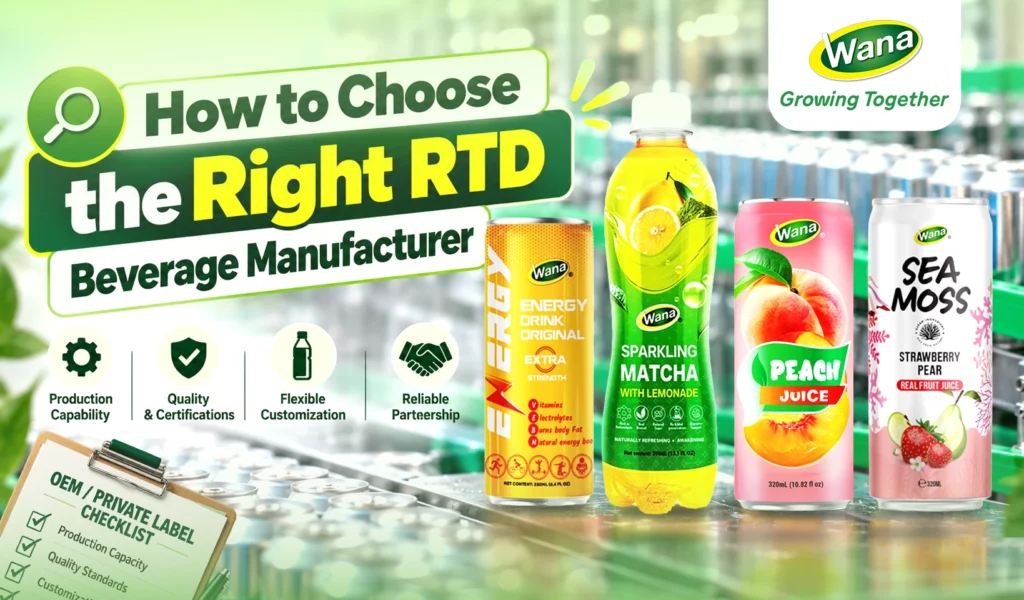
Choosing the right RTD Beverage Manufacturer is an important step for businesses looking to develop and expand their ready-to-drink beverage brands. From product formulation and packaging to quality control and production capacity, the right partner can help bring your beverage concepts to market while meeting your target customers’ expectations.
In this guide, we’ll explore different RTD beverage contract manufacturing models, key factors to evaluate when comparing suppliers, and common challenges to consider before choosing a manufacturing partner for your brand.
What is RTD beverage manufacturer
An Ready to drink (RTD) beverage manufacturer – is a company that produces ready-to-drink beverages, handling processes such as formulation, production, filling, and packaging. These manufacturers serve beverage brands, distributors, and businesses looking to develop their own products.
Depending on the product and business requirements, manufacturers can produce a wide range of RTD beverages, including fruit juices, tea, coffee, energy drinks, sparkling drinks, and functional beverages, through OEM, ODM, or private label services.

Types of RTD Beverage Contract Manufacturing
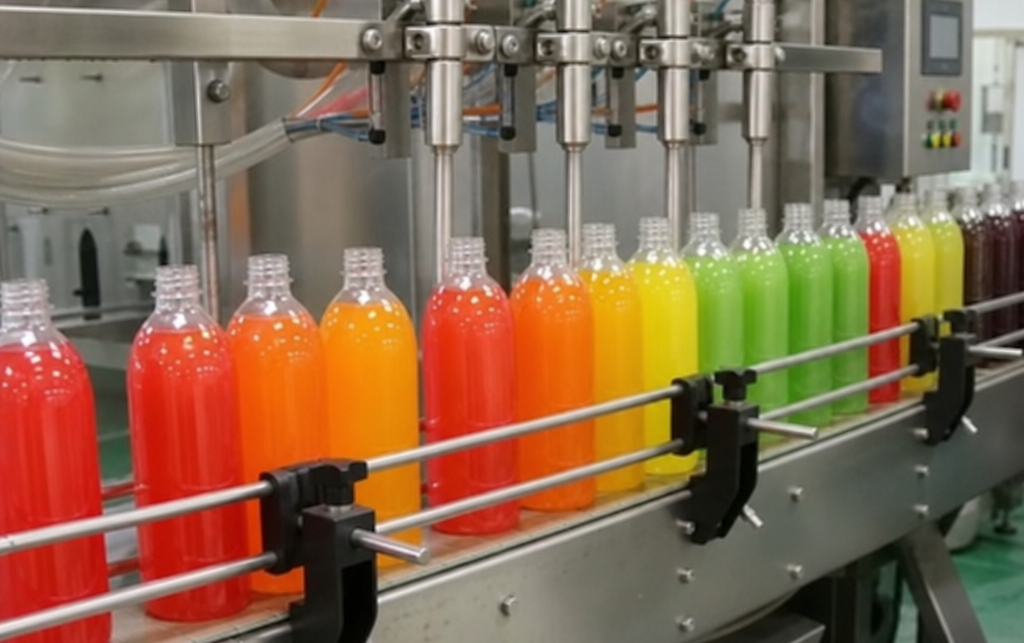
OEM RTD Beverage Manufacturing
OEM manufacturing allows brands to provide their own formulas and product specifications for ready to drink beverages, while the manufacturer handles production, filling, and packaging. This model is ideal for businesses with an established product concept looking for a reliable manufacturing partner.
ODM RTD Beverage Manufacturing
ODM manufacturing covers both product development and production. Manufacturers can help businesses develop RTD beverage formulas, select ingredients, and refine product specifications based on their brand concepts and target market requirements.
Private Label RTD Beverage Manufacturing
Private label manufacturing allows businesses to sell RTD beverages under their own brand names. Depending on the manufacturer’s capabilities, businesses can select existing formulations and customize labels, packaging, and other product details to align with their brand identity.
Key Factors to Evaluate When Comparing Ready to Drink Manufacturers
Choosing the right ready to drink beverage manufacturer involves more than comparing prices. Businesses should assess production capabilities, MOQ , customization options, food safety standards, and export readiness before selecting a manufacturing partner.
RTD Beverage Production Capabilities
Evaluate the manufacturer’s experience with your target beverage category, such as fruit juice, tea, coffee, energy drinks, sparkling beverages, or functional drinks. Check whether its production lines support your beverage formulation, processing requirements, filling formats, and expected order volumes.
MOQ and Lead Time
MOQ varies depending on the beverage type, packaging format, and customization requirements. Ask the rtd drinks manufacturer about its MOQ for PET bottles and aluminum cans, as well as sample development and production lead times. Confirming these details early helps you estimate costs, plan inventory, and schedule your product launch.
Food Safety Certifications and Quality Standards
Check whether the manufacturer holds relevant certifications, such as ISO 22000, HACCP, FSSC 22000, or Halal certification, according to your product and target market requirements. Verify the validity and scope of applicable certifications, along with quality control procedures, product testing, and shelf-life validation.
Custom Formulation and Packaging Options
Assess whether the manufacturer can customize beverage formulas, flavors, ingredients, sweetness levels, and nutritional profiles. Review available packaging options, including PET bottles and aluminum cans, as well as bottle sizes, label design, and private label capabilities.
Export Experience and Market Compliance
For international distribution, check the manufacturer’s experience with export documentation, product labeling, and destination-market regulations. Requirements may vary depending on ingredients, nutritional claims, processing methods, and packaging, so confirm compliance before production begins.
Common Challenges When Choosing an RTD Beverage Manufacturer
Choosing the right RTD beverage manufacturer can be challenging, especially for businesses launching a new product or entering an unfamiliar market. Understanding common supplier-related risks can help businesses make informed decisions and establish reliable manufacturing partnerships.
Unclear MOQ and Overall Production Costs
Minimum order quantities and production costs can vary depending on beverage type, packaging format, and customization requirements. Beyond unit prices, businesses should clarify sampling fees, packaging expenses, and other potential costs to avoid unexpected budget increases.
Inconsistent Product Quality and Limited Customization
Differences in ingredients, formulation, and processing methods can affect beverage taste, stability, and shelf life. Limited R&D capabilities may also prevent manufacturers from meeting specific flavor, ingredient, or nutritional requirements. Reviewing product samples, quality control procedures, and formulation capabilities can help businesses assess whether a supplier meets their expectations.
Production Delays and Limited Manufacturing Capacity
Long sample development periods, packaging material lead times, and inflexible production schedules can delay product launches. Some manufacturers may also struggle to accommodate increasing order volumes as a brand grows. Businesses should confirm production timelines, current capacity, and scalability before committing to a long-term partnership.
Export Compliance and Regulatory Risks
Ready to drink beverages sold internationally must meet applicable destination-market requirements. Incorrect labeling, unsupported product claims, or incomplete export documentation can result in additional costs and shipment delays. Businesses should verify relevant regulations and confirm product specifications and documentation before production begins.
Supplier Reliability and Formula Protection
A supplier’s online profile may not fully reflect its actual production capabilities or reliability. Businesses should review factory information, verify relevant documentation, and assess experience with similar projects. For custom beverage development, it is also important to clarify formula ownership, confidentiality arrangements, and the permitted use of proprietary product information.
WANA as Your RTD Beverage Manufacturing Partner
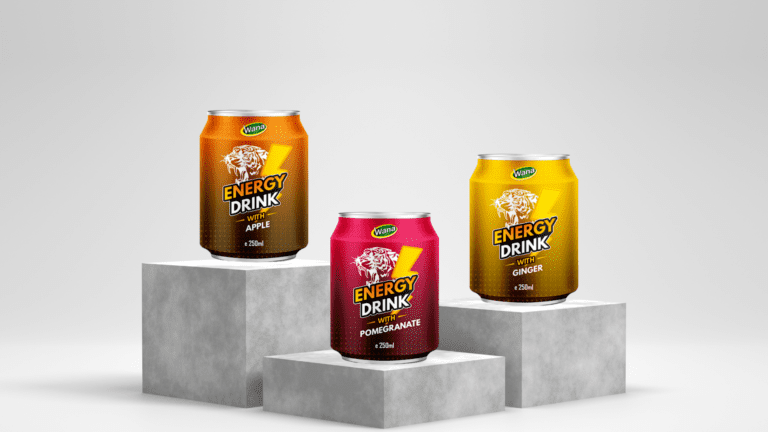
WANA Beverage is a Vietnam-based RTD beverage manufacturer offering OEM, ODM, and private label solutions for international brands, importers, and distributors. Our product portfolio includes a wide range of ready-to-drink beverages, such as fruit juices, coconut water, aloe vera drinks, energy drinks, sparkling beverages,…. Explore our full product range here.
With flexible product development and packaging options, WANA helps businesses customize beverage formulas, flavors, and packaging to suit their brand concepts and target markets. Our MOQ starts from one 20ft container, depending on the product and packaging requirements.
WANA also follows recognized food safety and quality standards, with certifications including ISO 22000, HACCP, Halal, GMP,FSSC,….subject to the applicable certification scope. These standards support our commitment to quality and food safety throughout beverage production.
Whether you are launching a new beverage brand or expanding your existing product range, WANA can support your project from product development to manufacturing.
Frequently Asked Questions About Choosing an RTD Beverage Manufacturer
What Should I Look for in an RTD Beverage Manufacturer?
Look for a manufacturer with experience in your beverage category, reliable quality control procedures, suitable production capacity, flexible customization options, and experience meeting your target market’s requirements. You should also evaluate MOQ, production lead times, and the manufacturer’s ability to support future growth.
What Is the Typical MOQ for RTD Beverage Manufacturing?
MOQ varies depending on the beverage type, packaging format, production requirements, and level of customization. Some manufacturers may require a minimum order equivalent to a full container, while others may offer different arrangements. Contact potential suppliers to confirm their MOQ for your specific product.
How Long Does It Take to Develop and Produce an RTD Beverage?
The lead time depends on factors such as formulation development, sample approval, packaging design, material availability, and production scheduling. Custom beverage projects may require additional time for product development and testing. Ask your manufacturer for an estimated timeline covering sample development, final approval, production, and delivery to help plan your product launch.
What Certifications Should an RTD Beverage Manufacturer Have?
Relevant food safety standards may include ISO 22000, HACCP, FSSC 22000, and Halal certification, depending on the product and target market. Buyers should verify the validity and scope of applicable certifications and check any additional regulatory requirements for their destination markets.
In Conclusion
Choosing the right RTD beverage manufacturer requires careful evaluation of production capabilities, product quality, customization options, MOQ, and export requirements. By assessing these factors, businesses can find a reliable partner to support their product development goals and long-term growth.
Ready to bring your beverage ideas to life? Contact WANA Beverage to discuss your next project and explore OEM, ODM, and private label solutions tailored to your brand.