Why Is Packaging No Longer Just a “Container”?
Its sustainability of the brand, enhanced user experience, and influence on branding are all reflected in this. With consumer pressures and regulations on the rise, along with environmental concerns, F&B companies are being compelled to reconsider their packaging methods.
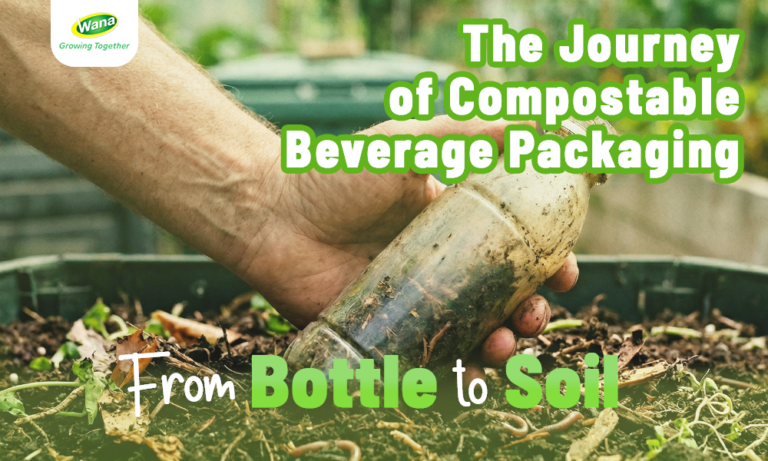
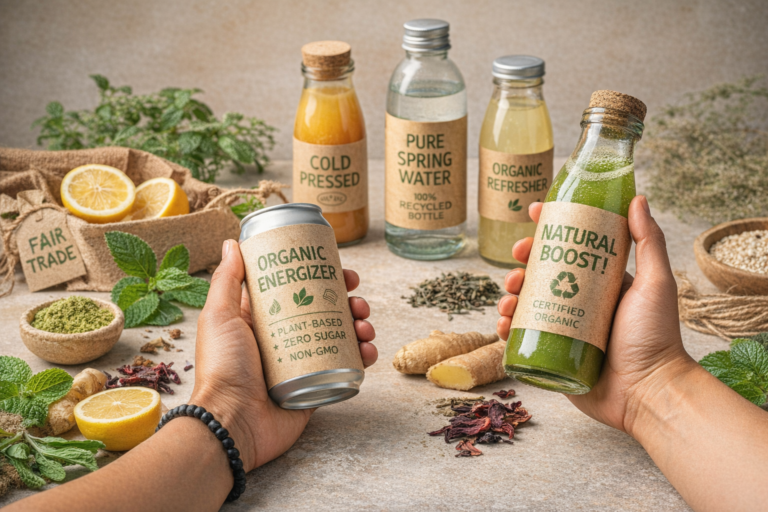
PLA bottles for beverages are emerging as an alternative packaging option for selected beverage applications, particularly for brands exploring bio-based and compostable packaging solutions. PLA is gaining attention as beverage brands explore new bio-based and compostable packaging options, although its suitability still depends on product requirements, cost, and end-of-life infrastructure. Why does this transition occur? Can you identify the current trends in PLA bottle usage?
What Are PLA Bottles and Why Are They Gaining Attention?
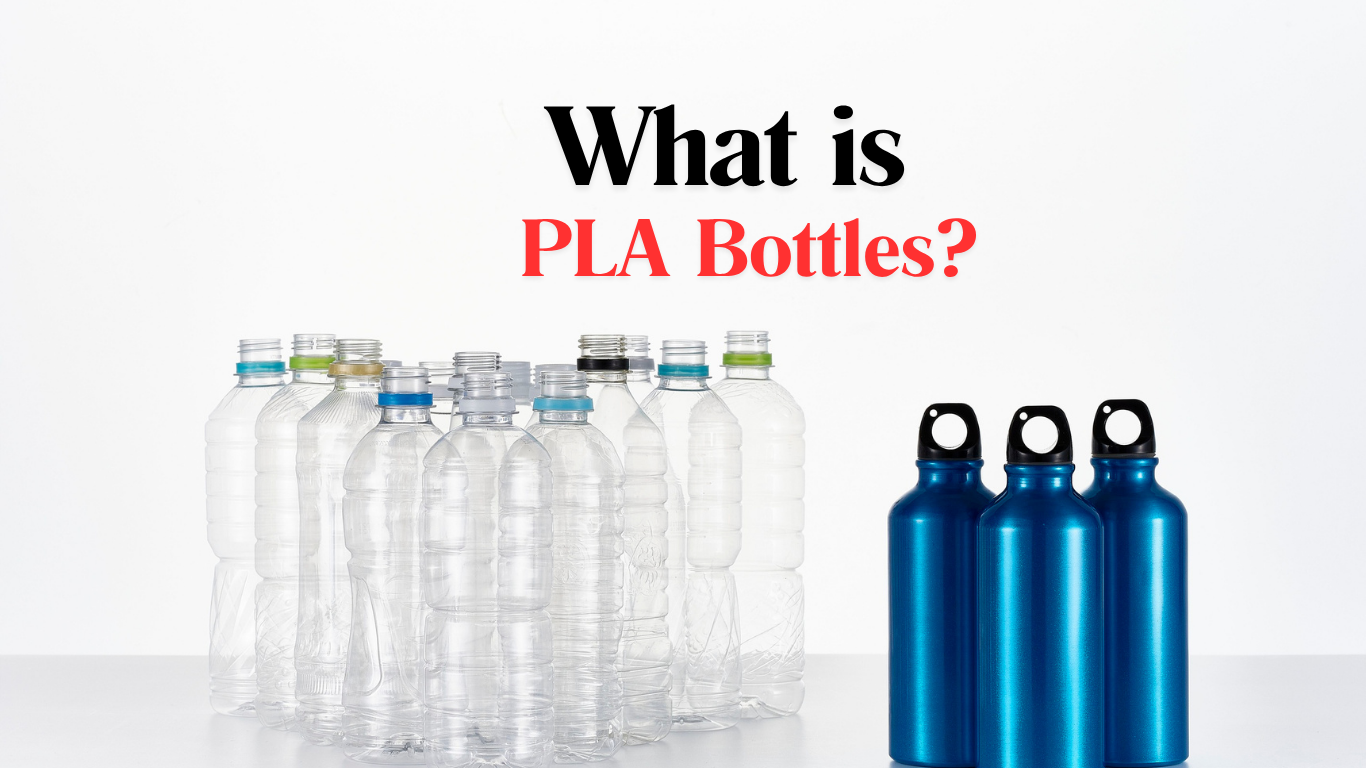
PLA (Polylactic Acid) is a bioplastic that originates from renewable resources like corn, sugarcane, or starch. Certain PLA packaging products are designed to break down under suitable industrial composting conditions. PLA bottles can be considered for selected beverage categories such as fruit juices, tea, and functional beverages, depending on factors including formulation, filling conditions, shelf life, and packaging requirements.
What makes PLA stand out:
- Plant-based origin
- Clear “green” positioning
- Alignment with sustainable consumption trends
However, PLA is not a perfect solution. To apply it effectively, businesses need to clearly understand both its advantages and limitations.
Read more: Top 7 Beverage Packaging Innovations Brands Can’t Ignore in 2026
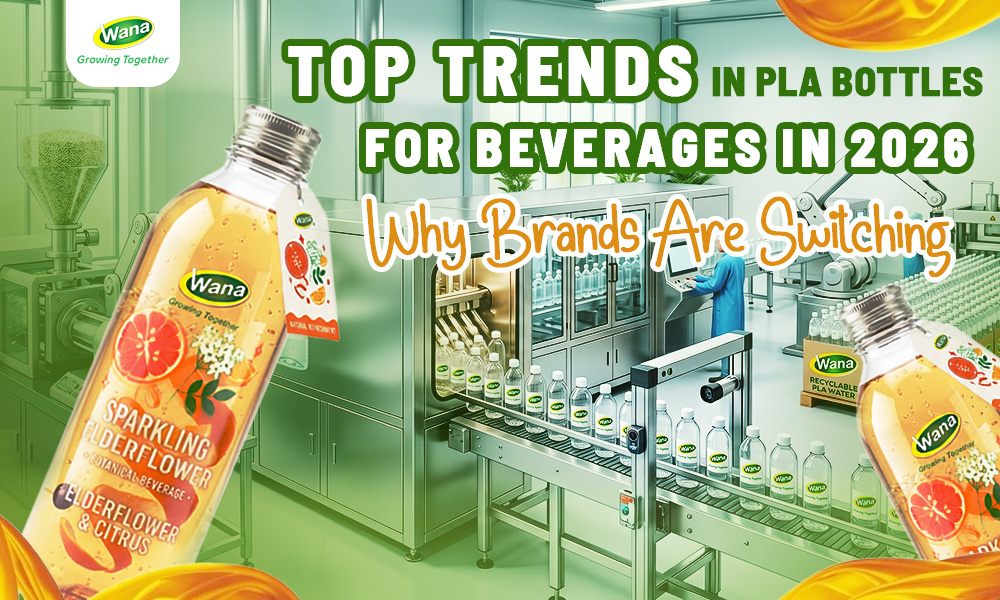
What are Top Trends in PLA Bottles for Beverages in 2026?
Sustainability Pressure Is Rapidly Increasing
Sustainability is becoming an increasingly important consideration in beverage packaging, driven by regulatory developments, retailer expectations, and consumer demand. Governments around the world are tightening regulations on single-use plastics, while consumers are increasingly concerned about the environmental impact of the products they use.
In Vietnam as well as globally:
- Gen Z and Millennials increasingly consider environmental factors when evaluating products and brands.
- F&B companies are facing strong ESG pressure from international partners
This creates a strong push for sustainable packaging solutions such as PLA, rPET bottles, or beverage cartons.
Strong Growth of Functional & Premium Beverages
One of the key drivers of PLA bottles for beverages is the growth of functional and premium drink categories:
- Kombucha
- Prebiotic soda
- Cold-pressed juice
- Sea moss drinks
- Clean-label beverages
These products do not only sell nutritional value but also sell a “lifestyle”.
Therefore, packaging needs to reflect:
- Natural-looking
- Transparent
- Sustainability-focused
PLA bottles can support this positioning when their performance and end-of-life requirements are appropriate for the product and target market.
Growing Interest in Compostable Packaging
Recyclable packaging remains an important part of sustainable beverage packaging, but some brands are also exploring compostable materials for selected applications. PLA has gained attention because certain PLA products are designed for industrial composting under controlled conditions.
However, compostable packaging does not automatically provide a better end-of-life solution. Its environmental benefits depend on appropriate collection, sorting, and composting infrastructure in the target market.
Advancements in PLA Technology
In the past, businesses faced several challenges when using PLA packaging, such as low heat resistance, limited durability, and difficulty in application across different beverage types. These issues made companies hesitate to adopt this solution.
Recent developments in PLA materials and processing technologies are improving their performance for selected beverage packaging applications. Improvements in areas such as heat resistance, mechanical strength, and processing compatibility may expand the range of applications, although performance still depends on the specific PLA grade and beverage requirements.
This opens up great opportunities for businesses to apply PLA across a wider range of beverage segments, no longer limited to niche markets.
Packaging Becomes a Powerful Marketing Tool
Today, packaging is not just for containing products—it is part of the brand story.
A PLA bottle can communicate strong messages such as:
- “We care about the environment”
- “Our products are naturally sourced”
- “Our products support a sustainable lifestyle”
In today’s market, this becomes a strong advantage and a valuable point for consumers, especially for brands aiming to build a premium image for modern lifestyles.
Why Are Beverage Brands Switching to PLA Bottles?
Building a Green Brand Image
Consumer perspectives are changing. Today, people do not just buy products—they buy values, health, and awareness.
PLA packaging can support a brand’s sustainability positioning, particularly when the material choice, product performance, and end-of-life pathway are clearly communicated and appropriate for the target market.
This is especially important for:
- Export brands
- Brands targeting Gen Z
- Premium brands
Meeting International Regulations and Standards
Major markets such as the EU, the US, and Japan are tightening regulations on plastic packaging. Using suitable sustainable packaging can help brands respond to evolving packaging requirements in different markets. However, PLA alone does not guarantee regulatory compliance, and requirements vary by country and application.
Meeting Consumer Demand
Consumers are changing rapidly. They care more about product origins, read packaging more carefully, prioritize eco-friendly packaging, and tend to “vote with their wallet”.
Therefore, PLA can become part of a brand’s sustainability strategy when its environmental benefits and limitations are communicated clearly.
Creating Competitive Advantage
In a highly competitive market, differentiation is key. A brand using PLA can:
- Stand out on the shelf
- Attract consumer attention
- Increase brand recall
Preparing for the Long-Term Future
PLA may not be perfect at the moment, but it is part of a bigger trend: bio-based materials and the circular economy.
Early evaluation can help brands understand the cost, performance, and infrastructure requirements before making a larger packaging transition.
PLA vs PET vs rPET: Which Is Right for Your Beverage Brand?
| Factor | PLA | PET | rPET |
|---|---|---|---|
| Material source | Bio-based | Fossil-based | Recycled PET |
| Compostability | Industrial conditions | No | No |
| Recyclability | Depends on local system | Widely recyclable | Recyclable |
| Cost | Generally higher | Generally lower | Varies |
| Heat resistance | Application-dependent | Good | Application-dependent |
| Best suited for | Selected sustainable concepts | Wide range of beverages | Brands seeking recycled content |
What Are Challenges of Using PLA Bottles?
Higher Cost Than PET
PLA is produced from corn or cassava, and the processing is more complex. At large scale, businesses may face limited raw material supply and higher processing costs. PLA can have a higher material and processing cost than conventional PET, although actual costs vary depending on material grade, bottle design, production volume, and supply conditions.
Dependence on Industrial Composting Systems
PLA is generally designed to break down under controlled industrial composting conditions rather than in ordinary natural environments. It should not be assumed to quickly break down when discarded in ordinary waste streams or natural environments. To achieve full environmental benefits, proper composting infrastructure is required.
Recycling Risks
If waste is not properly sorted, PLA can contaminate traditional plastic recycling streams (such as PET or PP), affecting the quality of recycled materials.
What Should Beverage Brands Consider Before Switching to PLA Bottles?
Switching to PLA requires more than simply replacing a conventional bottle with a compostable alternative. Beverage brands should evaluate the following factors before making a packaging decision:
- Product compatibility: Consider the beverage formula, filling temperature, shelf life, and barrier requirements to determine whether PLA is suitable.
- Clear sustainability communication: Clearly explain the packaging’s material and disposal requirements to avoid misleading consumers about terms such as “biodegradable” and “compostable.”
- Packaging strategy: Evaluate PLA alongside other options such as PET, rPET, aluminum, or other sustainable materials based on the target market and product positioning.
- Production and cost: Assess bottle performance, production requirements, MOQ, and total packaging costs before moving to commercial production.
- End-of-life infrastructure: Check whether suitable collection and industrial composting facilities are available in the target market.
- Reliable manufacturing support: Work with an experienced beverage manufacturer that can evaluate packaging compatibility and support product development, testing, and commercial production.
Read more: Beverage Carton Sustainability: Benefits, Challenges, and Opportunities for Businesses
WANA Beverage – OEM/ODM Beverage Manufacturing in Vietnam
As beverage brands explore new packaging formats, choosing the right manufacturing partner is essential for balancing product performance, packaging requirements, cost, and market compliance.
WANA Beverage provides OEM, ODM, and private label beverage solutions, supporting brands from product development and formulation to packaging, manufacturing, quality control, and export. The company works with different beverage categories and packaging formats based on product specifications and target-market requirements.
For brands considering sustainable packaging options, WANA can support the product development process by evaluating packaging requirements alongside formulation, production conditions, shelf life, and market needs.
Frequently Asked Questions
Are PLA bottles suitable for all beverages?
No. Suitability depends on the beverage formulation, filling conditions, shelf life, and packaging performance requirements.
Are PLA bottles compostable?
Some PLA products are designed for industrial composting under controlled conditions. Brands should check the specific product and applicable certification requirements.
Are PLA bottles recyclable?
PLA recycling depends on the available collection and processing infrastructure in the target market. It should not automatically be placed in conventional PET recycling streams.
Are PLA bottles more expensive than PET bottles?
PLA can be more expensive than conventional PET, but actual costs depend on material, bottle design, production volume, and supply conditions.
Should beverage brands switch from PET to PLA?
Not necessarily. The right packaging depends on the beverage, target market, cost, performance, regulatory requirements, and available end-of-life infrastructure.
Conclusion
PLA bottles for beverages are no longer just a temporary trend. They reflect a major shift in the beverage industry—from production thinking to sustainability thinking.
Although challenges remain in terms of cost and infrastructure, PLA is gradually establishing its role in the future of beverage packaging.
For beverage brands, the key question is not simply whether to switch to PLA, but whether PLA is the right packaging solution for the product, target market, production requirements, and end-of-life system.
As sustainable packaging options continue to evolve, brands should evaluate PLA alongside alternatives such as PET, rPET, aluminum, and other packaging formats to find the right balance between performance, cost, sustainability, and regulatory requirements.