Rising costs, changing trade policies, and ongoing supply chain challenges are encouraging many U.S. Beverage brands to rethink their manufacturing strategies. While product quality remains essential, businesses are also looking for ways to improve cost efficiency and reduce operational risks.
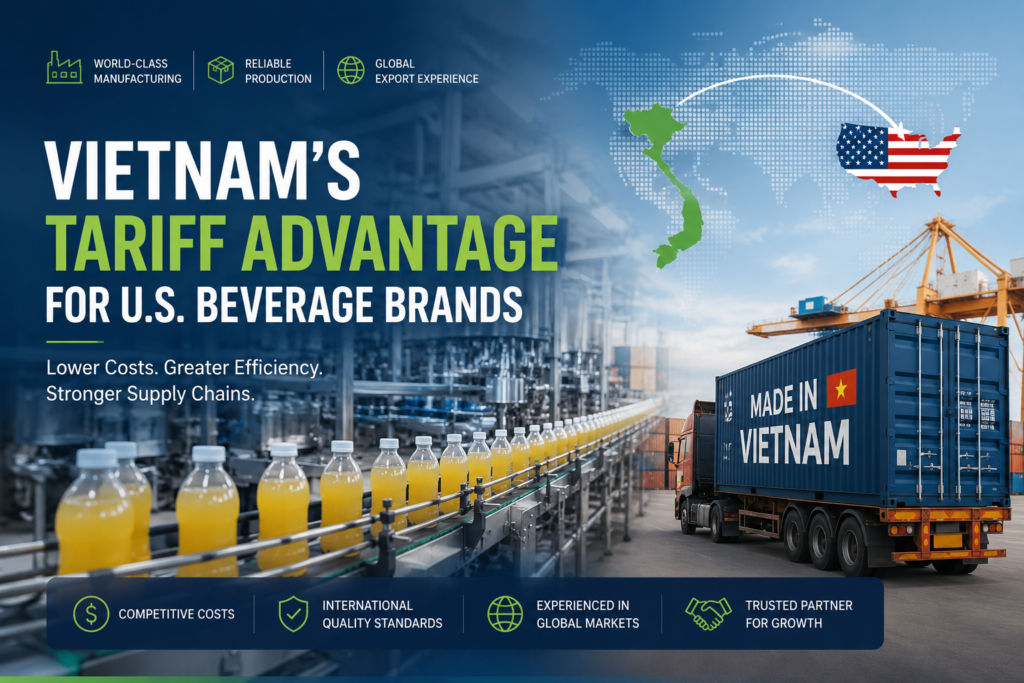
As a result, Vietnam has emerged as a strong manufacturing destination for beverage brands. In addition to competitive production costs, the country offers growing export expertise, modern production capabilities, and potential tariff-related advantages that can support long-term business growth. For companies looking to scale efficiently, Vietnam OEM beverage manufacturing is becoming an increasingly attractive option.
Why Tariffs Matter in Beverage Manufacturing
When evaluating manufacturing options, many beverage companies focus primarily on production costs. However, the true cost of bringing a product to market involves much more than the factory price. Shipping expenses, warehousing fees, regulatory compliance, and import duties all contribute to the final landed cost of a product.
For beverage brands selling in the United States, tariffs can have a direct impact on profitability. Even relatively small changes in import duties may affect pricing strategies, profit margins, and long-term planning. Because of this, more companies are taking a broader view of their supply chains and looking beyond manufacturing costs alone.
For example, a beverage brand may find a competitive production price in one country, but additional duties and logistics expenses can significantly increase the final cost once the product reaches distributors or retailers. This is why sourcing decisions today are often based on overall supply chain efficiency rather than manufacturing costs alone.
At the same time, global trade conditions continue to evolve. Companies that build flexible supply chains are often better positioned to adapt to market changes while maintaining stable operations. This has led many beverage brands to explore new manufacturing destinations that can offer both cost advantages and long-term reliability.
Why U.S. Beverage Brands Are Expanding Their Manufacturing Options
Over the past several years, rising production costs, changing trade policies, and ongoing supply chain disruptions have encouraged many beverage companies to reevaluate their manufacturing strategies. While product quality remains a top priority, businesses are also looking for ways to improve cost efficiency and build greater flexibility into their supply chains.
Because of this, many U.S. beverage brands are no longer relying on a single manufacturing location. Instead, they are exploring additional production partners that can help support growth, reduce risk, and create more stability when market conditions change.
Vietnam has become one of the countries attracting attention during this shift. Supported by continued investment in manufacturing infrastructure, production technology, and export capabilities, the country has developed into an increasingly attractive option for international brands.
For beverage companies, Vietnam offers more than competitive production costs. The country has a growing beverage manufacturing sector, experience serving export markets, and access to regional supply chains. In addition, its location in Southeast Asia supports efficient sourcing and global distribution, making it easier for brands to manage production and international shipments.
As a result, more beverage companies are including Vietnam in their long-term manufacturing plans. While every business has different priorities, many brands are exploring Vietnam as part of a broader effort to improve supply chain flexibility, manage costs, and adapt to changing global trade conditions.
Understanding the Vietnam OEM Beverage US Tariff Advantage
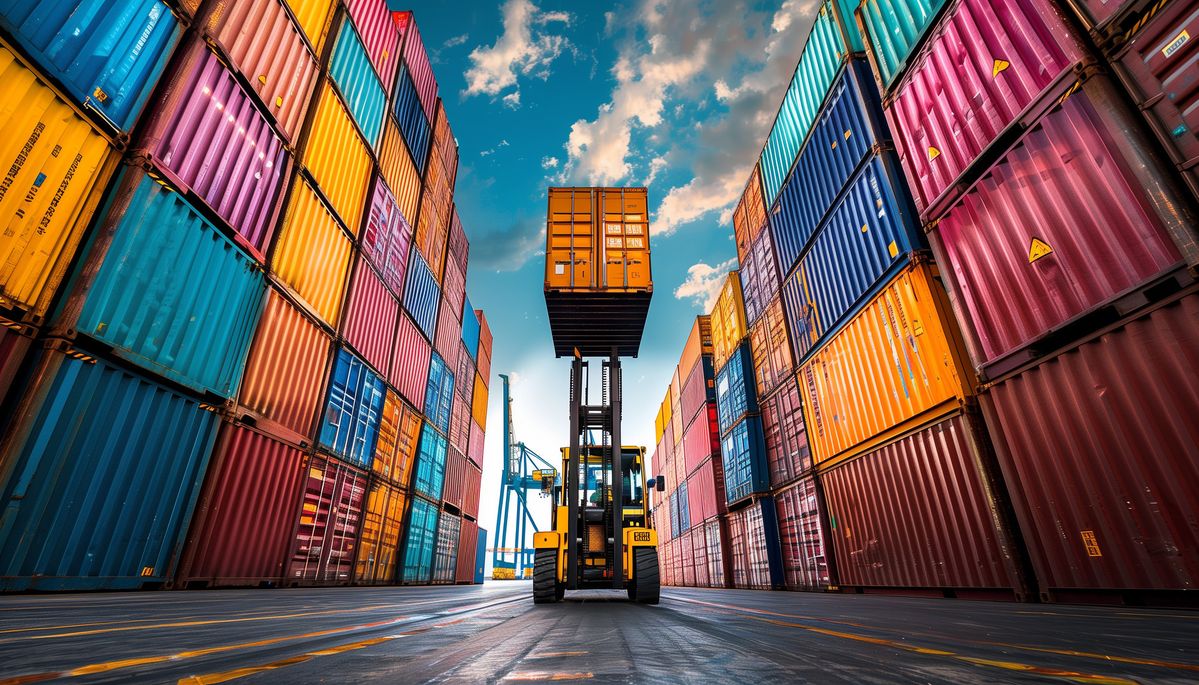
While production costs often receive the most attention, many beverage companies are increasingly evaluating their overall landed cost. This includes manufacturing expenses, logistics, compliance requirements, and import duties. As a result, tariff considerations have become an important part of sourcing decisions, particularly for brands competing in highly competitive markets such as the United States.
Competitive Manufacturing Costs
One reason Vietnam continues to attract international beverage brands is its competitive manufacturing environment. Compared with many developed markets, production costs remain attractive while quality standards continue to improve. This allows companies to manage expenses more effectively while maintaining product consistency and consumer satisfaction.
Lower operating costs can also provide greater flexibility when brands are planning future expansion. Instead of allocating resources solely to production, companies may invest more heavily in marketing, distribution, product development, or customer acquisition activities that support long-term growth.
Growing Export Experience
Another advantage is Vietnam’s growing experience in international trade. Many beverage manufacturers already export products to North America, Europe, Australia, and other global markets. This experience helps simplify documentation, quality control, and regulatory compliance, making it easier for brands to bring products to market efficiently.
Manufacturers that regularly serve international customers also tend to have stronger systems for managing export requirements. This can help reduce delays, improve communication, and create a smoother overall experience for beverage brands entering or expanding within global markets.
Modern Production Capabilities
Vietnam also continues to invest heavily in modern manufacturing technology. Automated production lines, advanced quality control systems, and internationally certified facilities enable manufacturers to meet the expectations of global customers.
For beverage brands, this means they can benefit from competitive production while maintaining the quality standards required in international markets. Whether producing coconut water, juice drinks, energy drinks, sparkling beverages, or functional beverages, modern facilities help ensure consistency from one production batch to the next.
Rather than focusing on tariffs alone, many businesses see Vietnam as offering a combination of advantages that contribute to lower overall operating costs, improved efficiency, and stronger long-term competitiveness.
Beyond Tariffs: Additional Benefits of Working With a Vietnam OEM Beverage Manufacturer
While tariff-related considerations may initially attract attention, many brands discover that the benefits of working with a Vietnam OEM beverage manufacturer extend far beyond cost savings.
OEM, ODM, and Private Label Flexibility
Whether a company is launching a new product or expanding an existing beverage line, OEM manufacturers can provide support throughout the development process. This may include formulation assistance, packaging recommendations, production planning, and regulatory guidance.
Many manufacturers also offer ODM and private label solutions, allowing brands to bring products to market more quickly without investing in their own production facilities. This can significantly reduce both time and upfront investment while providing access to experienced product development teams.
As consumer preferences continue to evolve, this flexibility becomes increasingly valuable. Brands can respond more quickly to market trends and test new product concepts without taking on the financial burden of building manufacturing infrastructure.
International Certifications and Quality Standards
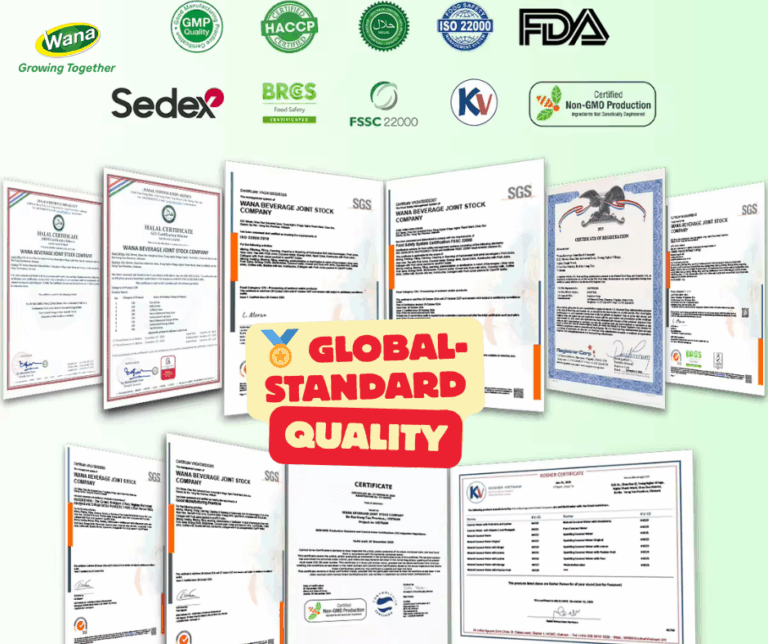
International certifications such as FDA registration, HACCP, FSSC 22000, BRCGS, and Halal certification provide confidence that products are manufactured according to globally recognized standards.
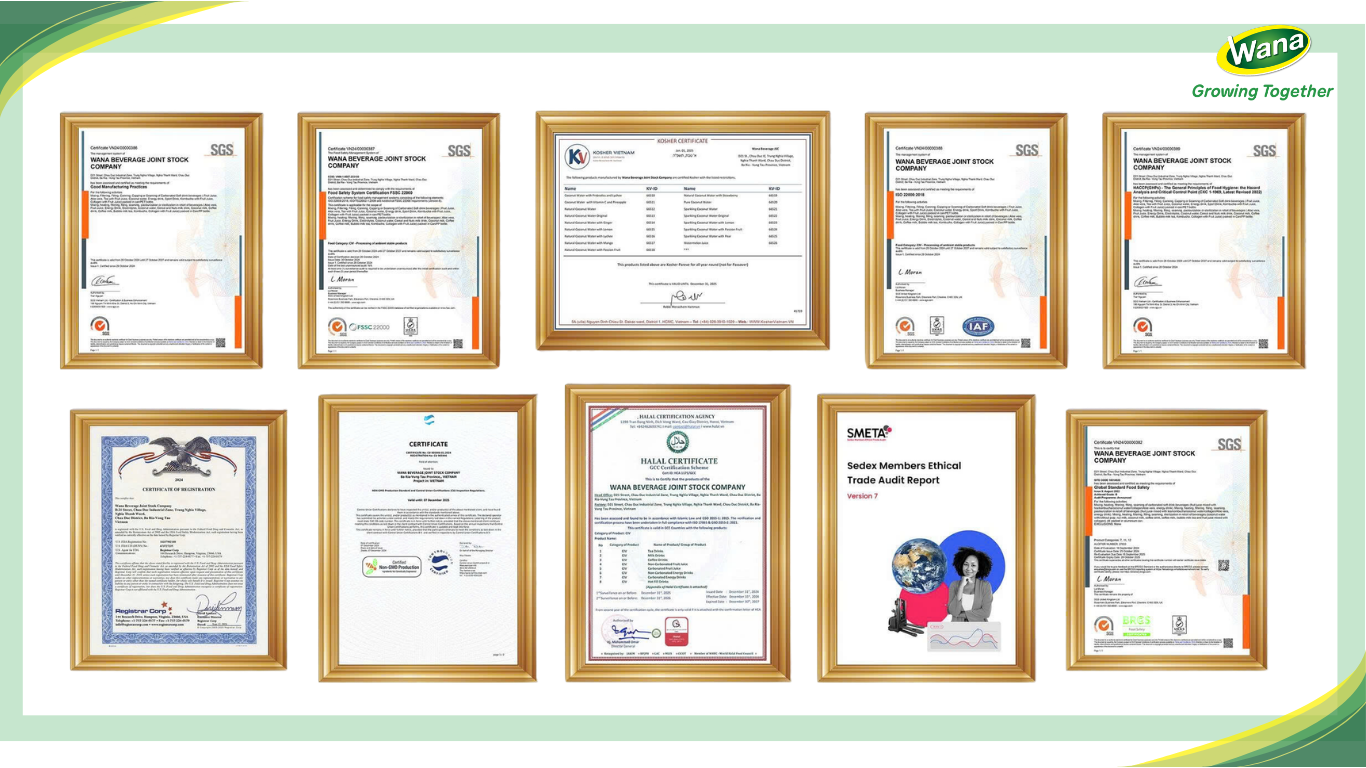
For companies seeking distribution in multiple markets, these certifications can simplify market entry and strengthen credibility with buyers, distributors, and retail partners. They also demonstrate a commitment to product safety, quality control, and operational excellence.
As a result, many companies find that the value of a strong manufacturing partnership goes far beyond production costs alone.
How to Choose the Right Beverage Manufacturing Partner in Vietnam
Selecting the right manufacturing partner is one of the most important decisions a beverage brand can make. While pricing is an important consideration, it should never be the only factor in the decision-making process.
A strong manufacturing partner should have proven export experience and a clear understanding of international quality requirements. This is particularly important for brands targeting markets with strict regulatory standards.
Product development capabilities also deserve careful evaluation. A manufacturer that can assist with formulation, testing, and product optimization can provide valuable support throughout the life of a product. This becomes especially important when brands are looking to create unique beverages that stand out in a crowded marketplace.
Scalability is another factor that should not be overlooked. A manufacturer may be able to support an initial launch, but can they handle larger production volumes as demand grows? Working with a partner that can scale alongside your business helps create greater stability over the long term.
Finally, transparency and communication remain essential. Strong partnerships are built on trust, responsiveness, and shared goals. When communication is clear, product development and production become more efficient, helping both parties achieve better results.
Why Wana Beverage Supports Global Beverage Brands
At Wana Beverage, we understand that successful beverage brands need more than manufacturing capacity. They need a partner that can support growth, maintain quality, and adapt to changing market conditions.
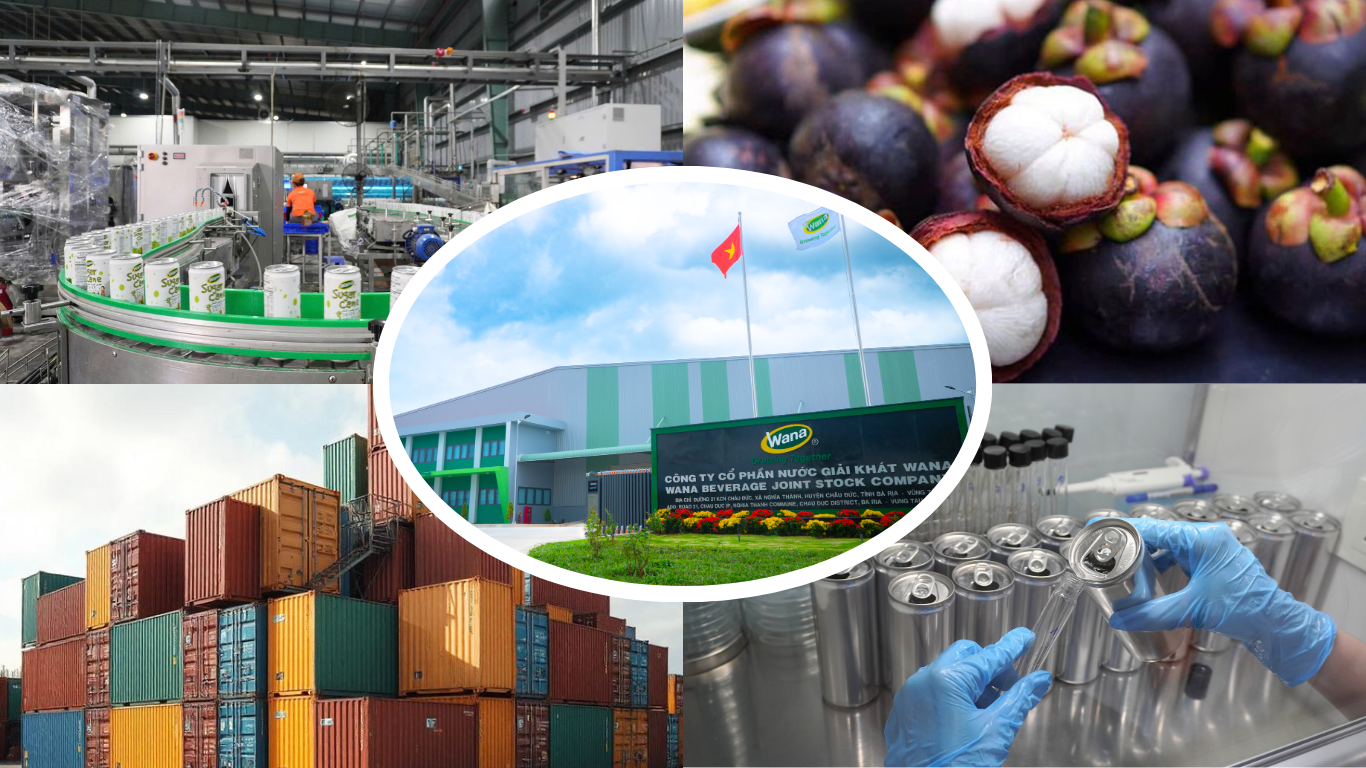
Our OEM, ODM, and private label manufacturing solutions are designed to help beverage brands bring products to market efficiently while maintaining high standards of quality and consistency. With modern facilities, international certifications, and experience serving global customers, we support businesses throughout every stage of product development and commercialization.
From beverage formulation and packaging selection to production and export preparation, our team works closely with customers to develop solutions that align with their business objectives. We understand the challenges brands face when managing costs, quality expectations, and supply chain performance, and we are committed to helping customers navigate those challenges with confidence.
Why Vietnam Continues to Attract Global Beverage Brands
As global trade conditions continue to evolve, beverage brands are placing greater emphasis on cost efficiency, supply chain flexibility, and long-term business resilience. While tariffs are only one factor in manufacturing decisions, they can have a meaningful impact on profitability and competitiveness.
Combined with competitive production costs, growing export expertise, and modern manufacturing capabilities, Vietnam continues to strengthen its position as an attractive destination for beverage manufacturing. For U.S. brands looking to build a more efficient and resilient supply chain, Vietnam OEM beverage manufacturing offers opportunities that extend well beyond production alone.
By partnering with the right manufacturer and taking a long-term approach to sourcing, beverage companies can create a stronger foundation for sustainable growth in an increasingly competitive global marketplace.