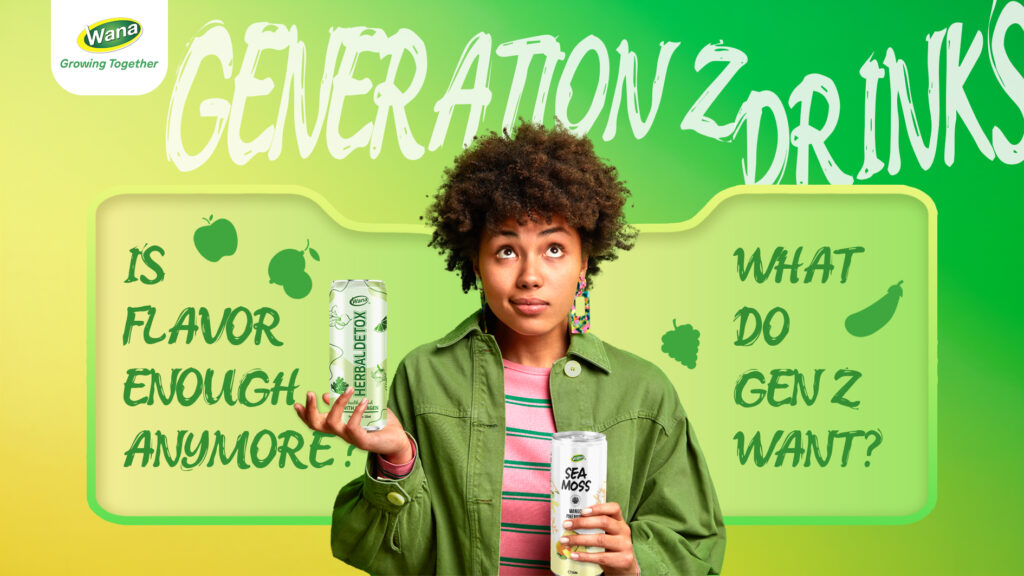
Youth market beverages are no longer driven by flavor alone. For Gen Z, a drink must deliver measurable functional value and reflect personal beliefs through packaging.
This generation evaluates beverages instantly. If the function feels vague or the packaging feels inauthentic, the product is dismissed.
In today’s youth market beverages landscape, formulation and packaging must operate as a unified strategy — not separate decisions.
What Are Youth Market Beverages?
Youth market beverages are drinks specifically developed to meet the preferences, lifestyles, and values of younger consumers, particularly Generation Z and Generation Alpha. Unlike traditional soft drinks, these beverages are no longer judged solely by taste. Today’s young consumers look for products that offer functional benefits, natural ingredients, eye-catching packaging, and a brand story they can relate to.
Health consciousness, social media influence, and sustainability have become major factors shaping purchasing decisions. As a result, beverage categories such as functional drinks, sparkling fruit beverages, botanical infusions, low-sugar sodas, energy drinks, and wellness-focused products continue to gain popularity among younger audiences.
For beverage brands, understanding these evolving preferences is essential. Developing products that combine great taste with functionality, innovative packaging, and strong brand identity can help capture the attention of the next generation of consumers and build long-term brand loyalty.
Read more: Generation Z Drinks: What Is Gen Z Drinking in 2026?
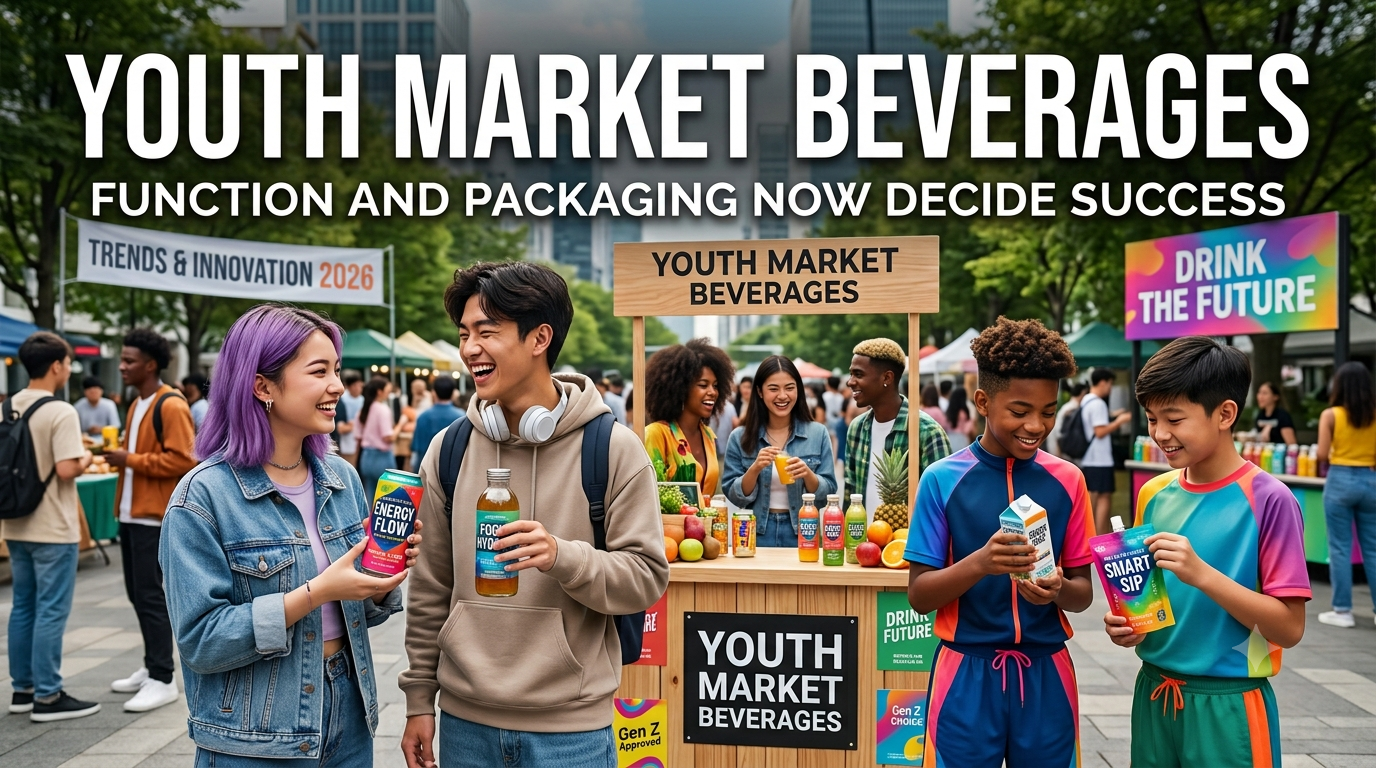
The Functional Shift Reshaping Youth Market Beverages
Gen Z approaches beverages as daily performance tools rather than occasional indulgences. Instead of treating drinks as simple refreshments, they expect beverages to contribute to focus, wellness, recovery, or overall health.
Consequently, youth market beverages are evolving into functional products that support both physical and mental performance. Brands that understand this shift are repositioning beverages as part of everyday routines rather than occasional treats.
Mental Performance Over Stimulation
Energy is being redefined. Instead of sugar spikes and caffeine overload, Gen Z prioritizes calm focus and sustained clarity.
You’re starting to see adaptogens like ashwagandha and rhodiola show up more in beverages, along with ingredients like L-theanine. They’re often used in drinks designed to help with stress and focus, especially for people who want better mental clarity without feeling overstimulated.
As a result, beverage brands that rely solely on high-stimulation formulas risk losing relevance among younger consumers who prefer balanced functional benefits.
Gut Health and Preventative Wellness
Preventative wellness has become a core driver in youth market beverages. Rather than responding to illness, Gen Z consumers aim to maintain health through daily habits.
Products such as kombucha, prebiotic sodas, and probiotic-enhanced drinks reflect this mindset. These beverages are viewed not as niche wellness items but as part of a regular lifestyle.
Meanwhile, immunity-supporting ingredients like ginger, turmeric, and functional vitamins are increasingly associated with everyday health maintenance.
In this environment, specificity builds trust. Clear ingredient benefits are far more effective than vague wellness claims.
Hydration and Fitness Trends in Youth Market Beverages
Gen Z integrates physical movement into everyday life. Whether through gym workouts, recreational sports, or casual fitness activities, hydration and recovery are constant needs.
As a result, youth market beverages increasingly include functional elements such as:
Electrolyte-enhanced hydration drinks
Plant-based protein beverages
Collagen blends for recovery and wellness
BCAA formulations for muscle support
Convenience remains critical. Functional beverages must support active lifestyles while maintaining ingredient transparency and easy consumption.
Clean Labels Are Non-Negotiable
Clean formulation is now a baseline requirement in youth market beverages.
Artificial additives, synthetic colors, and overly technical ingredient lists quickly erode consumer trust. Gen Z consumers read labels carefully and expect recognizable ingredients that align with their health values.
Therefore, beverage brands competing in this market must prioritize transparency in formulation. Clean labels are not simply a marketing tactic; they are essential for credibility.
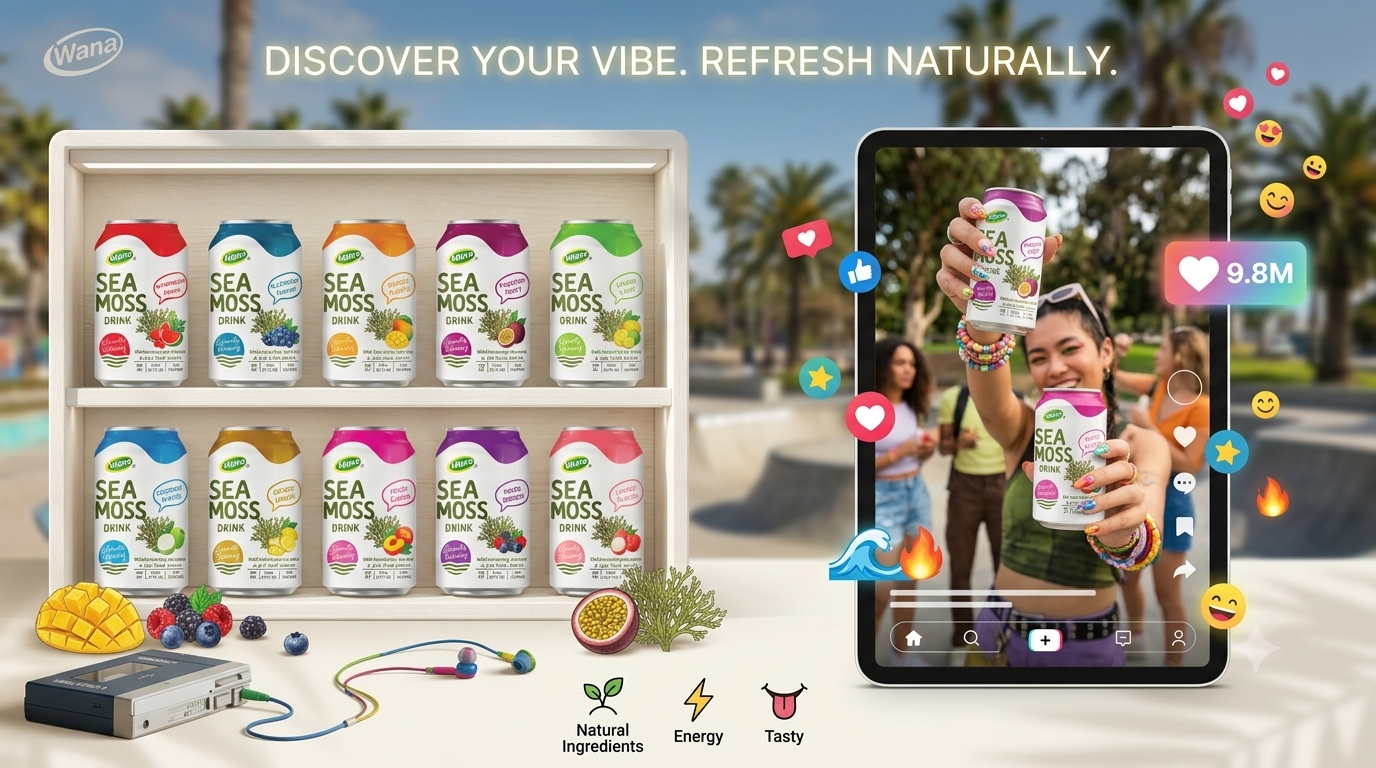
Why Packaging Drives Purchase in Youth Market Beverages
Packaging often acts as the first filter in youth market beverages.
Within seconds, Gen Z evaluates whether a product aligns with their identity and values. Design, materials, and messaging must immediately reinforce the beverage’s functional purpose.
If packaging contradicts the product’s positioning, credibility collapses. Even a strong formulation can struggle if the packaging fails to communicate authenticity.
Sustainability Is Expected, Not Optional
Sustainability is no longer a differentiator in youth market beverages; it is a basic expectation.
Consumers increasingly look for packaging that demonstrates environmental responsibility through:
- Recycled materials
- Biodegradable components
- Reduced plastic usage
- Clear recycling instructions
However, superficial environmental messaging is quickly identified. Authentic sustainability efforts strengthen long-term brand credibility, while performative claims often create skepticism.
Packaging as Identity and Signal
Youth market beverages often function as lifestyle statements.
Minimalist design, bold typography, and intentional color systems help products stand out both on retail shelves and in digital environments. Social media visibility also plays a major role in product discovery.
Nevertheless, authenticity remains essential. Overly polished or corporate aesthetics can feel disconnected from Gen Z expectations.
Packaging must therefore reflect real brand values rather than simply imitating trends.
Transparency Through Design
Packaging is increasingly becoming a platform for transparency.
QR codes that link to ingredient sourcing, production practices, or sustainability initiatives allow consumers to verify brand claims directly. Certifications such as B Corp status or carbon-neutral labeling can also strengthen credibility.
In modern youth market beverages, packaging is no longer decorative. Instead, it acts as proof of brand commitments and operational integrity.
The Critical Alignment: Function and Packaging
The defining factor in youth market beverages is alignment.
For example, a beverage positioned for stress relief cannot rely on environmentally harmful packaging without undermining its message. Likewise, sustainable packaging cannot compensate for artificial or unclear formulations.
Gen Z evaluates products holistically. When function, materials, and messaging align, trust builds quickly. When they conflict, skepticism appears just as fast.
Therefore, siloed development between research teams, packaging designers, and marketing departments weakens brand positioning. Integration strengthens it.
Strategic Implications for Beverage Brands
To compete effectively in youth market beverages, companies must focus on integrated product development. Key priorities include:
- Defining precise functional benefits
- Prioritizing clean and transparent formulations
- Ensuring packaging materials reflect sustainability commitments
- Designing packaging that visually reinforces product function
- Integrating formulation, branding, and packaging strategies from the beginning
Innovation without alignment is fragile. Alignment creates durable brands.
What This Means for Beverage Brands
As consumer preferences continue to evolve, beverage brands need to rethink not only their formulations but also their branding, packaging, and product positioning. The table below highlights how key youth beverage trends translate into practical business opportunities.
| Consumer Trend | Opportunity for Beverage Brands |
|---|---|
| Functional beverages | Launch wellness-focused product lines |
| Clean-label drinks | Use natural ingredients and transparent labeling |
| Premium packaging | Increase perceived product value |
| Limited-edition flavors | Create seasonal marketing campaigns |
| Sustainability | Adopt recyclable or eco-friendly packaging |
The Long-Term Opportunity in Youth Market Beverages
As Gen Z’s purchasing power continues to expand, youth market beverages will increasingly influence the broader beverage industry.
Brands that combine authentic functionality with purposeful packaging will build stronger loyalty and long-term resilience. Conversely, brands that treat formulation and packaging as separate strategies may struggle to maintain credibility.
The opportunity lies in delivering products that reflect both health priorities and environmental values.
Key Takeaways: Winning the Gen Z Beverage Consumer
- Functional beverages must deliver clear and credible benefits
- Clean labels and ingredient transparency are baseline expectations
- Packaging acts as both a purchase trigger and a value signal
- Sustainability must be authentic and visible
- Functional benefits and packaging must align to form a unified brand narrative
Frequently Asked Questions
What beverages are most popular among Gen Z?
Generation Z consumers tend to prefer beverages that combine great taste with added value. Popular categories include functional drinks, sparkling fruit beverages, low-sugar sodas, energy drinks, protein beverages, botanical drinks, and products containing ingredients that support hydration, immunity, or overall wellness.
What functional ingredients are currently trending?
Many beverage brands are incorporating functional ingredients such as vitamins, electrolytes, collagen, probiotics, prebiotics, adaptogens, botanical extracts, and natural fruit ingredients. These additions help meet growing consumer demand for beverages that offer health and wellness benefits beyond basic refreshment.
Why is packaging important to young consumers?
Packaging is often the first factor that captures attention. Younger consumers value packaging that is visually appealing, convenient, environmentally friendly, and aligned with their lifestyle. Sustainable materials and creative designs can significantly influence purchasing decisions and strengthen brand recognition.
How can beverage brands develop products for the youth market?
Brands should focus on understanding consumer trends, combining innovative flavors with functional benefits, and investing in distinctive packaging. Partnering with an experienced OEM beverage manufacturer can also accelerate product development while ensuring quality, flexibility, and compliance with market requirements.
Can OEM manufacturers create customized functional beverages?
Yes. Many OEM beverage manufacturers offer customized formulation services, allowing brands to develop beverages with unique flavors, functional ingredients, packaging formats, and private label designs. This enables businesses to launch products that reflect their brand identity and respond quickly to changing consumer trends.
Supporting Growth in Youth Market Beverages

At Wana Beverage, we work with beverage brands to develop functional formulations and packaging strategies that align with youth market beverage expectations.
From concept development to scalable manufacturing, our integrated approach ensures consistency between function, compliance, and sustainability.
In youth market beverages, alignment builds trust — and trust drives growth.