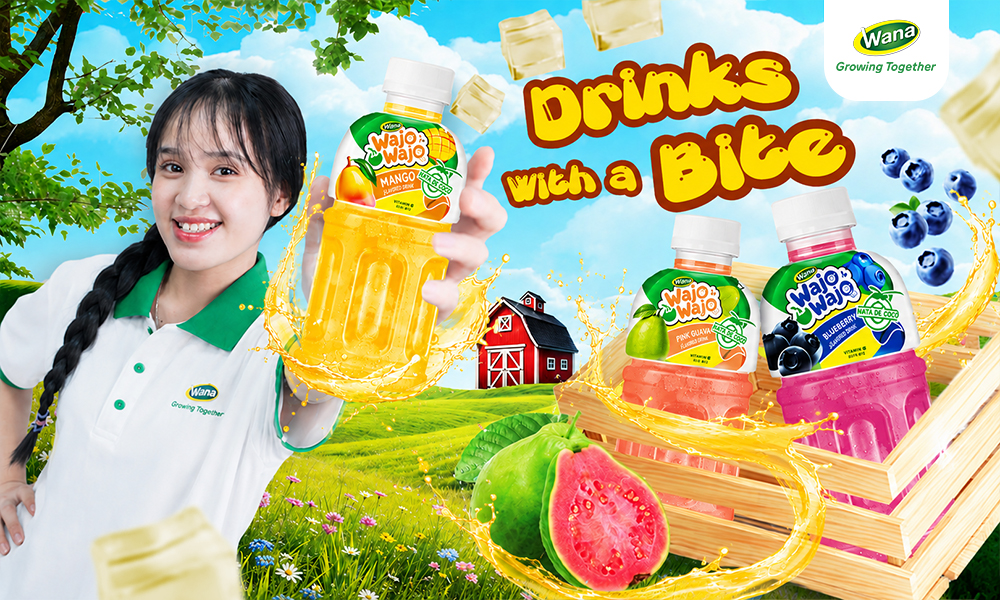
If you spend a few minutes scrolling through TikTok or Instagram, you will easily see a big change in how people drink today. Modern shoppers, especially younger ones, do not just want a simple liquid to fix their thirst. Instead, they love “textural drinks” beverages that taste great and have a fun, crunchy bite inside, like Nata de Coco (coconut gel) or Aloe Vera. This global love has turned basic drinks into a fun snack moment that gets lots of likes and shares online.
But taking a tasty drink with toppings from a small kitchen and making it in a fast, automated factory is a huge challenge. Many new brands fail during their first factory trial because the heavy toppings sink to the bottom, the liquid separates, or the soft jelly turns into mush during heat pasteurization. To turn this social media trend into a successful product on store shelves, brands need to look past basic mixing and use smart food science to keep the texture and quality the same in every single bottle.
1. The Business Side: What Are Customers Actually Paying For?
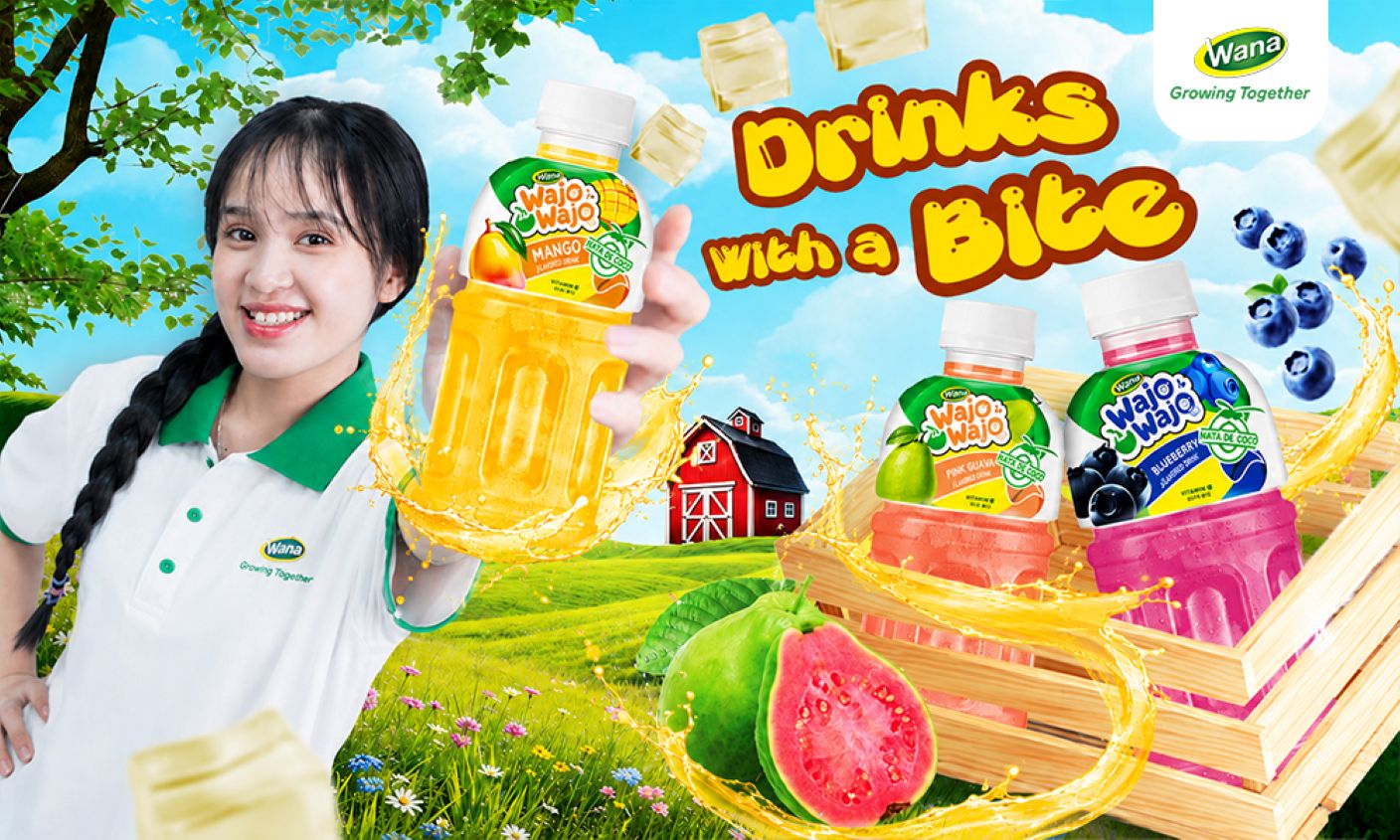
To build a successful beverage brand today, we need to understand how modern shoppers think. At its core, buying a drink is no longer just about fixing thirst or getting a nice flavor. It is about buying a fun experience. Today, the line between a drink and a snack is almost gone. People lead busy lives, and they love multi-tasking even with their food. When a brand adds clean, square pieces of natural coconut gel that float beautifully inside a bottle, the value of the product changes completely. It stops looking like a basic juice and starts looking like a premium lifestyle product.
The Power of “Visual Marketing” on Social Media
We always eat and drink with our eyes first, and social media makes this even more important. As we showed in our recent market report about the rise of popping boba and Nata de Coco trends, drinks with visual texture do the hard marketing work for you. A clear, clean bottle that shows colorful fruit juice with real jelly pieces floating evenly inside creates a great visual hook. Younger shoppers love to take beautiful photos, film satisfying videos, and share honest reviews of your product just because it looks great on camera. This kind of organic, user-generated content is very powerful. It builds viral trust for your brand without you having to spend a lot of money on paid ads.
Hitting the “Healthy Snack” Sweet Spot
The second big business win is matching the healthy lifestyle trend perfectly. Think about the heavy, starch-based tapioca pearls used in traditional milk teas. They have a lot of carbs and often make people feel too full or bloated. On the other hand, coconut gel and aloe vera are natural, plant-based, and very light. For example, Nata de Coco comes from natural coconut water fermentation, so it is full of dietary fiber, has zero fat, and is very low in calories. For brand owners, this is the perfect way to build a clean-label image. You give consumers the fun, chewy snack experience they want while keeping the drink healthy and light. This health angle allows you to price your product in the premium retail market, bringing better profits to your business.
2. The Technical Hurdles Behind Factory Mass Production
While the marketing side of chunky drinks is exciting, the actual factory production can be a real minefield if you are not ready. When you move your recipe from a home blender to fast, automated factory lines that fill hundreds of bottles every minute, simple physics can become a nightmare. Usually, new beverage brands face three big technical problems during their first industrial production runs:
When Heavy Toppings Sink to the Bottom
Raw coconut gel cubes and aloe vera pieces are much heavier than regular fruit juice, water, or tea. If you just mix the jelly chunks and the liquid together in a basic tank and try to bottle them normally, gravity will take over within a few hours on the warehouse shelf. All the jelly pieces will sink straight to the bottom of the bottle. This causes two big problems. First, the drink looks bad and uneven on the store shelf. Second, it ruins the consumer’s drinking experience because their first few sips are just plain liquid, while their last gulp is a huge clump of toppings.
When Intense Heat Turns Crunchy Jelly into Mush
To make sure a bottled drink stays fresh on a supermarket shelf for 12 to 24 months without spoiling, and without using heavy chemical preservatives, it must go through heat sterilization, also known as pasteurization. However, natural plant-based jellies are very sensitive to high heat. If the factory’s temperature and timing are not controlled perfectly, the heavy heat will cook the jelly’s natural cell structures. This instantly turns your crisp, crunchy toppings into a soft, soggy, and unappealing mush that customers will not like.
The Problem of Getting Too Much Jelly in One Bottle and None in the Next
Standard factory filling nozzles are made to handle smooth liquids like water or clear juices. The moment you try to pump a liquid mixed with solid chunks through these standard systems, the nozzles can get clogged easily, which stops the production line. Even if they do not clog completely, the amount of jelly that lands in each bottle becomes totally random. As a result, you get a big quality control failure where one bottle might be full of toppings, while the very next bottle behind it gets almost nothing but juice.
3. How Modern Food Science Fixes Every Problem
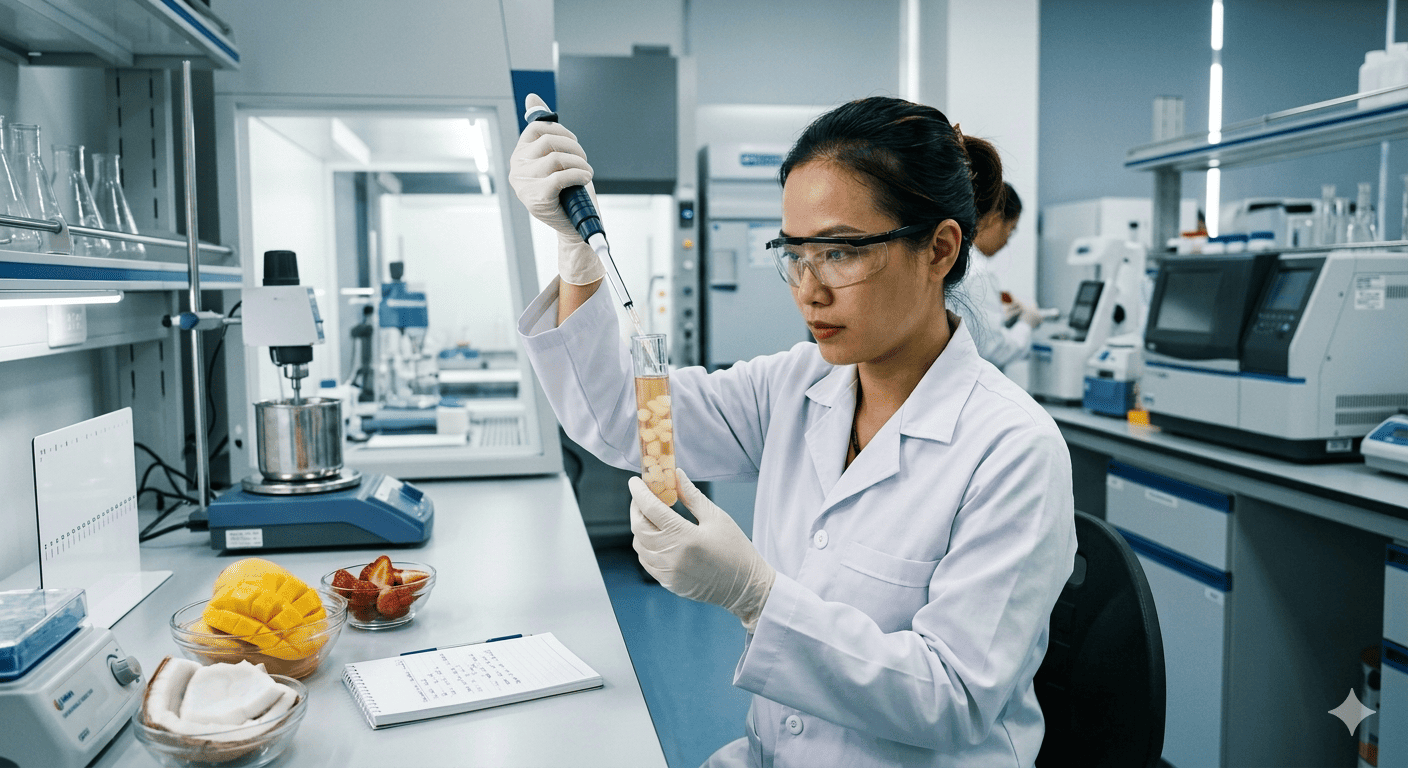
So, how do we fix these physical problems without changing the great taste or the healthy focus? In advanced manufacturing factories, these challenges are solved using smart food engineering, recipe stabilization, and specialized machinery:
Solution 1: Creating an Invisible Support Grid
To stop the jelly toppings from sinking, advanced R&D experts do not use heavy chemical starches or lots of sugar, which would ruin the refreshing taste and clarity of your drink. Instead, food scientists use a tiny, exact amount of natural, plant-based ingredients, like specific types of pectin or gellan gum. This creates an invisible, smart network inside the liquid. When the bottle sits still on a store shelf, this network acts like a gentle grid that holds the Nata de Coco or aloe vera cubes evenly across the whole bottle. But the moment a customer picks up the bottle, shakes it gently, and takes a sip, the movement temporary thins the liquid, allowing the juice and the chewy jelly cubes to flow together perfectly and smoothly into the mouth.
Solution 2: Two-Step Smart Filling
To solve the uneven distribution problem and ensure every single bottle is the same, factories throw out the old method of mixing everything in one giant tank before bottling. Instead, modern production lines use a smart two-step filling process:
-
Step One: The empty, clean bottles move under a highly accurate piston filler. This machine is made to drop the exact same weight of solid jelly pieces into each individual bottle with zero clogging.
-
Step Two: The bottle moves immediately to a second liquid nozzle that pumps the juice, tea, or water base, mixing the components perfectly inside the final bottle.
By separating the solids from the liquids during the filling step, every single bottle leaves the line with the exact same look and the same perfect ratio of toppings.
Solution 3: Flash Pasteurization
To protect that juicy, crisp crunch that consumers love, the drink goes through a High-Temperature Short-Time (HTST) pasteurization system. Instead of boiling the whole batch of drinks for a long time, which destroys vitamins and ruins flavors – the liquid and the toppings are exposed to a high sterilization temperature for just a few short seconds through a special heat exchanger. This process applies just enough heat to kill any bad bacteria or yeast, but moves so fast that it does not overcook the natural jelly cubes. This keeps the crisp texture perfectly safe while preserving the fresh flavor and natural color of the fruit juice base.
4. Designing Your Product: Endless Customization Paths
One of the best things about entering the global chunky drink market is that it offers brand owners endless creative freedom to match your brand’s personality and target audience:
-
Choose Your Jelly Size: Depending on your packaging, you can easily change the size of your toppings. You can choose mini-cubes (3mm by 3mm) that fit perfectly inside sleek aluminum cans and pass easily through standard straws. Or, you can go for larger, classic chunks (5mm to 8mm) that create a highly satisfying, premium bite inside wide-mouth bottles.
-
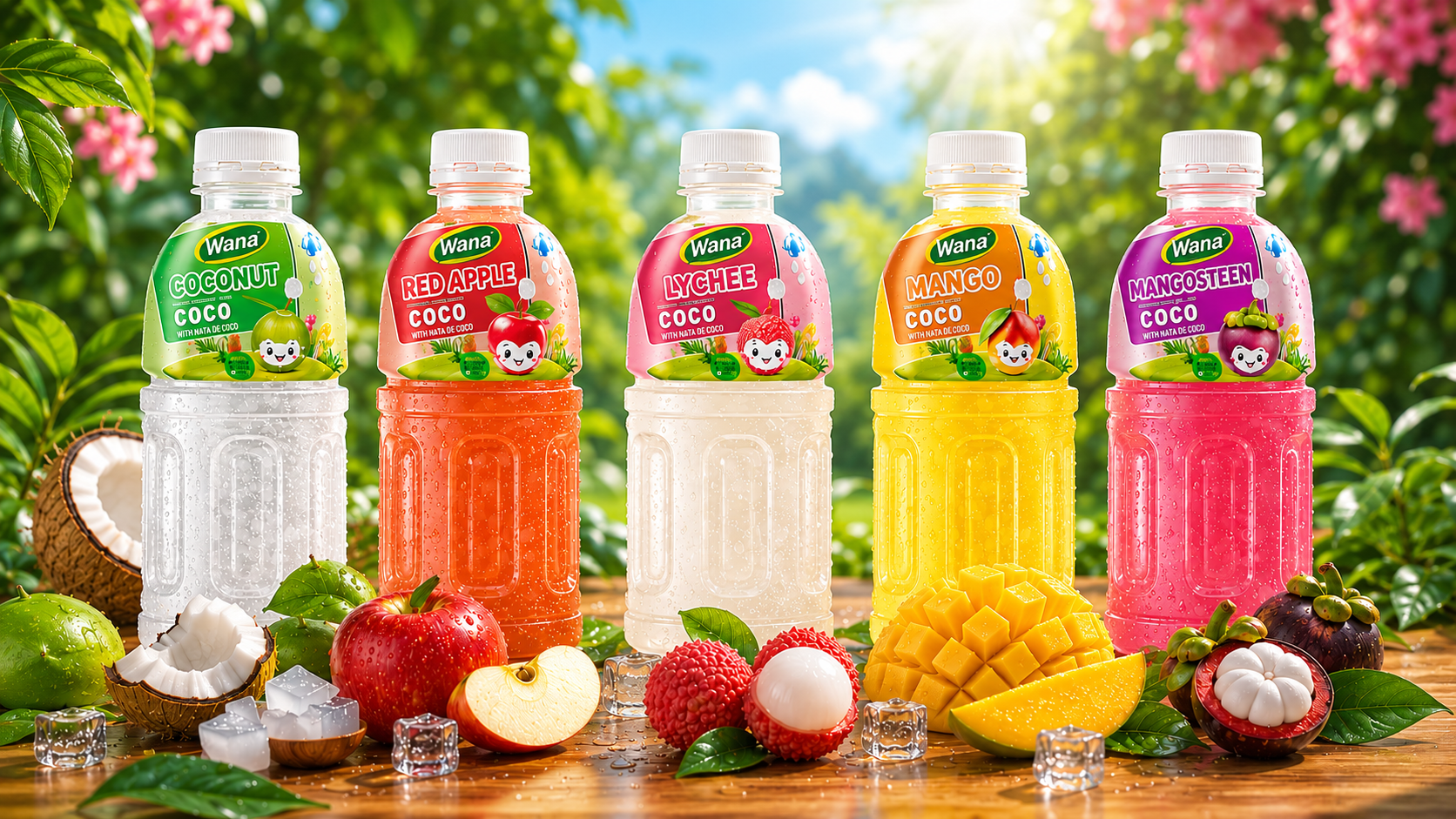
Mix and Match Your Bases: Natural coconut gel and aloe vera are very versatile. They have a mild flavor and absorb the taste of the liquid around them beautifully. You can pair them with pure coconut water, classic ready-to-drink teas like green tea or black tea, or a huge variety of tropical fruit juices. Some of the top-selling combinations right now include Lychee Juice with Nata de Coco, Mango Juice with Coconut Gel, and White Grape Juice with Aloe Vera.
-
Flavor and Color Infusion: If you want your product to be even more unique, an advanced factory can pre-soak and infuse the jelly cubes with specific fruit flavors and natural colors before bottling. Imagine a clear, refreshing aloe drink where the floating jelly pieces look like bright red pearls and taste like sour passionfruit. This creates an amazing layer of surprise for the consumer when they bite into them.
Start Your Trend Journey with a Strategic Partner
The growing popularity of chunky drinks is a great, high-profit opportunity for businesses and brand owners to launch a unique product line and win the market. When everyone else is selling basic liquids, a drink that offers a fun, sensory experience is your golden ticket to standing out on crowded supermarket shelves.
However, as we have seen today, making a premium chunky drink at a large commercial scale requires real technical accuracy and deep food science experience. If you have a great product idea and need a certified, experienced manufacturing partner to make it real, you can trust Wana Beverage.
We are here to help you through the whole journey – from testing and stabilizing your custom recipe in our R&D lab, to solving complex factory engineering challenges like keeping toppings floating, all the way to mass-producing your product on fully automated lines with ISO, HACCP, HALAL, and FDA credentials. With our flexible Minimum Order Quantity (MOQ) management and deep production knowledge, Wana is ready to help you build a beverage product that grows into a stable, long-term business success.
Reach out to Wana Beverage today to get your free custom sample kit, and let’s start building your next breakthrough beverage together!