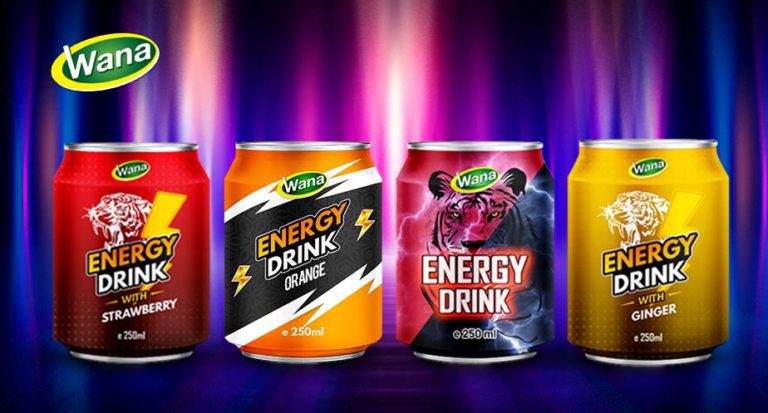

Canned juice drinks have become a cornerstone of the global beverage industry, blending convenience with affordability. These beverages are popular for their portability, long shelf life, and ability to cater to a wide range of consumer preferences. As lifestyles become busier, the demand for ready-to-drink (RTD) options like canned juices continues to rise.
Market Impact
Global Market Size and Growth
The canned juice drinks market has shown consistent growth, driven by increasing urbanization and changing consumer habits. According to recent studies, the global canned beverage market, including juices, is projected to grow by over 5% annually, with Asia-Pacific and Latin America emerging as key growth regions.
Economic Contribution
Canned juice drinks contribute significantly to the beverage industry’s economic landscape. They support agricultural industries by utilizing fruits as raw materials, create jobs in manufacturing and distribution, and drive revenue through domestic and international trade.

Consumer Appeal
Convenience and Accessibility
Canned juice drinks are designed for on-the-go lifestyles, offering single-serving portions that are easy to transport and consume. The durability and light weight of cans make them an ideal choice for various occasions, from packed lunches to outdoor events. Additionally, their long shelf life and ability to maintain freshness without refrigeration increase their accessibility, particularly in regions with limited cold storage infrastructure.
Wide Flavor Variety
The market offers a plethora of options, from classic flavors like orange and apple to exotic combinations such as guava-pineapple or lychee-pear. This variety ensures there is something for everyone.
Health and Nutrition Trends
As consumers become more health-conscious, the canned juice industry has responded by offering healthier options. Many brands now highlight features such as “99,98% juice,” no added sugars, or fortification with vitamins and minerals. This aligns with trends toward natural and functional beverages, helping canned juices remain a viable choice in the health-focused segment.
Affordability
Compared to fresh or bottled juices, canned options are often more budget-friendly, appealing to cost-conscious consumers while retaining quality and taste.

Technological Innovations in Juice Canning Production
Advanced Packaging
The use of lightweight aluminum cans and BPA-free linings ensures both durability and safety. Many companies are now focusing on fully recyclable packaging to meet consumer demands for eco-friendly products.
Preservation Techniques
Modern methods like cold-pressing and aseptic canning have revolutionized the industry, allowing juices to retain more nutrients and natural flavors without the need for excessive additives or preservatives.
Advanced Packaging
Canned juice drinks are gaining favor as a sustainable choice compared to plastic bottles. Aluminum cans are widely recyclable, with many companies pledging to use 100% recycled materials in their production processes. This focus on sustainability aligns with global efforts to reduce plastic waste and promote circular economies.
>> Explore more about High-Protein RTD Drinks, market trends, and OEM manufacturing opportunities.
Trends Shaping the Industry
Health and Wellness Focus
Consumers are increasingly looking for healthier options, driving demand for organic, low-sugar, and functional beverages. Canned juices fortified with vitamins, minerals, and probiotics are becoming more common.
Exotic and Regional Flavors
Flavors like lychee, tamarind, and dragon fruit are gaining traction as consumers seek unique and culturally inspired options.
Premiumization
The rise of premium canned juices with gourmet blends or artisanal branding is appealing to niche markets willing to pay more for quality and uniqueness.

Competitive Landscape
Canned juices compete with bottled juices, freshly pressed options, and plant-based drinks. Despite this competition, they hold a unique position due to their portability and cost-effectiveness. Continuous innovation in flavor, packaging, and sustainability keeps them relevant in the evolving market.
Future Outlook
The future of canned juice drinks looks promising, with sustainability and health trends leading the way. Innovations in packaging and ingredient sourcing will further enhance their appeal. Expansion into underrepresented markets, such as Africa and rural parts of Asia, presents significant growth opportunities. Collaborations between beverage companies and health-focused brands will likely result in more functional and eco-friendly options.
Conclusion
Canned juice drinks are integral to the beverage industry, offering a balance of convenience, affordability, and innovation. As consumer preferences evolve, this segment continues to adapt, ensuring its relevance and growth in the global market.