Aloe vera is widely known as an ingredient in skincare products. Today, it is also becoming popular in the global beverage market.
Consumers increasingly choose aloe drinks because they offer a refreshing taste, visible aloe pulp and a plant-based image. Beverage brands also use aloe vera to develop products that stand out from standard fruit juices and flavored waters.
However, consumers and beverage buyers often ask the same questions:
- What are the main aloe drink benefits?
- Is aloe vera juice safe to drink?
- What is the difference between inner-leaf and whole-leaf aloe?
- Which aloe drink flavors have the strongest market potential?
- Can manufacturers develop aloe drinks for private label brands?
This guide explains the potential benefits, safety considerations and commercial opportunities associated with aloe vera beverages.
What Is an Aloe Drink?
An aloe drink is a ready-to-drink beverage made with water, aloe vera juice, aloe gel or aloe pulp. Manufacturers may combine aloe with sugar, fruit juice, natural flavors, vitamins or other functional ingredients.
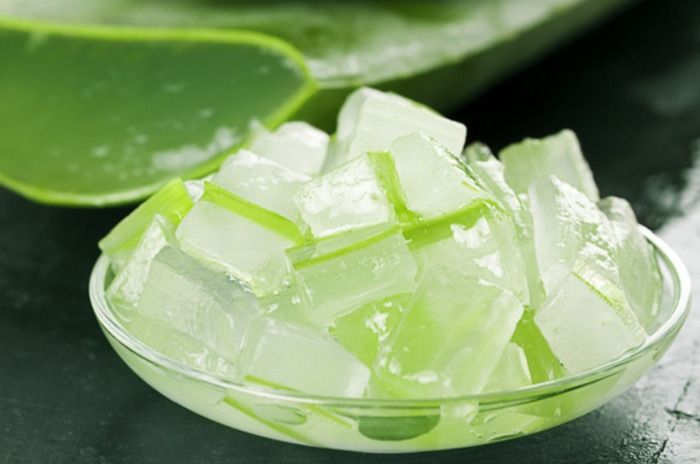
Many commercial products contain small pieces of aloe vera gel. These soft, chewy pieces create a distinctive drinking experience and help the product stand out on retail shelves.
Common product formats include:
- Original aloe vera drinks
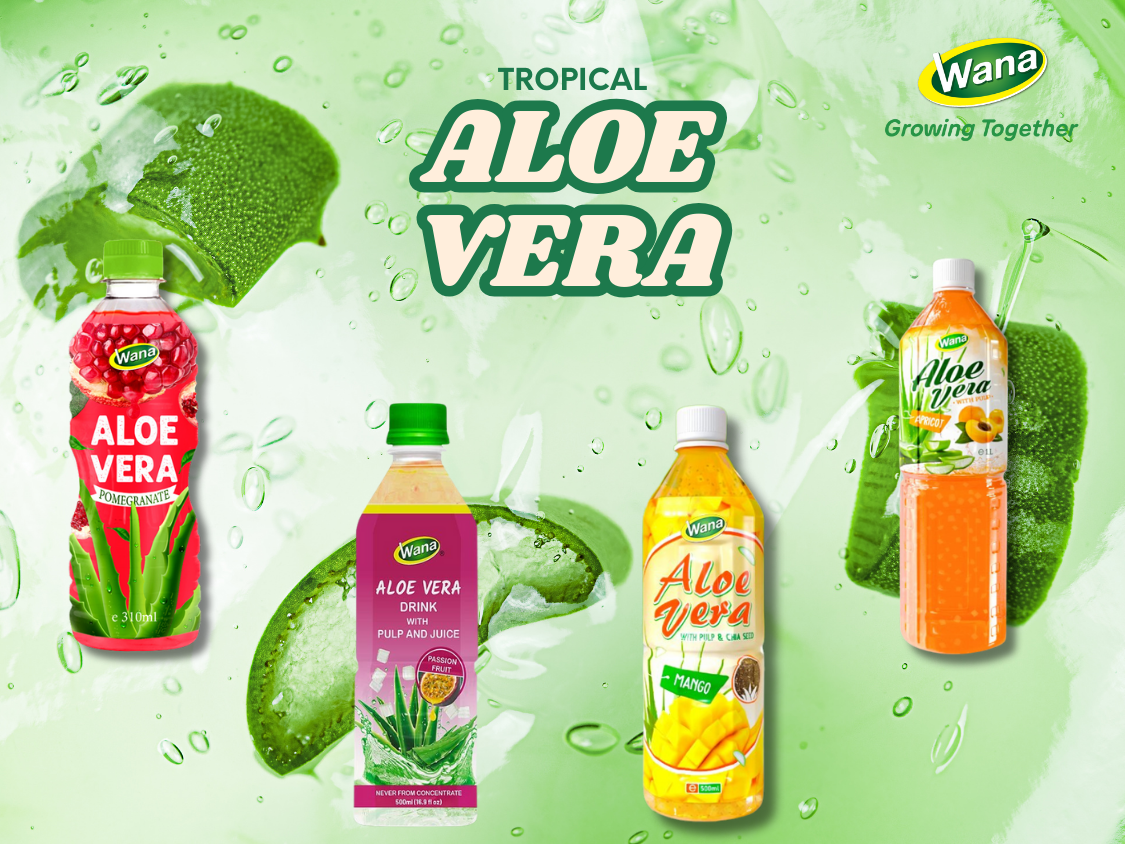
- Aloe drinks with pulp
- Fruit-flavored aloe drinks
- Reduced-sugar aloe beverages
- Sugar-free aloe drinks
- Sparkling aloe vera drinks
- Aloe drinks fortified with vitamins or minerals
The exact nutritional profile depends on the formulation. Added sugar, aloe content, serving size and other ingredients can significantly change the final product.
What Does Aloe Vera Contain?
Aloe vera gel contains mostly water. It also contains small amounts of carbohydrates, organic acids, minerals, enzymes and plant compounds.
The plant species most often used in food and beverage applications is Aloe vera, also known as Aloe barbadensis Miller.
Researchers have identified many potentially active compounds in aloe vera. However, the amount present in a commercial drink depends on the raw material, processing method and product concentration.
Consumers should therefore avoid assuming that every aloe beverage provides the same nutritional value.
Potential Aloe Drink Benefits
Scientific research into oral aloe vera remains limited. Aloe drinks should not replace medical treatment or a balanced diet.
Still, well-formulated aloe beverages can offer several practical benefits as part of a normal beverage routine.
1. Supports Daily Hydration
Most aloe drinks contain a high percentage of water. They can therefore contribute to normal daily fluid intake.
Fruit-flavored versions may also encourage consumers who find plain water unappealing to drink more fluids. However, buyers should still check the sugar content before choosing a product.
Aloe drinks do not automatically hydrate the body better than water. Their main advantage comes from their refreshing flavor, convenient format and appealing texture.
2. Offers a Refreshing Alternative to Standard Soft Drinks
Aloe vera has a light, slightly vegetal taste. When manufacturers combine it with fruit juice or natural flavor, it creates a refreshing beverage with a distinctive profile.
Consumers can choose aloe drinks as an alternative to:
- Carbonated soft drinks
- Sweetened fruit beverages
- Flavored water
- Bubble tea
- Juice drinks with nata de coco
Reduced-sugar formulations can appeal to consumers who want lighter beverages. Brands should clearly display the sugar and calorie content on the label.
3. Creates a Unique Drinking Experience
Aloe pulp gives the beverage a soft and chewy texture. This sensory feature distinguishes aloe drinks from smooth juices and flavored waters.
The texture can also appeal to consumers who enjoy drinks with inclusions, such as nata de coco, basil seeds, chia seeds or popping boba.
For beverage brands, this creates opportunities to develop products that deliver both refreshment and an interactive drinking experience.
4. Fits Plant-Based Beverage Trends
Aloe vera has strong associations with plants, wellness and natural ingredients. This positioning makes it suitable for brands that target health-conscious consumers.
An aloe drink can support product concepts such as:
- Plant-based hydration
- Tropical refreshment
- Reduced-sugar beverages
- Clean-label drinks
- Functional lifestyle beverages
- Fruit-and-botanical combinations
Brands must still follow the food labeling and health-claim regulations of each target market. They should not make medical claims without adequate evidence and regulatory approval.
5. May Support Digestive Comfort in Some Consumers
Some people drink processed inner-leaf aloe products for digestive comfort. However, research on the digestive benefits of oral aloe remains limited.
Aloe latex is different from purified aloe gel. The latex comes from the layer beneath the green outer skin and contains compounds such as aloin. It can cause abdominal cramps and diarrhea.
For beverage production, manufacturers need properly processed food-grade aloe ingredients with controlled aloin levels.
Inner-Leaf Aloe vs. Whole-Leaf Aloe
Understanding the difference between aloe ingredients is important for both consumers and beverage buyers.
Inner-Leaf Aloe
Inner-leaf products use the clear gel from inside the aloe leaf. Producers remove the green rind and the yellow latex layer before processing the gel.
Manufacturers commonly use purified inner-leaf aloe in food and beverage applications because it helps reduce exposure to aloe latex compounds.
Whole-Leaf Aloe
Whole-leaf aloe ingredients come from processing the entire leaf. This includes the outer rind, inner gel and latex-containing layers.
Producers must carefully filter and purify whole-leaf material to remove aloin and related compounds.
When sourcing aloe ingredients, beverage brands should request documentation that confirms:
- Ingredient origin
- Aloe species
- Processing method
- Aloin control
- Microbiological safety
- Pesticide compliance
- Food-grade status
- Compliance with the destination market
Are Aloe Drinks Safe?
Commercial aloe drinks made with properly processed food-grade ingredients are generally different from raw homemade aloe preparations.
According to the US National Center for Complementary and Integrative Health, short-term oral use of aloe gel has shown an acceptable safety profile in research. In contrast, oral aloe latex can cause abdominal pain, cramps and diarrhea.
Consumers should follow the serving instructions on the product label. They should also consult a healthcare professional before regular use when they:
- Take diabetes medication
- Take diuretics or heart medication
- Have kidney or digestive conditions
- Are pregnant or breastfeeding
- Use prescription medication
- Experience sensitivity to aloe products
An aloe beverage is a food product, not a treatment for disease.
Store-Bought vs. Homemade Aloe Drinks
Both options have advantages, but they also have different safety considerations.
Commercial Aloe Drinks
A reputable manufacturer controls the raw material, filtration, heat treatment, filling process and final product testing.
Commercial products also provide:
- Standardized ingredients
- Consistent flavor
- Defined serving sizes
- Shelf-life testing
- Food safety controls
- Traceable production records
- Market-specific labeling
Consumers should check the ingredient list, aloe content, sugar level and storage instructions.
Homemade Aloe Drinks
Homemade drinks offer more control over flavor and sweetness. However, improper preparation can leave aloe latex in the gel.
Raw aloe should not be prepared casually. The green skin and yellow latex must not enter the drink. Incorrect processing can cause digestive discomfort or more serious adverse effects.
For most consumers, a properly manufactured beverage offers greater consistency and easier quality control.
Popular Aloe Drink Flavors
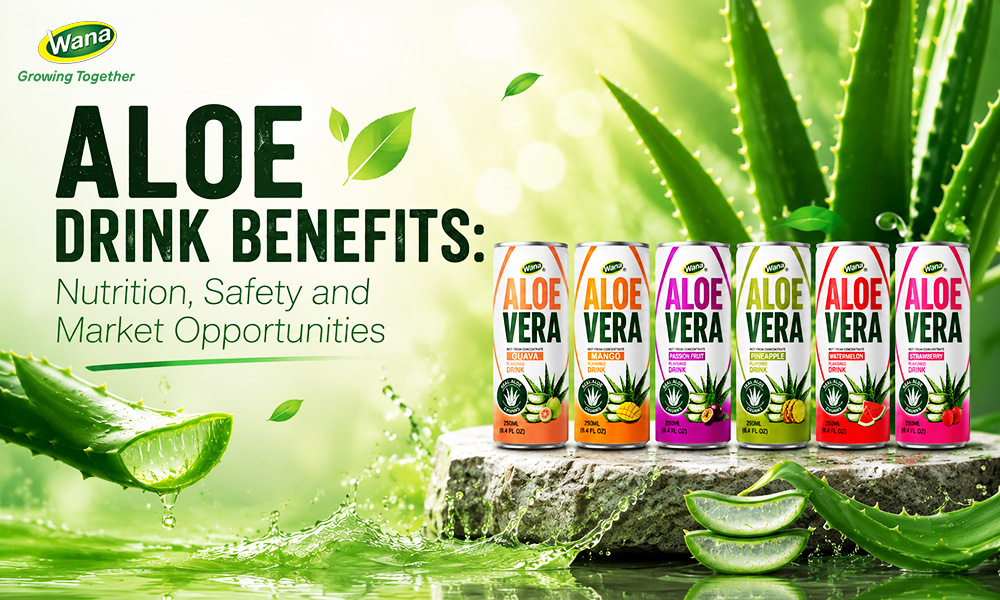
For a more detailed B2B comparison, explore our guide to aloe vera drink flavors for private label and wholesale buyers. Flavor innovation can make aloe vera more accessible to a wider audience.
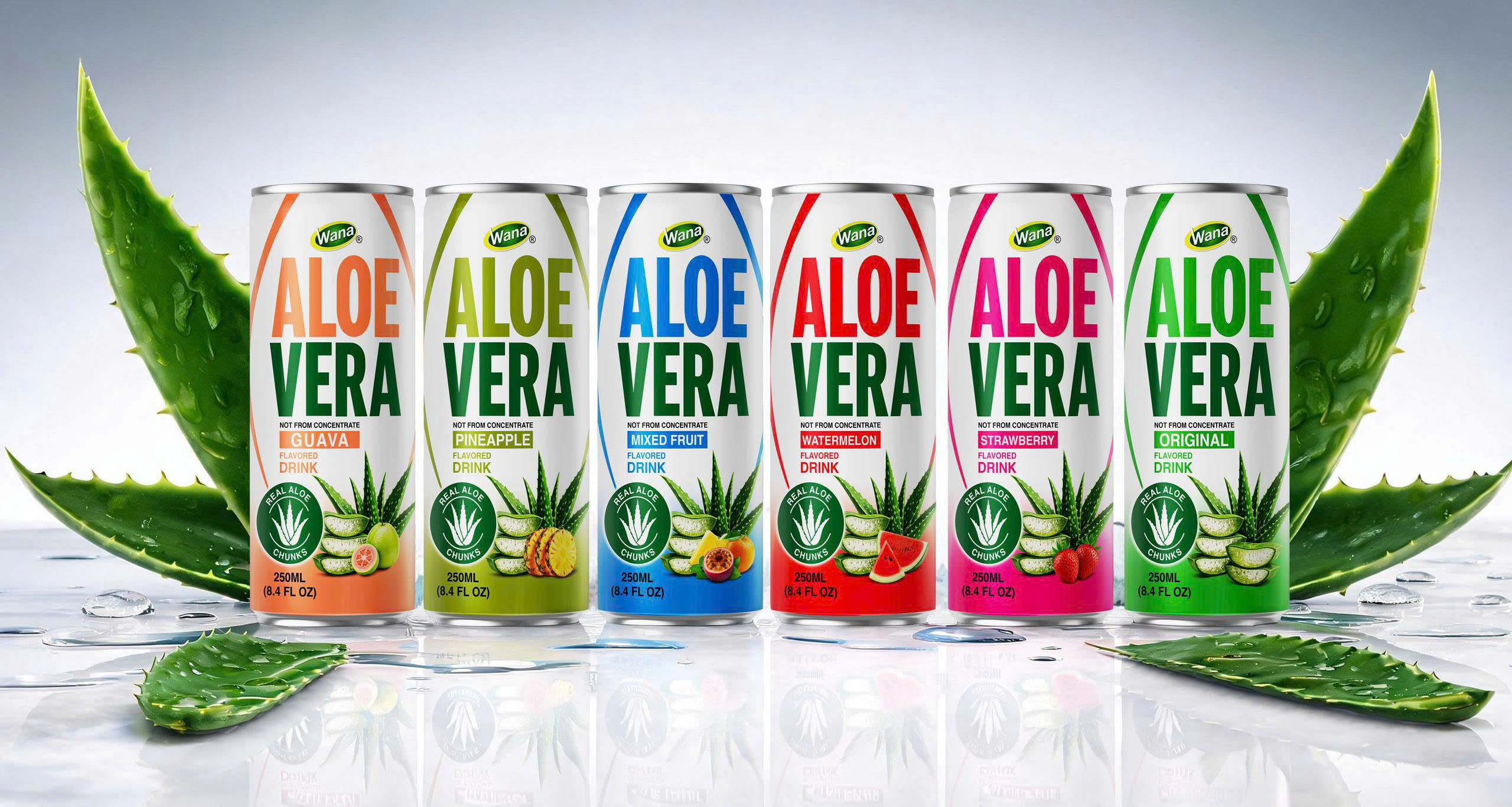
Original Aloe Vera
Original aloe drinks usually combine water, aloe pulp and a mild level of sweetness. This format highlights the natural aloe character.
It suits consumers who already know the category and prefer a classic product.
Aloe Vera and Mango
Mango adds tropical sweetness and a familiar aroma. It also pairs well with the soft texture of aloe pulp.
This combination can perform well in tropical beverage ranges and Asian grocery channels.
Aloe Vera and Strawberry
Strawberry provides a sweet, recognizable flavor. It can attract younger consumers and buyers who prefer approachable fruit profiles.
Aloe Vera and Pomegranate
Pomegranate gives the product a premium and wellness-oriented image. Its slight tartness also balances the sweetness of many aloe formulations.
Aloe Vera and Watermelon
Watermelon creates a light and refreshing profile. It suits summer campaigns and hydration-focused product concepts.
Aloe Vera and Pineapple
Pineapple adds acidity and a strong tropical aroma. The combination works well for brands that emphasize tropical fruit flavors.
Aloe Vera and Lemon
Lemon gives aloe drinks a cleaner and sharper finish. It may also support reduced-sugar or sparkling product concepts.
How to Choose a High-Quality Aloe Drink
Consumers and professional buyers should look beyond the front label.
Important product details include:
Aloe Content
Check whether the product contains aloe juice, aloe gel, aloe pulp or aloe flavor. These ingredients do not provide the same product experience.
Added Sugar
Some aloe drinks contain high levels of added sugar. Reduced-sugar and zero-sugar options may suit markets where consumers actively compare nutrition labels.
Pulp Quality
Aloe pieces should have a consistent size, pleasant texture and stable suspension. Poor pulp quality may create an uneven drinking experience.
Ingredient Transparency
The label should clearly list sweeteners, fruit content, preservatives, colors and functional ingredients.
Manufacturing Standards
Importers and distributors should also review the manufacturer’s certifications, testing procedures, production controls and export documentation.
Why Aloe Drinks Offer Opportunities for Beverage Brands
Aloe drinks combine several attributes that support product differentiation:
- Recognizable plant-based ingredient
- Distinctive pulp texture
- Broad fruit-flavor compatibility
- Tropical and wellness positioning
- Multiple packaging options
- Potential for reduced-sugar development
- Strong visual appeal on retail shelves
Brands can position aloe beverages across several segments, from affordable mass-market drinks to premium functional products.
The category can also support product extensions. A company may start with an original aloe drink and later introduce mango, strawberry, pomegranate or sparkling versions.
Private Label Aloe Drink Development
Developing an aloe drink requires more than adding aloe pulp to flavored water. A successful product must balance taste, sweetness, acidity, texture and shelf stability.
During product development, brands should consider:
- Target consumer
- Target country
- Aloe concentration
- Pulp size and texture
- Sugar level
- Fruit juice content
- Flavor profile
- Bottle or can format
- Serving size
- Shelf-life target
- Labeling requirements
- Import regulations
An experienced beverage manufacturer can help evaluate these factors before commercial production.
Aloe Vera Drink Manufacturing with Wana Beverage
Wana Beverage provides OEM, ODM and private label beverage manufacturing services for international brands, importers and distributors.
Our aloe vera beverage capabilities include:
- Original aloe vera drinks
- Fruit-flavored aloe drinks
- Aloe drinks with pulp
- Sparkling aloe beverages
- Reduced-sugar formulations
- Customized flavors and sweetness
- Packaging and label support
- Export documentation support
We can help B2B partners develop products based on their target market, pricing strategy and distribution channel.
Our product development process may include:
- Reviewing the product brief
- Selecting a suitable base formulation
- Adjusting flavor and sweetness
- Confirming aloe pulp specifications
- Producing samples
- Reviewing packaging requirements
- Testing and approving the final formulation
- Preparing for commercial production
Questions to Ask an Aloe Drink Manufacturer
Before selecting a manufacturing partner, ask these questions:
- What type of aloe ingredient do you use?
- How do you control aloin levels?
- Can you adjust the percentage of aloe pulp?
- Can you develop reduced-sugar products?
- Which fruit flavors are available?
- What packaging formats do you support?
- What is the minimum order quantity?
- Which certifications does the factory hold?
- Can you support export documentation?
- Can you customize labels for the destination market?
Clear answers help buyers evaluate product quality, compliance and commercial feasibility.
Conclusion
The main aloe drink benefits come from hydration, refreshment, product variety and a distinctive pulp texture. Aloe beverages also fit growing demand for plant-based and fruit-forward drink concepts.
However, brands should avoid unsupported medical claims. Product quality depends on the aloe ingredient, formulation, sugar level and manufacturing process.
For importers, distributors and private label brands, aloe drinks offer strong opportunities for flavor innovation and product differentiation.
Wana Beverage supports customized aloe vera beverage development for international B2B partners. Contact our team to discuss your target market, preferred flavor, packaging format and private label requirements.
Frequently Asked Questions
What are the main benefits of an aloe drink?
An aloe drink can support daily fluid intake and provide a refreshing alternative to standard soft drinks. Products with aloe pulp also offer a distinctive chewy texture. Any additional nutritional benefit depends on the formulation and serving size.
Is it safe to drink aloe vera every day?
Safety depends on the ingredient, processing method, concentration and individual health condition. Consumers should choose properly processed food-grade products and follow the serving instructions. Aloe latex should not be consumed because it can cause cramps and diarrhea.
Does aloe vera juice detox the body?
There is not enough strong evidence to claim that aloe drinks detox the body. The liver and kidneys perform the body’s natural filtering functions. Marketing content should avoid presenting aloe drinks as detox treatments.
Can aloe drinks cure acid reflux?
Aloe drinks should not be promoted as a cure for acid reflux or gastroesophageal reflux disease. Anyone with persistent symptoms should seek medical advice.
What is an aloe drink with pulp?
It is a ready-to-drink beverage that contains small pieces of aloe gel. The pulp gives the drink a soft and slightly chewy texture.
Which aloe drink flavor is most popular?
Original, mango, strawberry, pomegranate, watermelon, pineapple and lemon are common options. The best flavor depends on the target country, consumer preferences and distribution channel.
Can Wana Beverage produce private label aloe drinks?
Yes. Wana Beverage supports OEM, ODM and private label aloe beverage development for international brands, importers and distributors. Product options can include customized flavors, sweetness, aloe pulp specifications and packaging.