Looking for a custom drink manufacturer to turn your beverage concept into a commercially scalable product? The right manufacturing partner can support formulation, ingredient sourcing, packaging, production, quality control, and export requirements.
Why work with a custom drink manufacturer?
A custom drink manufacturer gives beverage companies access to production equipment, technical know-how, packaging support, and quality systems without requiring them to build a manufacturing facility from scratch. That matters because beverage production involves more than mixing ingredients; it includes formulation adjustments, ingredient sourcing, filling, preservation, packaging, compliance considerations, and repeatable quality control.
For emerging brands, this can mean moving from a promising kitchen or pilot formula to a commercially viable product. For established brands, it can mean adding a new line, testing a seasonal flavor, or increasing volume without overextending internal resources. In both cases, contract beverage manufacturing can help brands focus on positioning, sales, distribution, and customer experience while experienced production teams handle the manufacturing process.
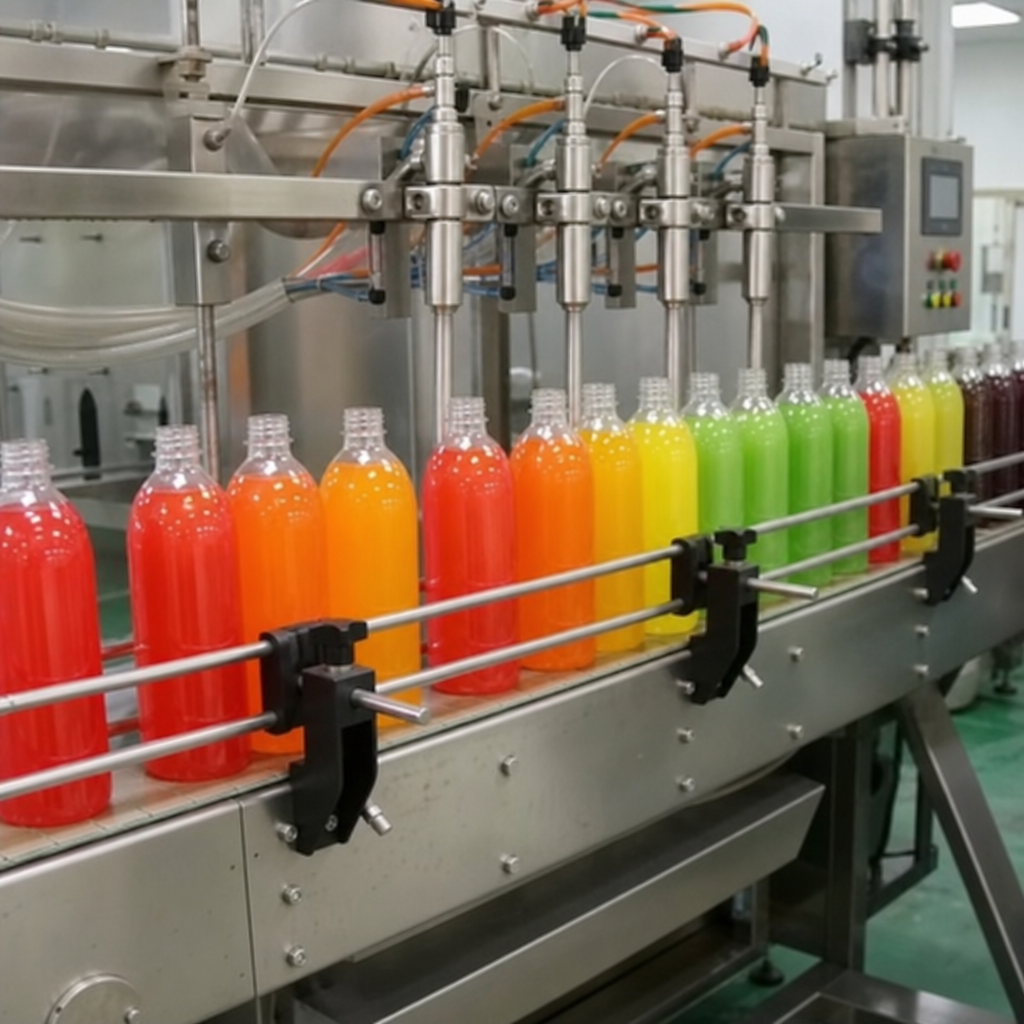
A strong partner may also help you think through practical questions early: Will the drink be sold cold or shelf-stable? Does the formula contain sensitive functional ingredients? Will the product ship through e-commerce, gyms, convenience stores, grocery chains, or events? Those answers shape everything from preservation method to packaging format.
How a custom beverage manufacturer turns ideas into scalable products
Many beverage ideas start with a clear consumer need: hydration after a workout, clean energy for a busy afternoon, protein support, gut health, focus, or a lower-sugar alternative to mainstream drinks. The hard part is turning that idea into something that tastes good, holds up in production, and remains consistent from run to run.
A functional drink manufacturer can help brands navigate this transition by reviewing how ingredients behave at commercial scale. Some flavors shift after processing. Some colors, botanicals, vitamins, minerals, sweeteners, or caffeine sources may require special handling. What works in a small test batch may need adjustment before it can run efficiently through filling equipment.
This is especially important for brands looking for a custom energy drink manufacturer or a partner in custom sports drink manufacturing. These categories often involve performance-oriented claims, electrolyte systems, caffeine levels, sweetener choices, and flavor profiles that consumers judge quickly. If the drink tastes off, separates, loses carbonation, or feels inconsistent, the brand reputation takes the hit.
Useful manufacturing support can include:
- Formula review to improve production readiness
- Ingredient sourcing guidance for consistency and availability
- Batch documentation so the product can be repeated accurately
- Quality checks before, during, and after production
- Packaging compatibility input based on the product’s ingredients
- Production planning for launch runs, reorders, and growth
How contract beverage manufacturing reduces cost and production complexity
Building your own beverage facility can require major spending on equipment, space, labor, maintenance, sanitation, testing, and packaging inventory. For many brands, especially early-stage companies, that level of investment can slow momentum before the product even reaches consumers.
Contract beverage manufacturing helps reduce that burden by giving brands access to existing production infrastructure. Instead of buying every piece of equipment, hiring a full production team, and managing day-to-day plant operations, you can work with a manufacturer that already has systems in place. This can make it easier to test a product, refine your launch plan, and respond to demand without carrying the full cost of a dedicated facility.
Cost control is not only about the price per unit. It is also about reducing avoidable mistakes. A poorly matched packaging format, unrealistic production minimum, unstable formula, or missed lead time can affect margins and customer relationships. A capable partner helps identify those issues before they become expensive problems.
How do you choose the right custom drink manufacturer?
Choose a manufacturing partner by matching their capabilities to your product type, packaging needs, volume goals, quality expectations, and growth plan. The best fit is not always the largest facility or the lowest quoted cost; it is the partner that can reliably make your beverage the way it needs to be made today while supporting where the brand is headed next.
Start by clarifying your product requirements. A sparkling energy drink, a still hydration beverage, a juice-based functional drink, and a powdered stick pack all involve different production considerations. Ask whether the manufacturer has experience with your category and whether they can support the processing method your beverage requires, such as hot fill, cold fill, flash pasteurization, or aseptic filling when appropriate.
You should also understand minimum order quantities. Production volumes vary depending on the beverage type, packaging format, ingredients, and manufacturing process. An experienced beverage manufacturer can help brands evaluate a practical first production run while considering cost efficiency, inventory planning, and future reorder requirements.
Before signing with a partner, review:
- Category experience Do they understand sports drinks, energy drinks, functional beverages, or your specific format?
- Production flexibility Can they support initial production runs, larger volumes, and changing demand as your brand grows?
- Quality and documentation What checks are built into the process, and how are batches tracked?
- Packaging compatibility Can they fill the format you want, and does that format fit your product’s shelf-life needs?
- Communication style Do they explain tradeoffs clearly, flag risks early, and provide realistic timelines?
- Growth alignment Can they support your next stage, not just your first run?
Beverage packaging options shape brand perception and logistics
Beverage packaging options do more than hold liquid. They influence shelf appeal, shipping weight, consumer convenience, production requirements, storage needs, and perceived value. Choosing packaging too late can force compromises, so it should be part of the manufacturing conversation early.
Common options include PET bottles, aluminum cans, aseptic cartons, flexible pouches, sachets, and stick packs. PET bottles are familiar, resealable, and practical for many hydration and sports drink formats. Aluminum cans can feel modern and are popular for energy drinks, sparkling beverages, and ready-to-drink functional products. Aseptic cartons may suit certain shelf-stable beverages, while pouches, sachets, and stick packs can work well for concentrates, powders, samples, and on-the-go use.
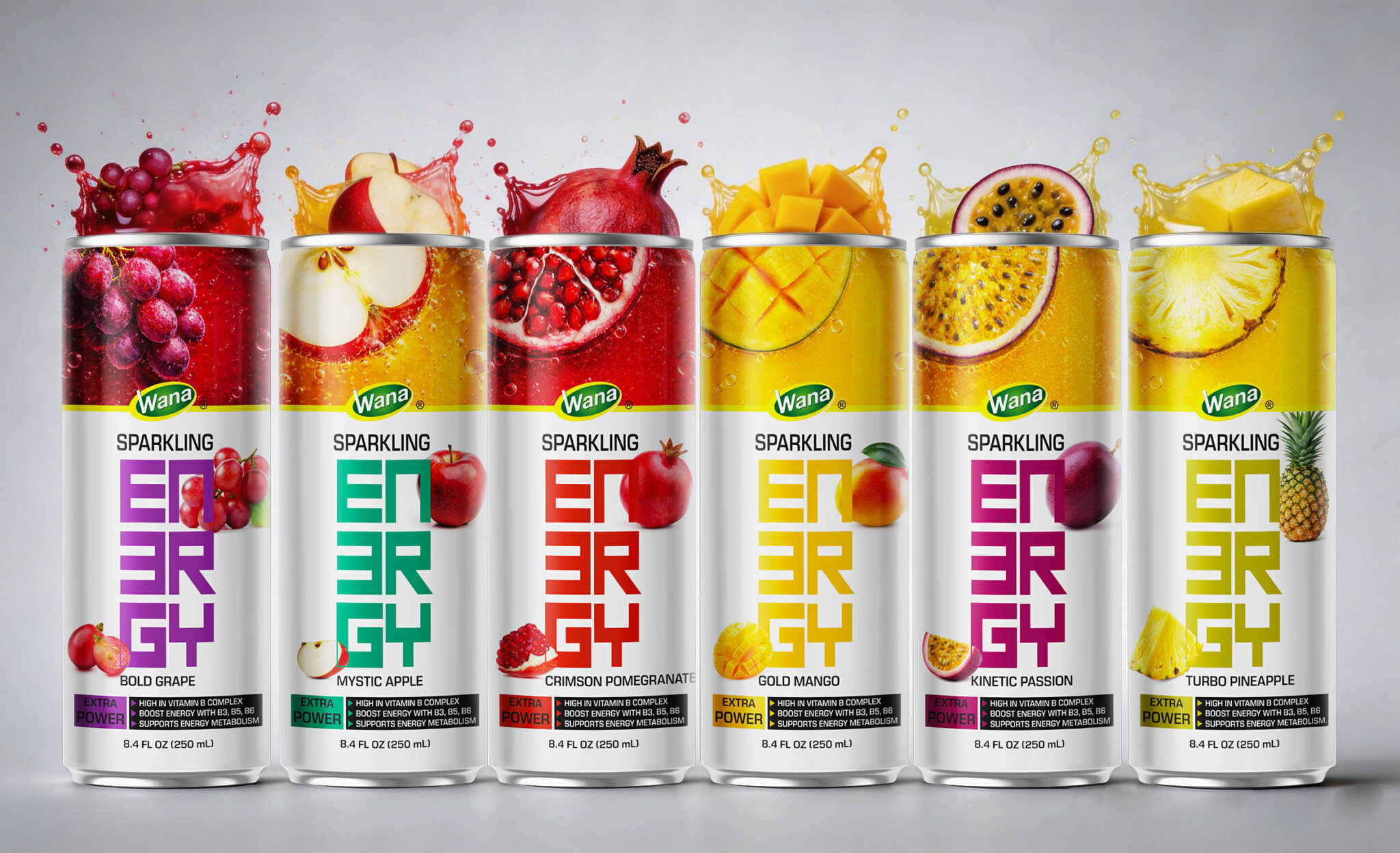
Each format creates different tradeoffs. A gym-focused hydration drink may benefit from a resealable bottle. A convenience-store energy drink may compete better in a can. A powdered wellness beverage may use stick packs to reduce shipping weight and make trial easier. The goal is to align packaging with how the customer will actually buy, carry, consume, and reorder the product.
Packaging decisions should consider:
- Product shelf life and preservation method
- Carbonated versus still formulation
- Single-serve versus multi-serve use
- Retail shelf impact and label design
- Shipping durability and case configuration
- Sustainability expectations from your audience
- Storage space for finished goods and components
Challenges when scaling custom beverage manufacturing
The challenges of scaling custom sports drink manufacturing often appear after early demand proves the product has traction. A brand may need more ingredients, faster production slots, tighter inventory planning, or packaging components with longer lead times. At the same time, customers expect the same flavor, color, mouthfeel, and performance experience they enjoyed in the first batch.
Scaling can also expose weaknesses in the original formula. Electrolyte blends, sweeteners, acids, natural flavors, and colors may behave differently in larger tanks or under different processing conditions. Ingredient shortages or substitutions can create further risk if they are not managed carefully.
A private label beverage manufacturer or custom production partner can help brands plan for this stage by building repeatable processes, forecasting production needs, and identifying potential constraints before demand spikes. That support is valuable for retail expansion, regional distribution, online bundles, corporate wellness programs, and seasonal campaigns.
A practical path from concept to launch
Partnering with a manufacturer works best when the brand enters the conversation prepared. You do not need to have every answer, but you should know your target customer, product category, flavor direction, desired packaging, launch channel, and expected first-run volume.
A simple preparation checklist includes:
- Define the drink’s purpose and target consumer
- Decide whether it will be ready-to-drink, concentrate, or powder
- List must-have ingredients and ingredients you want to avoid
- Identify preferred beverage packaging options
- Estimate launch volume and reorder expectations
- Clarify whether you need small batch beverage manufacturing first
- Ask about timelines, testing, documentation, and production requirements
The more clearly you communicate your goals, the easier it is for a manufacturer to recommend realistic next steps.
Custom drink manufacturing with Wana Beverage
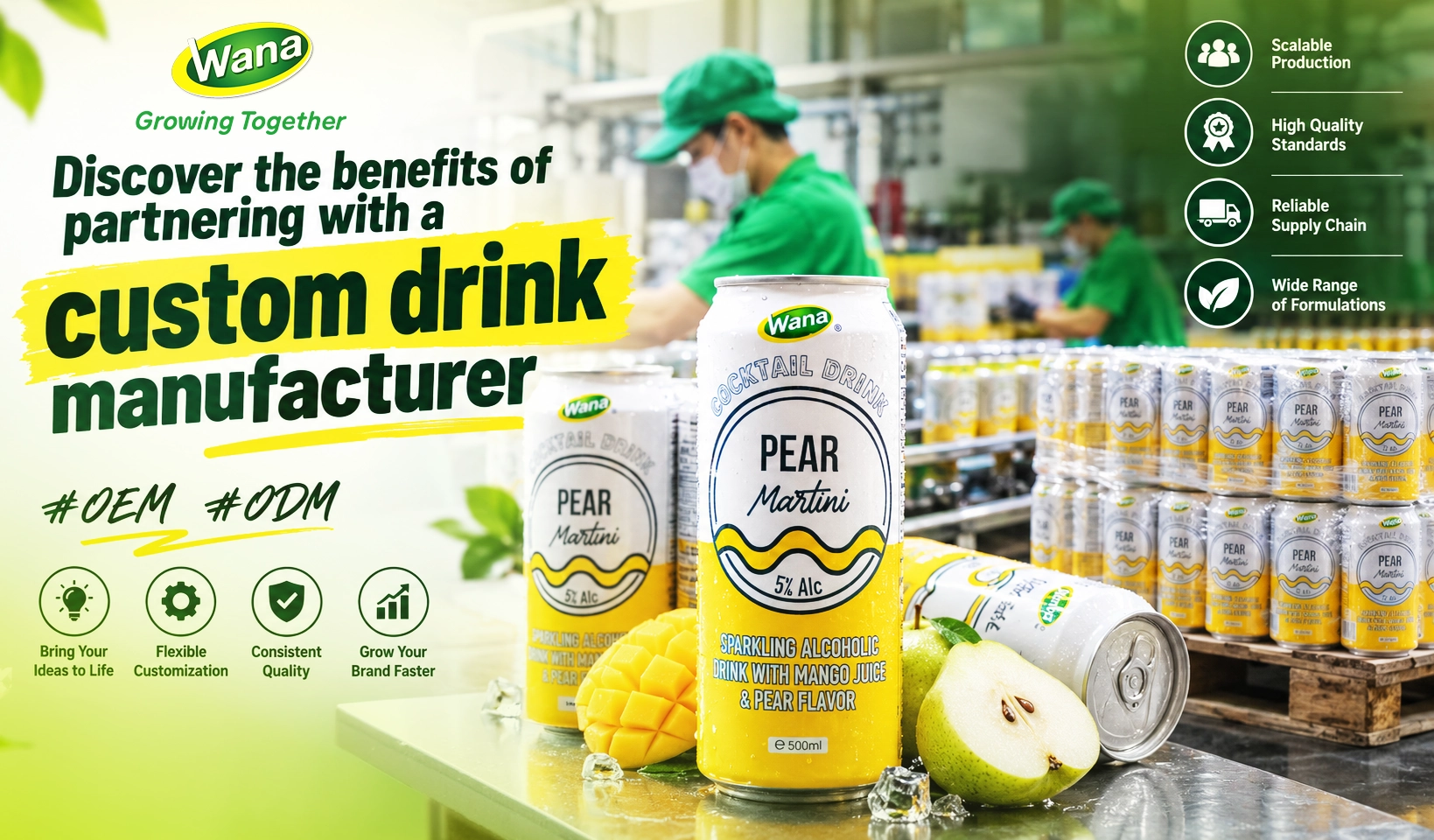
Wana Beverage supports custom drink manufacturing projects for international beverage brands, importers, distributors, and retailers. Buyers can discuss product type, flavor direction, sweetness level, functional ingredients, packaging, branding, and target-market requirements before commercial production.
Depending on the project, Wana Beverage provides OEM, ODM, and private label support across categories such as energy drinks, coconut water, aloe vera drinks, fruit juice drinks, sparkling beverages, and functional beverages.
For export-focused projects, manufacturing planning can also include packaging specifications, labeling requirements, product documentation, and production coordination based on the intended market.
Start your custom beverage manufacturing project
A custom drink manufacturer can help beverage brands move faster, avoid unnecessary infrastructure costs, and make smarter decisions about formulation, production, and packaging. Whether you are exploring a functional drink manufacturer, a custom energy drink manufacturer, or a private label beverage manufacturer, the strongest partnerships are built on fit, transparency, and scalability.
The right partner will not just make your beverage. They will help you understand the production choices that shape quality, cost, logistics, and customer experience as your brand grows.
Contact Wana Beverage to discuss your beverage category, formulation, packaging, target market, and expected production volume. Our team can help determine a practical OEM, ODM, or private label manufacturing approach for your project.