Making a glass of juice at home is simple, but producing it at scale for both domestic and international markets is far more complex. That’s why understanding the juice product development process not only helps businesses shorten time-to-market but also ensures product quality, differentiation, and scalability.
For B2B companies—especially OEM/ODM brands—building a standardized development process is key to long-term success.
This article will walk you through the complete beverage product development steps, from initial concept to commercial production. It also covers the beverage formulation process, the importance of the beverage R&D process, and explains how to develop a juice formula effectively.

What is the Juice Product Development Process?
The juice product development process is the journey of researching, testing, and refining a juice product—from the initial idea to a market-ready product.
This process includes multiple stages such as market research, beverage formulation process, quality testing, pilot production, and commercialization.
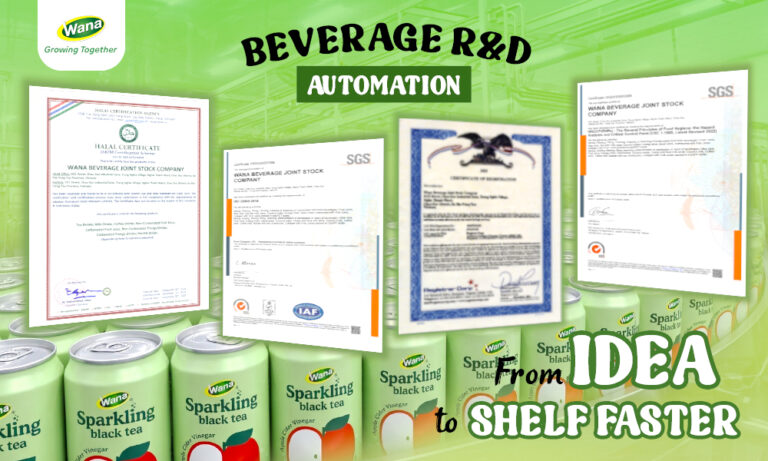
For B2B businesses, this process is often handled by OEM/ODM partners with strong R&D capabilities to optimize costs and accelerate development timelines.
What does the Beverage R&D Process do?
Businesses can develop products in the most efficient manner by following a well-structured R&D process:
- Adhering to consumer preferences, such as healthy drinks, low sugar, and functional beverages.
- Economizing raw material and reducing production costs.
- Complying with global guidelines on food safety regulations.
- Designing and marketing distinctive products in the market.
The design of this department should allow for flexibility in meeting customer needs at different times.
Beverage Product Development Steps
1. Market Research & Concept Development.
The initial step in creating a juice product involves learning about:
- Consumer behavior regarding (organic, clean label and sugar-free)
- Target customers.
- Distribution channels (retail, export)
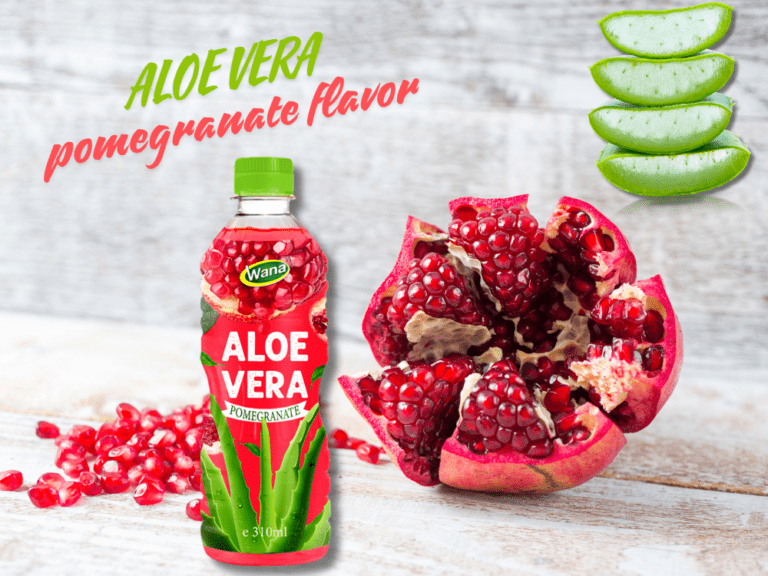
As a result of its convenience and nutritional advantages, mixed fruit juice is experiencing heightened demand in recent times.
2. Beverage Formulation Process.
The primary phase of the entire procedure comprises:.
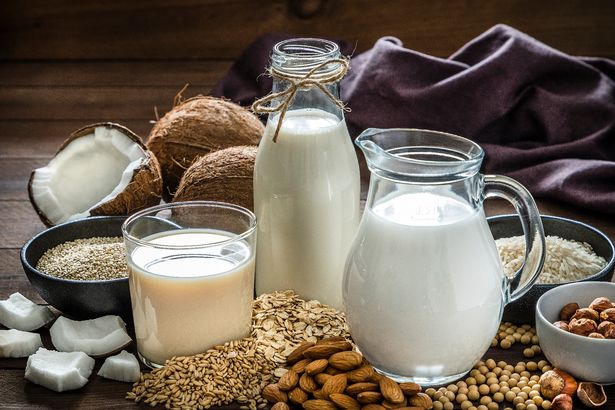
- Making use of natural ingredients (fresh produce, powder or syrup)
- Defining ingredient ratios.
- Equality in taste (sweet – sour – aromatic)?
- Adjusting color and product stability.
A good beverage formulation should not only have a great taste but also meet certain standards:
- Remain stable over time.
- Be compatible with production processes.
To meet regulatory requirements, the R&D team typically creates multiple variations of the formula to achieve a balance between flavor and cost.
3. How to Develop a Juice Formula
Understanding how to develop a juice formula is essential for brands aiming to create unique, safe, and scalable products.
Step-by-step approach:
3.1. Define product objectives
- Target taste profile (sweet, sour, balanced)
- Functional purpose (energy, detox, hydration)
- Nutritional targets and positioning
3.2 Select raw materials
- Choose high-quality fruit sources
- Determine format (fresh juice, puree, or concentrate)
- Consider supply stability and cost efficiency
3.3 Develop initial formulation
- Create lab-scale samples
- Balance sweetness, acidity, and flavor profile
- Optimize ingredient ratios
3.4 Sensory evaluation
- Conduct internal tasting or consumer testing
- Refine based on feedback
3.5 Stability and shelf-life testing
- Evaluate microbiological stability
- Monitor color, taste, and texture over time
- Assess packaging compatibility and storage conditions
3.6. Regulatory and compliance review
- Ensure compliance with market requirements (e.g. FDA, EU)
- Verify labeling, pH levels, and ingredient approvals
3.7. Scale-up and industrial validation
- Adapt formula for mass production
- Validate processing conditions (pasteurization/UHT)
- Ensure batch-to-batch consistency
3.8 Final optimization
- Cost optimization
- Process efficiency improvement
Developing a juice formula requires close collaboration between R&D, quality, and production teams to ensure both product excellence and industrial feasibility.
Emerging Trends in Juice Product Development
The beverage industry is evolving rapidly with new trends:
1. Healthy & Functional Beverages
- Low sugar, no preservatives
- Fortified with vitamins, collagen, probiotics
2. Clean Label
Consumers prefer products with natural and easily understood ingredients.
3. Sustainability
Eco-friendly packaging and sustainable production processes are becoming industry standards.
Why Partner with OEM/ODM in Beverage Development?
Instead of building everything in-house, many businesses choose professional partners to:
- Reduce initial investment costs
- Accelerate time-to-market
- Leverage R&D expertise
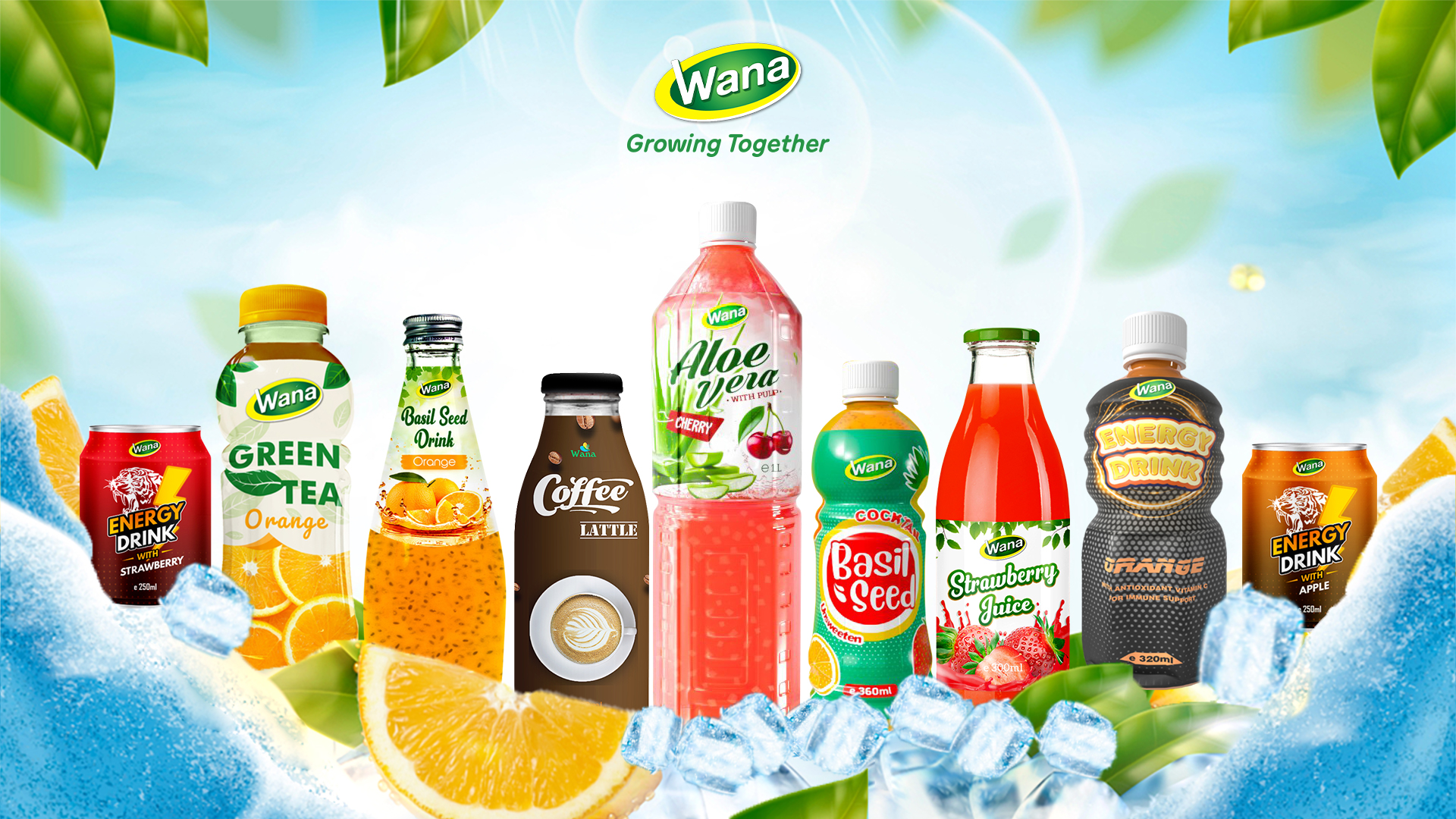
Wana Beverage – Your End-to-End Beverage Partner
With extensive industry experience, Wana Beverage offers:
- Professional OEM/ODM services
- Advanced R&D systems
- International-standard production lines
- A diverse product portfolio (juice, sparkling drinks, coconut water, energy drinks, etc.)
Wana’s strengths include:
- Customized formulations based on client needs
- Cost optimization
- Consistent product quality
Conclusion
Understanding the juice product development process is fundamental for creating successful beverage products. From the beverage formulation process to production and commercialization, every step plays a critical role in ensuring quality and competitiveness.
If you are looking for a reliable partner in beverage development, working with experienced manufacturers like Wana Beverage can help you optimize the entire journey—from concept to finished product on the shelf.