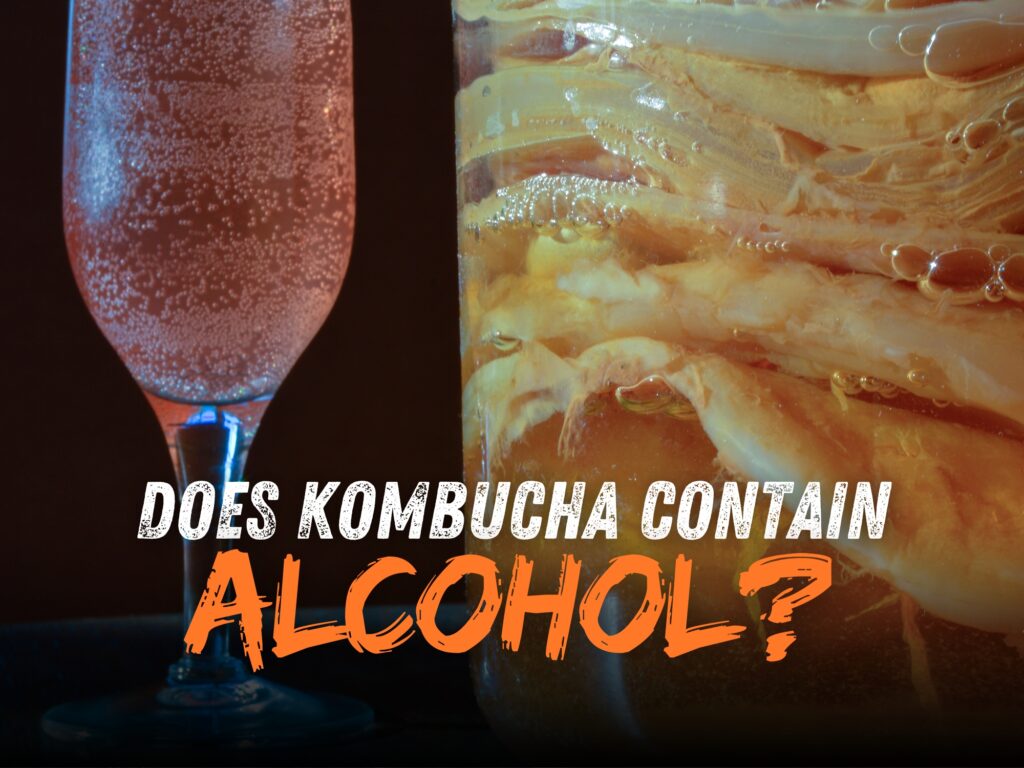
Kombucha has rapidly gained popularity in the health and wellness community, celebrated for its probiotic advantages and distinct flavor. A frequently asked question is whether kombucha contains alcohol. In this blog post, we’ll explore the realm of alcoholic kombucha, its production methods, and what you should know about its alcohol content.
Table of Contents
ToggleIs kombucha classified as alcoholic or non-alcoholic?
The answer may be surprising, as it is both “yes” and “no.” As a fermented beverage, kombucha inherently contains trace amounts of alcohol due to the fermentation process and the involvement of yeast; thus, it can be considered alcoholic kombucha. However, the majority of kombucha available in local grocery stores is not labeled as an alcoholic beverage, which leads to the conclusion that it is also non-alcoholic.
In the United States, for kombucha to be classified as a “non-alcoholic beverage,” it must have an alcohol by volume (ABV) of less than 0.5%. Different countries have varying standards and definitions regarding what constitutes “non-alcoholic” or “alcohol-free.” The minimal alcohol content found in properly fermented kombucha is insufficient to induce intoxication and functions as a natural preservative.
Why does kombucha contain alcohol?
You may wonder how the fermentation process results in trace amounts of alcohol in kombucha. Let us clarify this with a brief overview of organic chemistry.
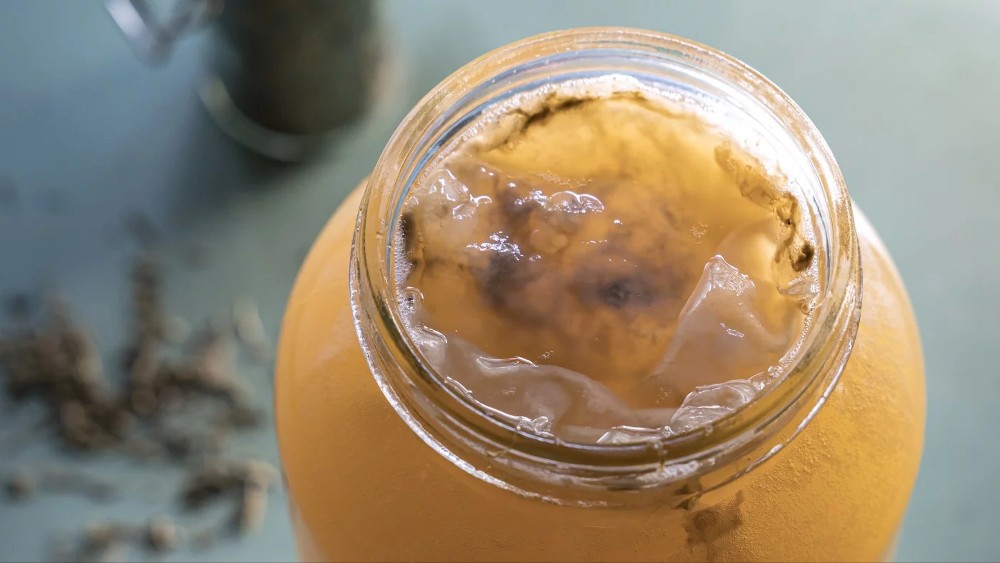
Kombucha begins as sweetened tea that is fermented using a SCOBY (Symbiotic Culture of Bacteria and Yeast, often referred to as “tea fungus”). During fermentation, the SCOBY converts the sugars in the tea into fructose and glucose, which are subsequently transformed into ethanol (alcohol). The SCOBY then further oxidizes this ethanol, producing organic acids such as acetic acid—the primary component of vinegar, after water—thus imparting kombucha with its distinctive tart flavor. This is the basis for classifying it as alcoholic kombucha.
These natural chemical processes not only influence the flavor of kombucha but also contribute to its nutritional benefits, similar to those found in other fermented foods such as pickles, kimchi, and yogurt. While further extensive clinical trials are necessary, several studies indicate a positive correlation between kombucha consumption and various health benefits, including enhanced gut health, reduced inflammation, improved skin health, liver support, and even diabetes management. The specific health benefits of alcoholic kombucha may vary depending on factors such as the type of sugar used, fermentation duration, and the composition of the SCOBY for each batch, according to researchers.
How much alcohol is present in kombucha?
The alcohol content in each batch of kombucha varies due to several factors, primarily the duration of fermentation and the specific type of yeast utilized.
Homebrewed kombucha typically has a slightly higher alcohol by volume (ABV) compared to commercial varieties, with many homebrewers reporting averages ranging from 0.5% to 3%—still significantly lower than the ABV of a standard hard seltzer, which averages around 5%.
Commercial brewers implement various techniques to reduce alcohol content in their products, ensuring compliance with the 0.5% ABV threshold. At Wana, our in-house laboratory technicians invest considerable time in researching, testing, and refining our processes to optimize them for our fruit and botanical-infused kombucha. Our proprietary methods employ a range of tools without the use of any preservative chemicals.
However, it is essential to recognize that, regardless of the precautions taken by home or commercial brewers, the ABV of kombucha can increase if it is not stored properly. Just as steeping time affects caffeine levels, fermentation duration influences alcohol production. Research indicates that if kombucha is maintained at temperatures above 39.2°F, it is likely to continue fermenting, thereby producing additional alcohol. (It is advisable to note that the U.S. Food & Drug Administration recommends all refrigerators be set to 40°F or lower, with 37°F being the optimal temperature.) Consequently, proper storage is vital for all refrigerated products.
How much alcohol is in Wana Kombucha?
We perform comprehensive laboratory testing to ensure that our open-air fermented, 100% raw, and unpasteurized kombucha maintains an alcohol by volume (ABV) of below 0.5%, assuming proper refrigeration. With an ABV under 0.5%, our kombucha is classified as a non-alcoholic beverage.
Producing Alcoholic Kombucha in the Industry
“Hard kombucha” refers to the higher-alcohol variant of kombucha, aimed at consumers over 21 seeking alternatives to traditional alcoholic beverages. There are several methods to achieve this. One method involves adding alcohol to a completed kombucha brew. Another method resembles the traditional fermentation process but incorporates multiple fermentation stages to increase alcohol content. After the initial fermentation, many brands add extra sugar and yeast to initiate a second fermentation, converting that sugar into additional alcohol. Depending on the brand, alcohol content can range from 3% to approximately 8%. Research on the presence of probiotics and other health benefits in hard kombucha is ongoing.
In summary, kombucha can contain alcohol, and the production of alcoholic kombucha is gaining popularity in the beverage industry. Whether you appreciate its health benefits or are simply looking for a refreshing drink, alcoholic kombucha provides a unique option for many consumers. Always check labels to understand the alcohol content, especially if you are interested in trying this fermented beverage. Cheers to finding your new favorite drink!