
From sparkling water and ready-to-drink coffee to juices, sports drinks, and functional beverages, the beverage manufacturing process turns a formula into a safe, consistent product that can be produced at scale. While exact steps vary by beverage type (still vs. carbonated, dairy vs. shelf-stable, hot-fill vs. aseptic), modern drink production generally follows a structured sequence: develop the product, secure ingredients, blend and process the liquid, apply the right food-safety treatment, then fill and package under controlled conditions.
Below is a practical, inside-the-plant look at how beverages are manufactured today—plus the challenges manufacturers navigate and how OEM beverage manufacturing can help brands bring products to market efficiently.
What Is the Beverage Manufacturing Process?
The beverage manufacturing process is the end-to-end set of activities used to develop, produce, and package a beverage for commercial sale. It includes formulation, ingredient management, production and processing, food-safety controls, quality testing, and packaging operations. Because beverages are consumed directly, manufacturers design the process to protect product safety (microbiology and allergens), preserve taste and texture, and deliver consistent results from batch to batch.
In practice, the drink manufacturing process is built around three goals:
- Safety: validated processing steps (such as pasteurization or aseptic processing), sanitary equipment, and routine testing.
- Consistency: controlled mixing, temperature, time, and packaging conditions to keep flavor and performance stable.
- Scalability: equipment and SOPs that can support higher volumes without changing the product’s core attributes.
Key Stages in Drink Manufacturing
While each facility may use different equipment and sequencing, most modern beverage production follows the stages below.
Product Development and Formulation
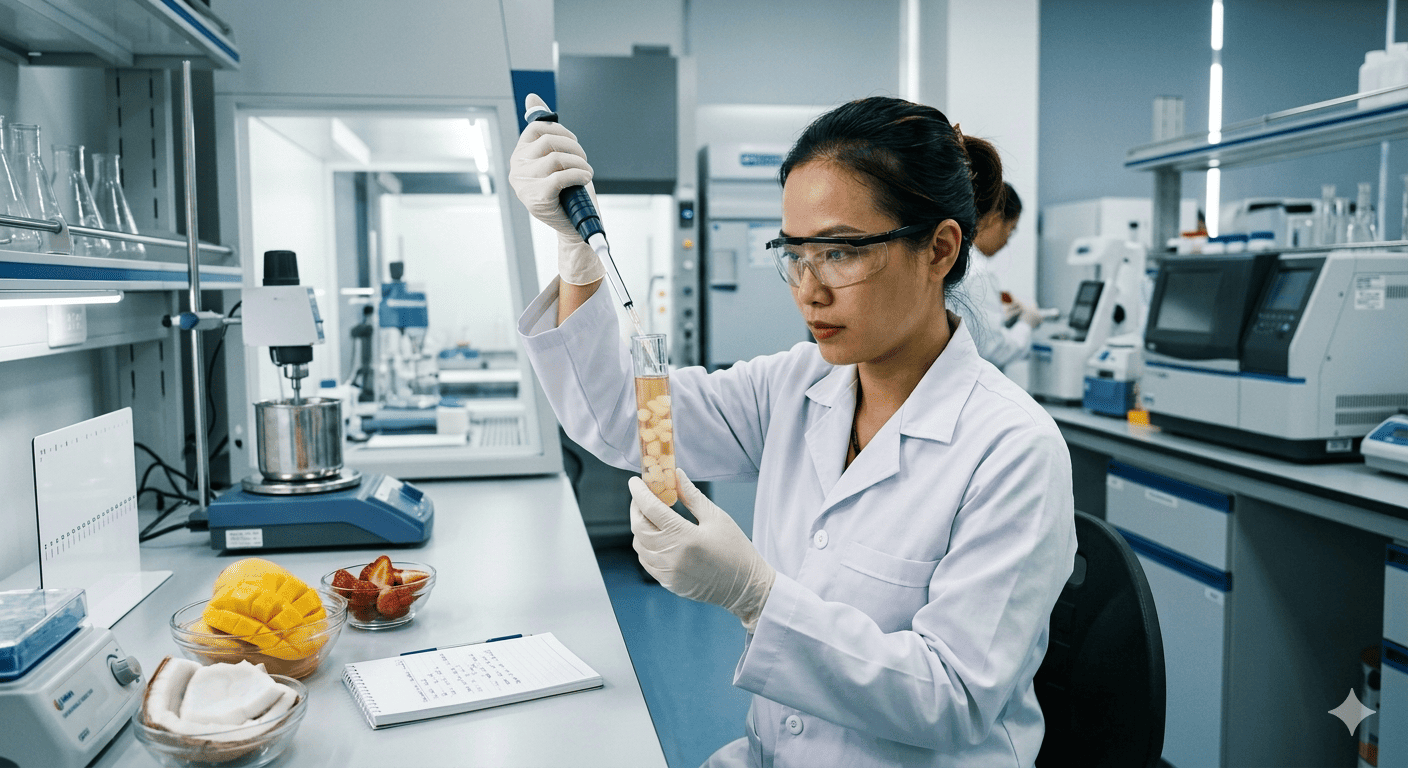
This stage defines what the beverage is and how it should perform. Teams develop a formula that meets taste targets, nutritional goals, regulatory requirements, and cost parameters. Bench and pilot trials help confirm that the beverage remains stable over time (for example, no separation, sedimentation, or flavor drift) and that it can be manufactured on the intended processing line.
Typical activities include:
- Creating and refining the base recipe (sweeteners, acids, flavors, functional ingredients, carbonation targets).
- Stability and shelf-life evaluation (pH, brix, viscosity, emulsion stability, sensory checks).
- Packaging compatibility checks (interaction with plastic, can linings, caps, oxygen exposure).
Ingredient Sourcing and Quality Control
Once the formula is set, manufacturers source ingredients that meet both specification and supply continuity needs. Because many beverages rely on agricultural inputs (fruit, botanicals, sugar sources), suppliers and lots can vary—so strong incoming quality control is essential to maintain consistency.
Quality control during sourcing commonly includes:
- Supplier qualification: documentation review, audits, and verification of food-safety programs.
- Ingredient testing: identity checks, microbiological screening, allergen verification, and conformance to specs.
- Traceability: lot tracking for rapid investigation and recall readiness if needed.
Mixing, Homogenization, and Processing
This is where the formula becomes a uniform beverage at production scale. Ingredients are weighed or metered, then blended in mix tanks using controlled agitation, temperature, and time. For emulsified or high-protein drinks, homogenization (high-pressure or other methods) helps reduce particle size and create a stable, consistent mouthfeel.
Processing steps vary by beverage type, but often include:
- Dissolving and blending: integrating powders, syrups, concentrates, and liquids evenly.
- Filtration: removing particulates where clarity or smoothness is required.
- Deaeration: reducing dissolved oxygen to protect flavor and color (important for sensitive ingredients).
- Carbonation (when applicable): dissolving CO₂ under controlled pressure and temperature for consistent “bite.”
Pasteurization and Sterilization
To make beverages safe and shelf-stable (or to extend refrigerated shelf life), manufacturers apply validated heat treatment or other lethality steps. The right approach depends on the beverage’s pH, ingredients, packaging method, and desired shelf life.
- Pasteurization: uses controlled heat to reduce harmful microorganisms to safe levels. Common for juices, teas, and many refrigerated beverages.
- Sterilization / aseptic processing: uses more intensive treatment and sterile handling to achieve long shelf life at ambient temperatures. Often used for shelf-stable functional drinks, dairy alternatives, and certain RTD products.
These steps are tightly monitored (temperature, flow rate, hold time) and supported by sanitation and environmental controls to prevent recontamination.
Filling and Packaging
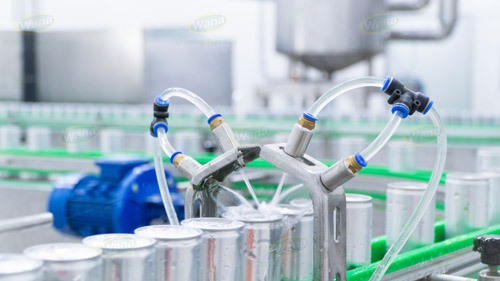
After processing, the beverage is filled into its final package—cans, glass, PET, cartons, pouches, or other formats—using equipment designed to protect product quality. The filling environment, cap or seam integrity, and oxygen management can make a major difference in shelf life and taste.
Key considerations in this stage include:
- Hygienic filling: clean-in-place (CIP) procedures, sterile zones (when needed), and controlled handling.
- Packaging performance: barrier properties, light protection, pressure rating for carbonated products, and shipping durability.
- Labeling and compliance: ingredient statements, allergens, nutrition facts, claims substantiation, and date coding.
Challenges and Innovations in Beverage Manufacturing
Modern beverage manufacturing balances speed, safety, and innovation—often while dealing with shifting consumer trends and supply constraints. Common challenges include ingredient variability, cost volatility, regulatory compliance, and maintaining consistent flavor and stability as volumes scale.
In response, beverage plants are adopting innovations that improve control and efficiency, such as:
- Automation and real-time monitoring: sensors and controls that track critical parameters (temperature, pressure, brix, pH) to reduce variation.
- Advanced filtration and separation: methods like microfiltration to improve clarity and microbial control for certain beverages.
- Sustainable operations: lightweight packaging, recyclable materials, water and energy reduction initiatives, and waste-stream optimization.
- Faster iteration cycles: pilot-scale testing and data-driven formulation adjustments to keep up with new flavors and functional ingredients.
OEM Beverage Manufacturing: Outsourcing Production
OEM beverage manufacturing (often described as contract manufacturing or co-packing) is when a brand outsources part or all of the drink manufacturing process to a specialized producer. This model can be especially helpful for new product launches, seasonal demand, or brands that want to focus on sales and marketing rather than building and operating a plant.
Potential benefits of OEM beverage manufacturing include:
- Access to equipment and expertise: specialized lines for carbonation, hot-fill, aseptic, or other processes.
- Faster time-to-market: established SOPs and compliant facilities can shorten the path from concept to shelf.
- Scalable capacity: ability to ramp up (or down) without major capital investment.
- Quality systems: dedicated QA/QC programs, traceability, and documentation support.
When evaluating an OEM partner, brands typically look at process capabilities (what formats and treatments they support), minimum order quantities, lead times, quality certifications, and how they handle formulation support, ingredient sourcing, and packaging procurement.
Why Choose WANA Beverage?
As one of Vietnam’s trusted beverage manufacturers, WANA Beverage helps brands transform product ideas into commercially successful beverages.
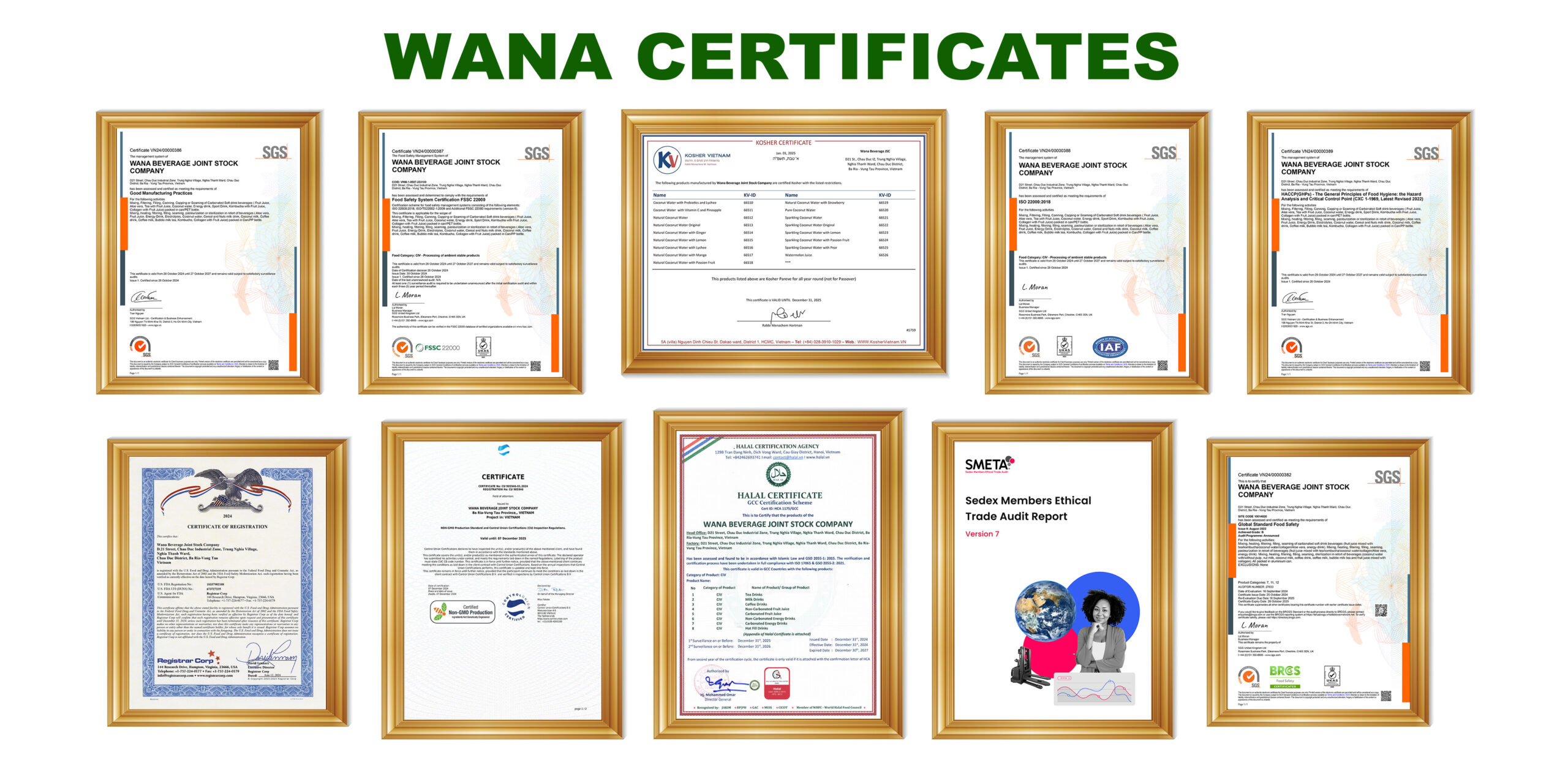
International Certifications
WANA Beverage operates under internationally recognized manufacturing standards, including:
- ISO 22000
- HACCP
- GMP
- HALAL
- FDA Registered
- FSSC 22000
- SEDEX SMETA
Full OEM, ODM, and Private Label Services
Our team supports customers through every stage of product development, from concept creation and formulation to packaging and production.
Strong R&D Capabilities
WANA Beverage continuously develops innovative beverage solutions tailored to changing consumer trends.
Flexible Manufacturing Solutions
We support both growing brands and established companies with customized production solutions.
Export Experience
WANA Beverage serves customers in more than 50+ countries and provides export documentation support to help simplify international market entry.
Diverse Beverage Portfolio
Our manufacturing capabilities include:
- Fruit Juice
- Coconut Water
- Sparkling Drinks
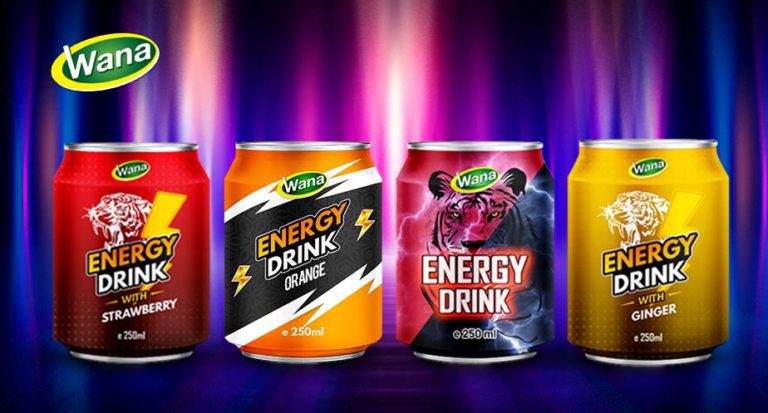
- Energy Drinks
- Functional Beverages
- Tea Drinks
- Coffee Drinks
For brands building a new beverage or scaling an existing one, partnering with an experienced manufacturer can simplify the beverage manufacturing process and help you bring a consistent product to market with confidence.
Looking for a reliable beverage manufacturing partner? Leave your contact information today, and our specialists will provide a customized consultation and production plan for your brand.