
This guide breaks down exactly how to sell drinks to Gen Z by understanding their beverage shopping behavior, values, and purchasing motivations.
Gen Z is changing the beverage industry fast. They have a lot of money to spend, over $360 billion. They use it to buy drinks from brands that they like. These brands should be like them share their values and fit their lifestyle.
So what makes a drink popular with Gen Z? It’s not just about how it tastes or how much it costs.
- They like drinks with ingredients that’re good for them and help with wellness.
-
They also like drinks that look good on media.
This guide will help you make and sell a drink that Gen Z will like.
To do this you need to know what Gen Z likes how they behave and what makes them buy things.
When you sell a drink to Gen Z you are not just selling a drink.
- You are selling a statement, an experience and a brand that they want to be part of a Gen Z drink that they can enjoy.
- Gen Z wants to feel connected, to the brands they choose and drinks are no exception.
- They want their drinks to be a part of who they’re.
The Core Motivations Behind Gen Z’s Beverage Shopping Behavior
Gen Z doesn’t simply purchase drinks — they curate choices that reflect who they are, what they believe in, and how they live. To understand how to sell drinks to Gen Z, brands must look beyond transactions and examine the cultural, psychological, and ethical motivations shaping every decision.
Generation Z beverage shopping behavior is digital-first, trust-driven, and highly experimental — not by accident, but as a direct result of deeper values. These motivations determine where Gen Z discovers drinks, how they evaluate them, and why they stay loyal.
1. Alignment with Values and Ethics
Motivation: Purpose-driven consumption
Resulting behavior: They research before they buy.
Gen Z expects beverages to stand for something. Environmental responsibility, social impact, and corporate transparency are no longer differentiators — they are decision filters. This motivation drives a shopping behavior rooted in investigation: scanning labels, questioning sourcing, and evaluating packaging choices such as aluminum over plastic.
Trust is built through visible proof points: clean-label formulations, responsible manufacturing, certified claims, and authentic social positioning. Traditional advertising alone carries little weight. For Generation Z drinks, credibility must be demonstrated, not declared.
The Brand Takeaway: Ethics can’t be an afterthought in a campaign. They must be the foundation of your formula, your packaging, and your supply chain. From seed to shelf, your process is now your most powerful marketing asset.
2. Identity and Self-Expression
Motivation: Belonging, individuality, and cultural alignment
Resulting behavior: They discover socially and buy what is shareable.
For Gen Z, beverages function as markers of identity. What they drink communicates lifestyle, values, and community affiliation. This is why youth market beverages are discovered primarily on social platforms — where drinks exist as visual content and cultural symbols.
Packaging design, brand tone, and consumption moments all influence purchase decisions. Products aligned with fitness culture, gaming communities, beauty aesthetics, or sober-curious lifestyles gain traction because they offer social relevance. Limited editions thrive because they deliver novelty, exclusivity, and cultural currency.
Business implication: Successful Gen Z beverage brands design products not only to taste good, but to be seen, shared, and recognized.
3. Holistic Wellness Orientation
Motivation: Physical, mental, and emotional optimization
Resulting behavior: They prioritize function and ingredient clarity.
For Gen Z, wellness is not a trend — it is the baseline. This motivation underpins the explosive growth of functional beverages and non-alcoholic alternatives within Generation Z drinks.
Shopping behavior reflects this priority. Gen Z consumers quickly assess sugar levels, ingredient quality, and functional benefits such as energy support, gut health, stress reduction, or hydration enhancement. Products that clearly communicate purpose and deliver noticeable benefits are more likely to convert and retain.
Business implication: Beverage innovation targeting Gen Z must integrate functionality into the core formulation, not add it as a surface claim.
4. Trust Built Through Peers, Not Brands
Motivation: Social validation and community belonging
Resulting behavior: They rely on UGC, reviews, and creator voices.
As digital natives, Gen Z consumers place far greater trust in creators, communities, and real users than in corporate messaging. Their purchase journey is shaped by peer recommendation, crowd-sourced validation, and visible product experience.
Discovery is social. Evaluation is collective. Post-purchase sharing is expected. Every consumer becomes a potential media channel, reinforcing or weakening a brand’s credibility in real time.
Business implication: Beverage brands win Gen Z not through exposure, but through adoption — by being embraced within communities rather than broadcast to audiences.
Why Selling Drinks to Gen Z Is Fundamentally Different
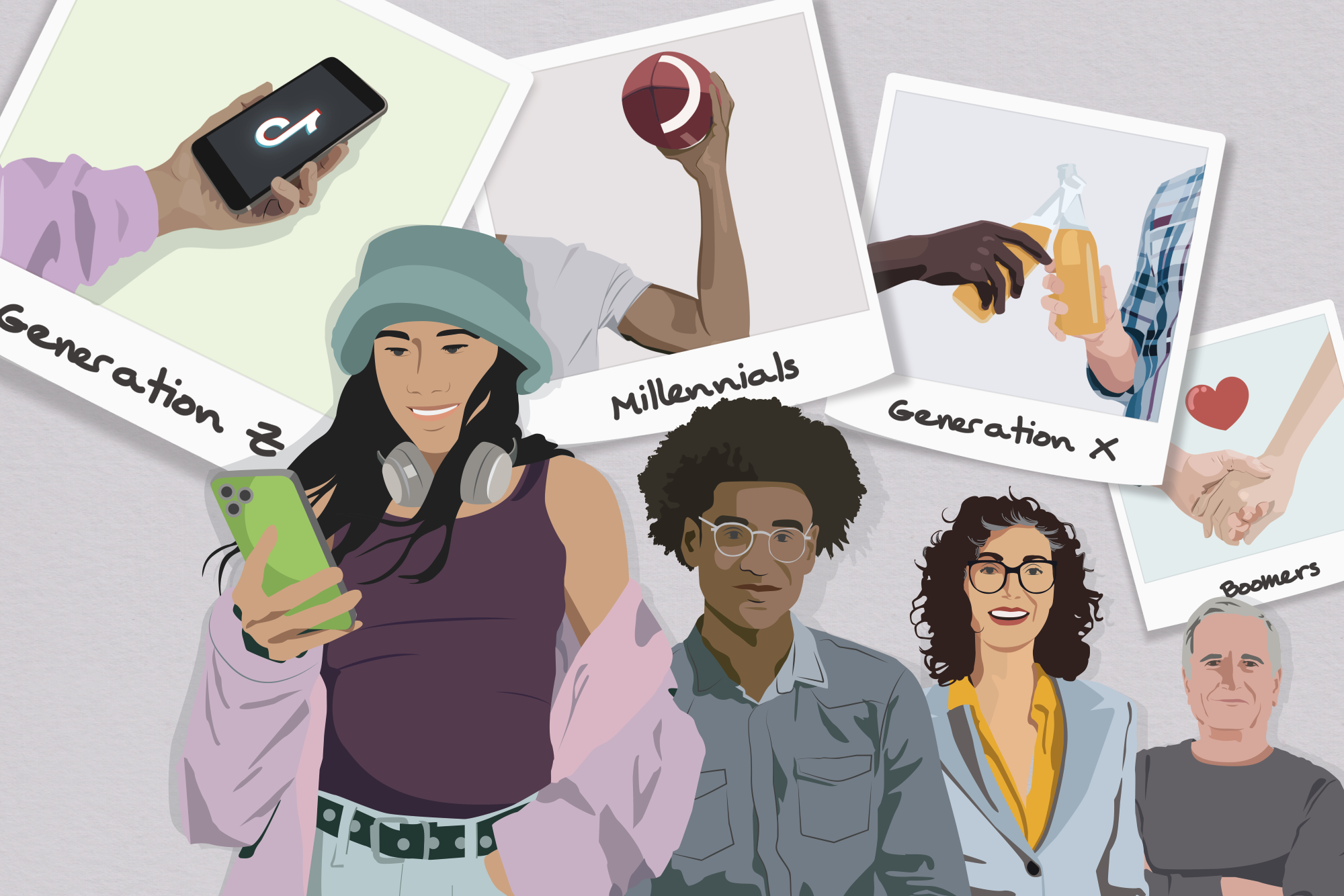
Selling drinks to Gen Z is not an evolution of traditional beverage marketing — it is a structural shift. The strategies that built success with Millennials and Gen X consumers no longer operate with the same effectiveness. Generation Z drinks compete in an environment where culture moves faster than campaigns, credibility outweighs visibility, and product design is inseparable from brand identity.
To reach this generation, beverage brands must adapt to three fundamental changes reshaping the youth market beverage landscape.
1. From Mass Messaging to Cultural Integration
Previous beverage growth models were built on reach: large campaigns, repeated exposure, and retail dominance. Gen Z operates differently. They do not passively receive marketing — they actively curate what enters their digital and social environments.
Gen Z adopts beverages when they appear organically within culture: in creator routines, fitness communities, beauty rituals, gaming streams, and sober-curious conversations. Generation Z drinks succeed when they feel like part of a lifestyle, not a product being sold.
For beverage businesses, this means selling drinks to Gen Z requires embedding products into moments, communities, and narratives — not relying solely on paid media.
Industry shift: Brands must move from campaign thinking to community and culture thinking.
2. From Brand Authority to Earned Credibility
Traditional beverage brands were built on authority. Logos, shelf space, and advertising established trust. Gen Z reverses this hierarchy. Credibility is not assumed — it is audited.
Gen Z beverage shopping behavior reflects this change. Consumers evaluate ingredient transparency, manufacturing values, peer feedback, and real-world product performance before committing. Trust is built horizontally through people and platforms, not vertically through institutions.
Generation Z drinks gain momentum through visible adoption, not promotional intensity. A beverage recommended by a micro-creator or validated through community use often carries more influence than a national campaign.
Industry shift: Beverage brands must design for proof, not promises.
3. From Stable Portfolios to Continuous Reinvention
Historically, beverage portfolios were optimized for consistency: long product life cycles, minimal formulation change, and incremental innovation. Gen Z disrupts this model.
Youth market beverages thrive on novelty, limited releases, functional upgrades, and fast design evolution. Gen Z expects brands to respond to emerging formats, flavor trends, wellness insights, and cultural movements in near real time.
At the same time, loyalty is conditional. While Gen Z experiments frequently, retention is earned only when products integrate into daily routines and continue to evolve with consumer identity.
Industry shift: Beverage businesses must operate with startup speed inside scalable manufacturing systems.
What This Means for Beverage Brands and Manufacturers
Selling drinks to Gen Z requires more than creative marketing — it demands structural alignment across product development, packaging, supply chain, and brand positioning.
Beverage companies targeting Generation Z drinks must build:
- Faster innovation pipelines
- Flexible manufacturing and packaging capabilities
- Trend-responsive formulation strategies
- Brand systems designed for digital and retail simultaneously
For OEM, private label, and beverage manufacturing partners, this shift creates a significant opportunity. Brands entering the youth market beverage space need agile development, lower-risk launch models, and production systems capable of keeping pace with Gen Z’s evolving expectations.
Gen Z Non-Alcoholic Preferences and the New Beverage Opportunity
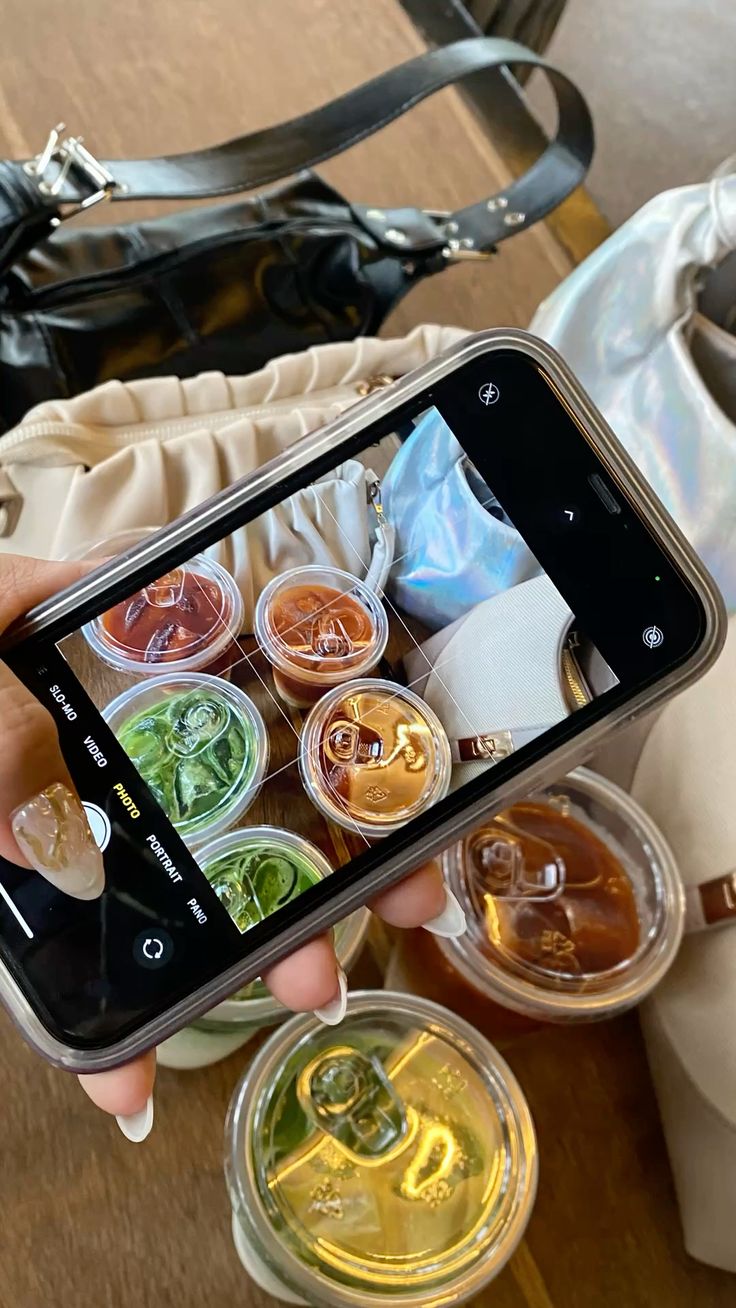
One of the most visible signals of change within Generation Z drinks is the rapid shift away from traditional alcohol consumption. For Gen Z, drinking is no longer centered on intoxication — it is centered on experience, function, and control. This evolution is not a passing trend; it reflects a fundamental change in how youth market beverages fit into everyday life.
Gen Z non-alcoholic preferences are accelerating growth across functional drinks, mocktails, wellness beverages, and enhanced waters. These categories are not replacing alcohol with absence — they are replacing it with purpose
Decoding the Purchase Journey (The “How” They Shop)
From #DrinkTok to Checkout: Mapping the Gen Z Beverage Funnel
Understanding Gen Z beverage shopping behavior is essential for any brand looking to sell drinks to this generation. Unlike older consumers, Gen Z does not move through a straight-line funnel. Their purchase journey is fluid, looped, and constantly influenced by digital discovery, peer validation, and instant emotional response.
For Generation Z drinks, a beverage is no longer just a product — it is content, a conversation piece, and often a reflection of personal identity. To successfully convert attention into sales, beverage brands must understand and engage with every stage of this modern, culture-driven funnel.
Stage 1: Discovery – Where New Drinks Become Content
Discovery is social-first and usually happens long before a store visit. Gen Z finds new drinks primarily through digital environments where entertainment, identity, and commerce overlap.
Key discovery drivers include:
- Short-form video and creator culture: A single TikTok or Instagram Reel from a relatable creator can propel a drink into mainstream awareness. Viral trends frequently introduce beverages as part of lifestyle moments, routines, or aesthetic storytelling.
- Community and subculture influence: Drinks often gain traction within niche ecosystems such as fitness, gaming, beauty, or the sober-curious movement.
- Visual storytelling: Packaging, color, format, and consumption moments must be visually compelling. If a drink is not shareable, it rarely becomes searchable.
Key insight: For youth market beverages, your product launch strategy must function as a content strategy. Gen Z drinks are designed to be discovered, not merely distributed.
Stage 2: Consideration – The Lightning-Fast Evaluation
Once aware, Gen Z’s evaluation process is fast, instinctive, and highly visual. Decisions are often made within seconds, based on how a drink aligns with both functional needs and identity cues.
Primary evaluation factors include:
- Visual identity and brand authenticity: Packaging design, tone of voice, and messaging must feel genuine, culturally aware, and aligned with Gen Z values.
- Perceived benefit and transparency: Functional purpose must be immediately clear. Clean labels, recognizable ingredients, and honest positioning strongly influence trust.
- Social proof: Gen Z actively seeks validation through UGC, reviews, creator content, and community feedback. Credibility is built through people, not promotions.
At this stage, Generation Z drinks must answer two questions instantly: “What does this do for me?” and “Does this fit who I am?”
Stage 3: Purchase – Seamless Omni-Channel Execution
For Gen Z, the boundary between online and offline retail no longer exists. Their purchase path is fluid and platform-agnostic.
A common pattern includes discovering a drink through social media, confirming interest in-store through packaging and vibe, and then repurchasing through delivery platforms, DTC websites, or subscriptions.
Key commercial implications:
- Frictionless access is non-negotiable. Complex checkouts, limited availability, or inconsistent branding break momentum.
- Experimentation is high, loyalty is conditional. Limited editions and new formats drive trial, but retention depends on whether a drink integrates naturally into daily rituals and routines.
Successful youth market beverages prioritize both instant availability and long-term habit formation.
Stage 4: Post-Purchase – The Loyalty Loop
For Gen Z, checkout is not the end of the journey — it is the beginning of amplification.
- Shared experience: Satisfied consumers frequently post, tag, and create content, transforming into organic brand advocates.
- Community feedback: Public reviews and social discussion become the social proof that fuels the next discovery cycle.
- Dynamic loyalty: Gen Z loyalty is active, not passive. It is sustained through continued innovation, engagement, and value alignment. Brands that stagnate or misalign can quickly lose relevance.
In this looped journey, every customer is also a media channel. The post-purchase stage is where Gen Z beverage shopping behavior transforms individual sales into scalable demand.
Turning Gen Z Insights Into Beverage Growth That Lasts
Building for the Gen Z Era: It’s a Partnership Play
Mastering this new landscape requires more than insight—it demands agility. You need a product development and manufacturing partner that moves at the speed of culture. This is where vision meets execution.
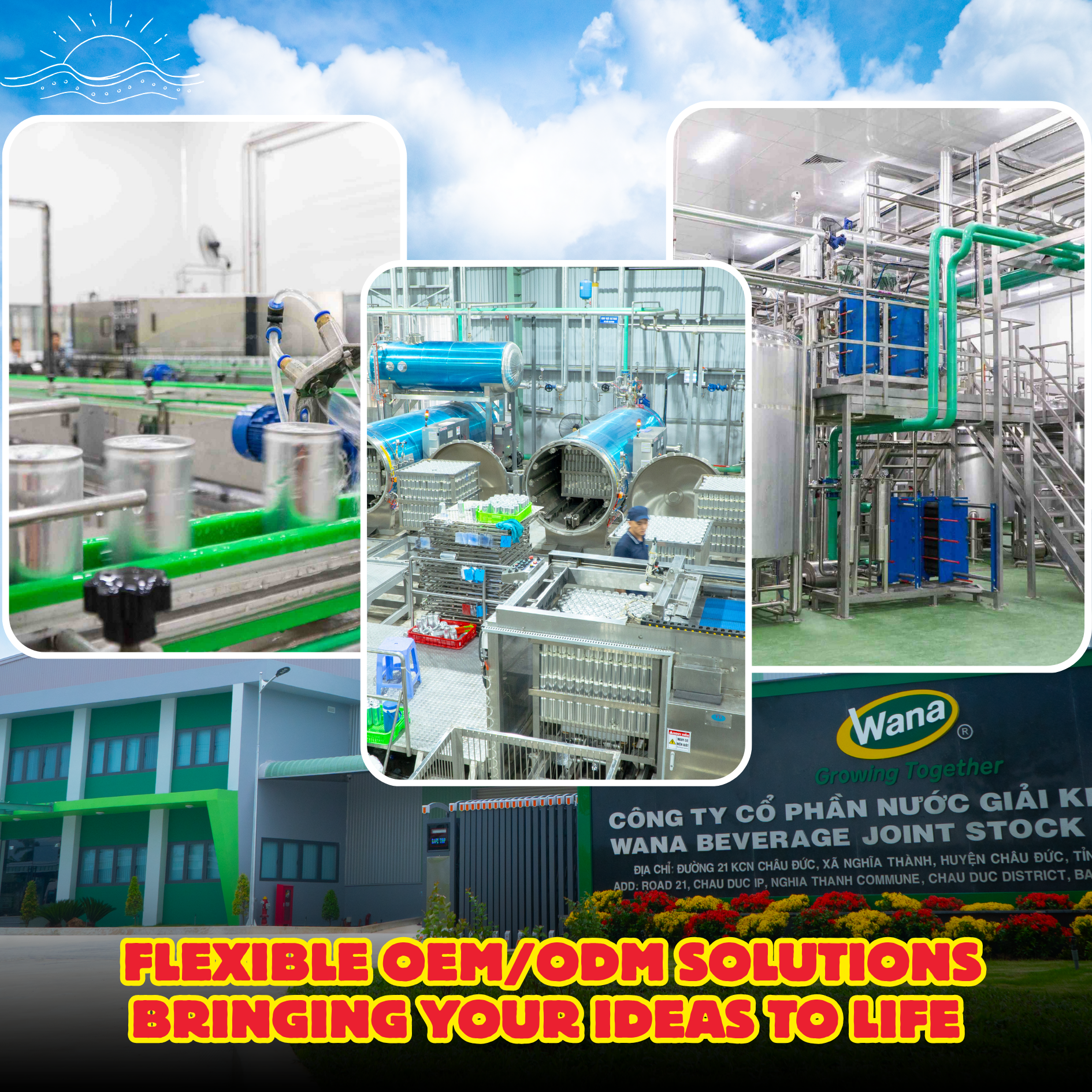
At Wana, we are that partner. We specialize in translating deep Gen Z insights into market-ready, trend-responsive beverages—fast. From functional formulation and purpose-driven design to flexible, low-MOQ production and private label solutions, we provide the scalable infrastructure for fearless innovation. We help you de-risk launches, test with precision, and iterate based on real-world feedback, ensuring your brand doesn’t just chase trends, but defines them.
Ready to build the beverage brand Gen Z is waiting for? Let’s talk about your next launch.