What is Smart Beverage Production?
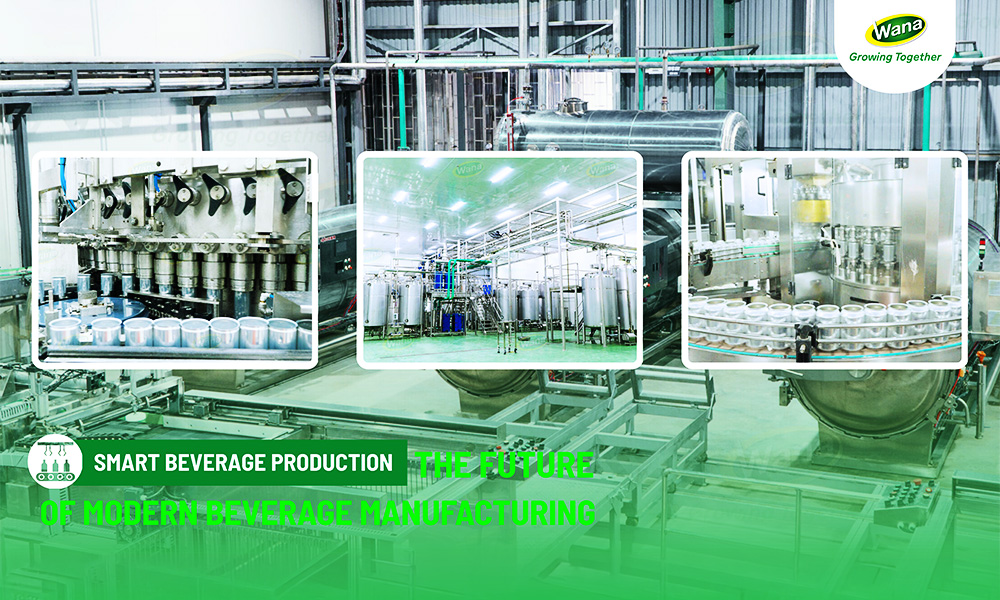
Smart beverage production refers to the application of advanced technology, automation, and intelligent monitoring systems in beverage manufacturing processes. This approach allows companies to produce beverages more efficiently while maintaining consistent quality and high safety standards.
In modern beverage factories, smart production systems integrate automated machinery, real-time quality monitoring, and data-driven management. This approach reduces human error, increases productivity, and ensures that every bottle or can meets strict quality standards.
As global demand for beverages continues to grow, smart beverage production is becoming a key factor that helps companies maintain competitiveness in the international market.
Why is Smart Beverage Production Important in the Beverage Industry?
The beverage industry is developing rapidly. Today’s consumers expect high-quality products, safe ingredients, and consistent taste every time they purchase a drink.
Smart beverage production enables manufacturers to meet these expectations through several advantages.
Consistent Product Quality
Advanced monitoring systems track every stage of the production process, from ingredient preparation to filling and packaging.
Quality control teams can continuously monitor key factors such as:
🔸Temperature
🔸Sugar level (Brix)
🔸Flavor consistency
🔸Food safety standards
This ensures that every batch maintains consistent taste, texture, and product quality.
For example, in the production of coconut water in a modern beverage factory, the system can control pasteurization temperature, filling pressure, and precise volume for each can. As a result, the coconut water consistently maintains its fresh taste and uniform texture.
Higher Production Efficiency
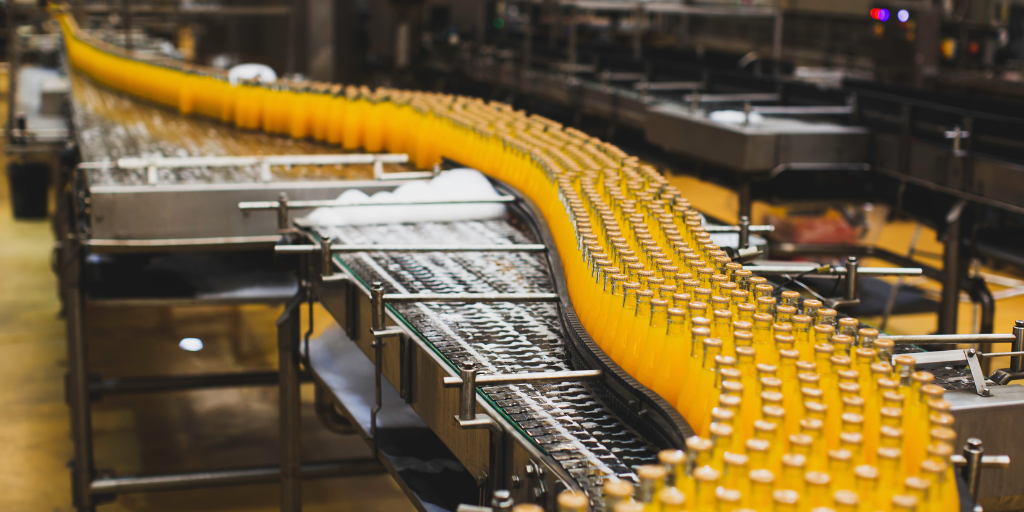
Automation significantly improves productivity. Modern beverage factories can produce 2,000 to 12,000 bottles or cans per hour with high precision.
Automated systems can handle multiple stages of production, including:
🔸Ingredient mixing
🔸Filling and capping
🔸Packaging
🔸Labeling
This reduces machine downtime and improves overall production efficiency.
Reduced Production Errors
Human errors can affect product quality and lead to unnecessary waste. Smart beverage production minimizes these risks through precision-controlled equipment and automated processes.
Machines operate under stable parameters, ensuring reliable and repeatable production results.
For example, in carbonated beverage production, the amount of CO₂ must be precisely controlled. If the pressure is unstable, the product may contain too little carbonation or excessive foam.
Automated control systems adjust the CO₂ level accordingly to ensure that every bottle has the same level of carbonation.
Key Technologies in Smart Beverage Production
Smart beverage production relies on several advanced technologies to improve productivity and product quality.
Automated Production Lines
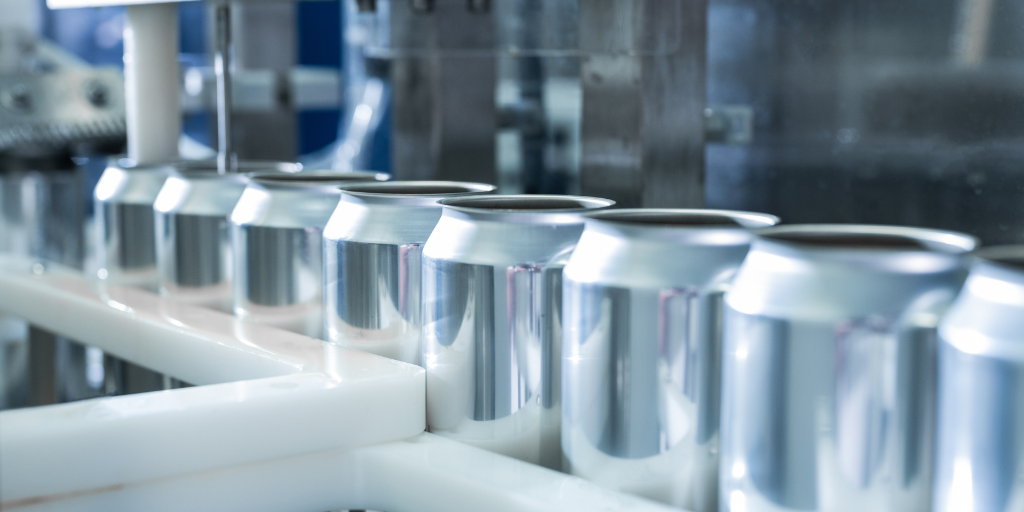
Modern beverage factories use fully automated production lines that connect multiple manufacturing stages into a seamless process.
Typical production steps include:
🔸Ingredient preparation
🔸Mixing and blending
🔸Pasteurization or sterilization
🔸Filling and sealing
🔸Packaging and labeling
Automation allows the entire production line to operate smoothly with minimal manual intervention.
Real-Time Quality Monitoring
Quality control is one of the most critical aspects of beverage manufacturing.
Smart production systems allow factories to monitor production parameters in real time. If any abnormal situation occurs, the system can immediately detect it and alert the operating team.
This helps ensure:
🔸Consistent product quality
🔸Higher food safety standards
🔸Compliance with international regulations
For example, in bottled tea production, sensor systems can monitor:
🔸Tea brewing temperature
🔸Extraction time
🔸Product color and clarity
If these parameters exceed the acceptable range, the system will immediately notify the technical team for inspection.
Data-Driven Production Management
Smart beverage production also uses production data to optimize operations.
Production data helps companies:
🔸Monitor machine performance
🔸Control production output
🔸Predict maintenance requirements
🔸Improve production planning
By analyzing this data, beverage companies can continuously improve operational efficiency while reducing production costs.
What Does Smart Beverage Production Mean for Beverage Brands?
| Smart Manufacturing Capability | Benefit for Beverage Brands |
|---|---|
| Automated production | Higher production efficiency |
| Real-time monitoring | Consistent quality |
| Data-driven management | Better production planning |
| Predictive maintenance | Less unexpected downtime |
| Automated packaging | Faster packaging operations |
| Digital quality control | Better traceability |
Benefits of Smart Beverage Production for Beverage Brands
Applying smart manufacturing technology offers many advantages for beverage brands.
Faster Response to Market Trends
With efficient production systems, companies can quickly respond to changing market trends and consumer demand.
For example, beverage brands can rapidly develop and produce new products such as:
🔸Functional beverages
🔸Carbonated beverages
Better Product Consistency
One of the biggest challenges in beverage manufacturing is maintaining consistent taste and quality when producing at large scale.
Smart beverage production ensures that every bottle delivers the same refreshing taste and product experience.
Improved Sustainability
Modern smart factories are also designed to reduce waste and optimize energy usage.
Key benefits include:
🔸Reduced water consumption
🔸Optimized energy usage
🔸Reduced production waste
🔸More sustainable packaging processes
These improvements help beverage companies achieve global sustainability goals.
The Future of Smart Beverage Production
As technology continues to advance, smart beverage production will become even more sophisticated.
In the future, beverage factories may integrate:
🔸Artificial Intelligence (AI) for production optimization
🔸IoT sensors for real-time monitoring
🔸Predictive maintenance systems
🔸Fully digitalized production management
These innovations will further improve manufacturing efficiency while ensuring the highest product quality.
For beverage companies aiming to expand into global markets, automated beverage production is no longer an option but a necessity for long-term growth.
Why Choose WANA Beverage for Smart Beverage Manufacturing
WANA Beverage combines modern manufacturing technology with experienced R&D and quality management to help beverage brands turn product concepts into market-ready products. With over 20 years of experience, WANA provides OEM, ODM, and private label beverage solutions for customers across international markets.
From formulation development and ingredient sourcing to automated production, quality control, packaging, and export support, WANA offers an integrated manufacturing process under one roof. This allows brands to work with one partner throughout the product development and production journey.
WANA also focuses on production consistency and flexibility. By applying automated manufacturing systems and standardized quality controls, the company helps brands maintain consistent product quality while scaling production as demand grows.
For beverage brands looking for a manufacturing partner that combines technology, product development expertise, and scalable production, WANA Beverage provides a comprehensive solution designed for long-term growth.
Frequently Asked Questions
Conclusion
Smart beverage production is transforming the beverage manufacturing industry. By combining automation, advanced technology, and intelligent quality control systems, companies can produce beverages more efficiently while maintaining consistent product quality.
For modern beverage brands, investing in advanced production systems means higher efficiency, greater reliability, and stronger competitiveness in the global market.