Why Do Beverage Packaging Materials Matter?
In the modern beverage industry, packaging is more than just a protective layer. It plays a critical role in preserving product quality, extending shelf life, optimizing transportation costs, and building brand identity.
For beverage manufacturers, choosing the right packaging material can directly impact consumer experience as well as overall business performance. For example, carbonated beverages require packaging that can withstand internal pressure, while fruit juices or functional drinks need materials that help preserve flavor and nutritional value.
As consumers become increasingly concerned about sustainability, companies must also consider environmentally friendly packaging solutions. This is why conducting a beverage packaging materials comparison is an essential step for brands when selecting the most suitable packaging for their products and long-term development strategy.
This article will analyze the most common beverage packaging types used today, including aluminum cans, PET plastic bottles, glass bottles, and aseptic cartons, while comparing their advantages, limitations, and applications.
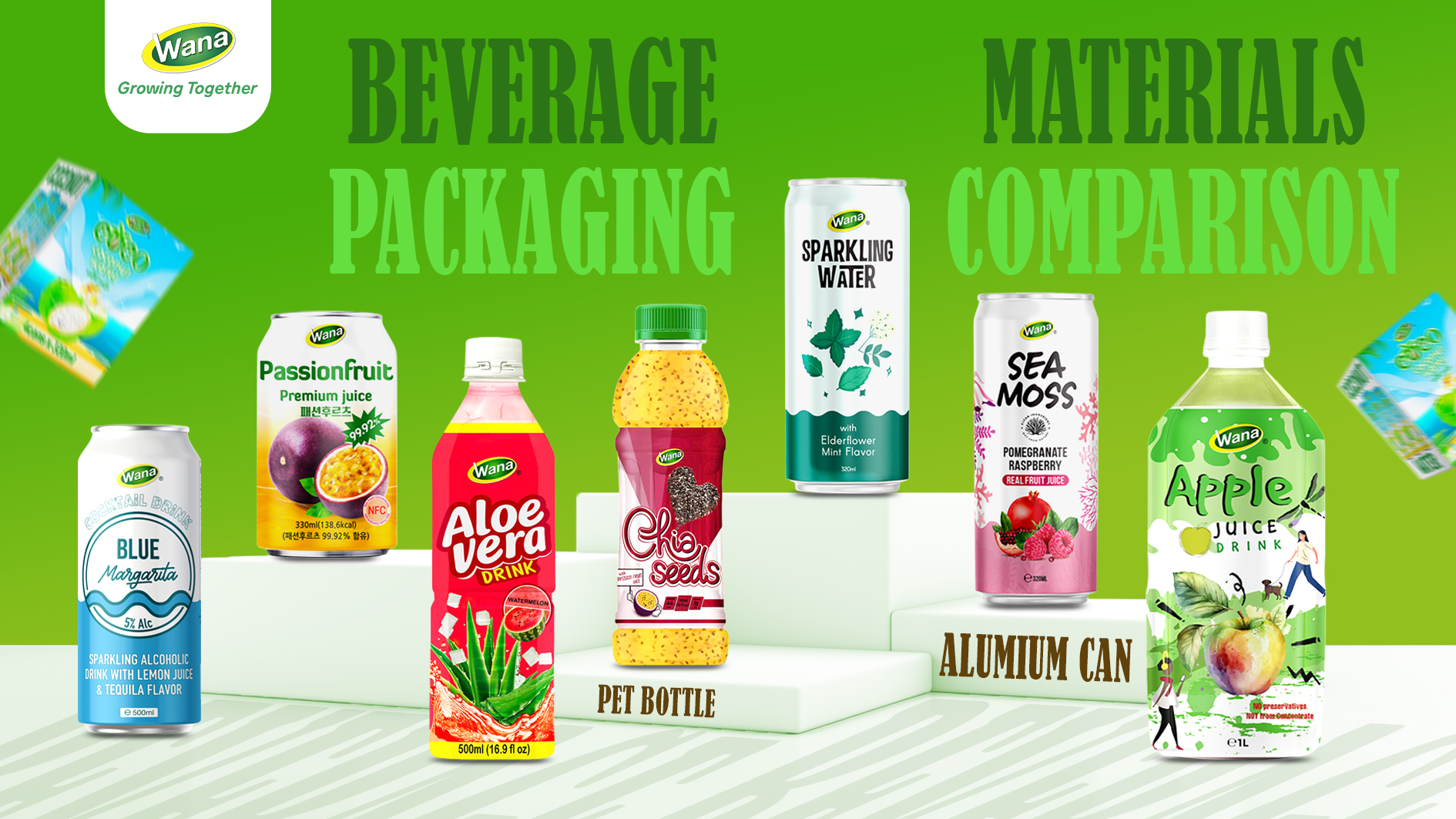
Common Beverage Packaging Materials
Aluminum Cans
Aluminum cans are among the most widely used packaging formats in the beverage industry, particularly for carbonated drinks. Thanks to their lightweight structure, durability, and high recyclability, aluminum cans have become a popular choice for beverage brands worldwide.
Advantages
- Excellent product protection
Aluminum cans effectively block light and oxygen, helping preserve the flavor and quality of the beverage inside. This is especially important for products such as carbonated soft drinks or energy drinks.
- High sustainability
Aluminum is one of the most recyclable materials available. Aluminum cans can be recycled multiple times without losing material quality, helping reduce environmental impact.
- Lightweight
Compared with glass bottles, aluminum cans are significantly lighter, reducing transportation costs and improving supply chain efficiency.
Limitations
- Consumers cannot see the beverage inside
- Cans can dent during transportation or production
- Production costs may be higher than some plastic packaging options
Common Applications
Aluminum cans are widely used for:
- Carbonated soft drinks
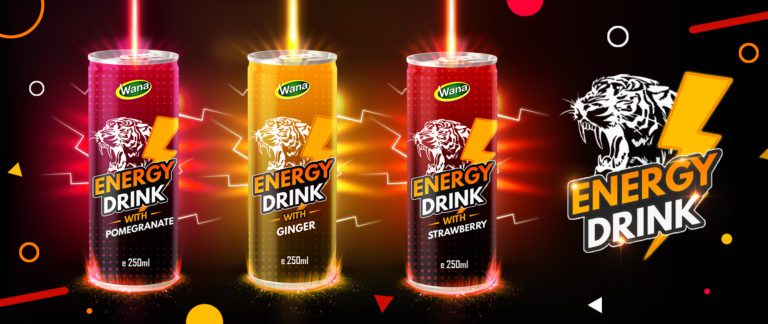
- Energy drinks
- Sparkling beverages
- Ready-to-drink tea or coffee
- Fruit juice
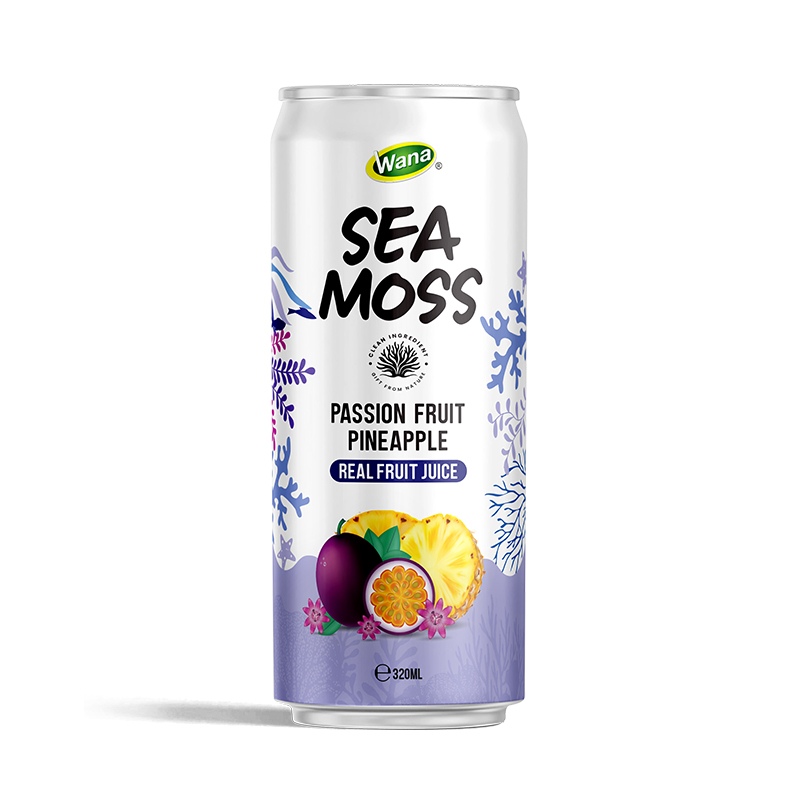
- Sea moss fruit juice

PET Plastic Bottles
PET plastic bottles are the most widely used packaging material in the global beverage industry. Due to their reasonable cost and convenience, PET bottles are used for a wide range of beverage products.
Advantages
- Low production cost
PET is relatively inexpensive compared to other packaging materials, helping companies optimize product pricing.
- Lightweight and shatter-resistant
Unlike glass bottles, PET bottles are durable and resistant to impact, reducing the risk of damage during transportation.
- Flexible design
PET bottles can be manufactured in many shapes and sizes, allowing brands to create distinctive packaging designs.
- Product visibility
Consumers can easily see the beverage inside, which can enhance product appeal and transparency.
Limitations
- Lower barrier protection against oxygen and light compared to aluminum or glass
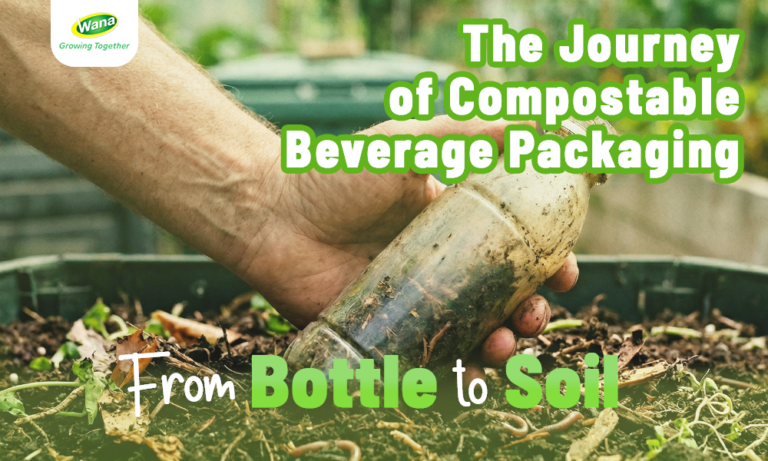
- Some consumers are concerned about the environmental impact of plastic, including long decomposition times and recycling challenges
Common Applications
PET bottles are commonly used for:
- Bottled water
- Fruit juice
- Bottled tea
- Sports drinks
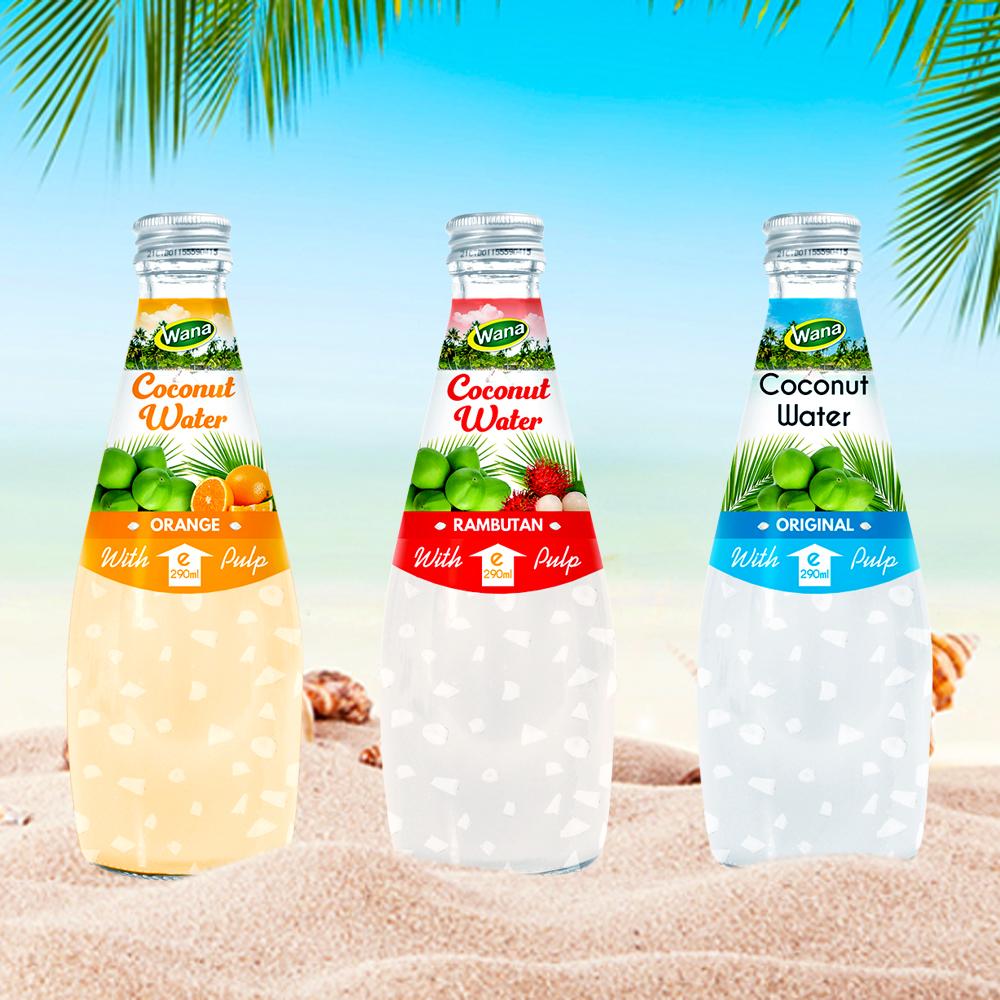
- Coconut water
- Aloe vera with pulp drinks
- Basil seed and chia seed beverages
Glass Bottles
Glass bottles are often considered a premium packaging option in the beverage industry. With their elegant appearance and excellent preservation properties, they are frequently used for products positioned in the premium market segment.
Advantages
- Chemically inert
Glass is a non-reactive material that does not interact with the beverage inside. This helps preserve the original flavor of the product.
- Excellent quality protection
Glass bottles provide strong barriers against gases and moisture, helping extend product shelf life.
- Premium brand perception
Many brands use glass bottles to elevate their brand image and create a more sophisticated consumer experience.
Limitations
- Heavy weight
- Fragile and easily broken
- Higher transportation costs
Common Applications
Glass bottles are commonly used for:
- Premium fruit juices
- Kombucha
- Cold brew coffee
- Functional beverages
- Basil seed and chia seed drinks
Aseptic Cartons
Multi-layer carton packaging, often referred to as aseptic cartons, is a common solution for beverages that require long shelf life without refrigeration.
Advantages
- Long shelf life
Aseptic packaging technology allows beverages to remain stable at room temperature for extended periods.
- Efficient transportation
Cartons can be stacked easily, saving storage space and improving logistics efficiency.
- Suitable for many beverage types
Carton packaging is particularly suitable for products such as milk, plant-based milk, and fruit juices.
Limitations
- Recycling depends on local recycling infrastructure
- Not suitable for carbonated beverages
Common Applications
- Milk
- Plant-based milk
- Fruit juice
- Nutritional beverages
Beverage Packaging Materials Comparison Table
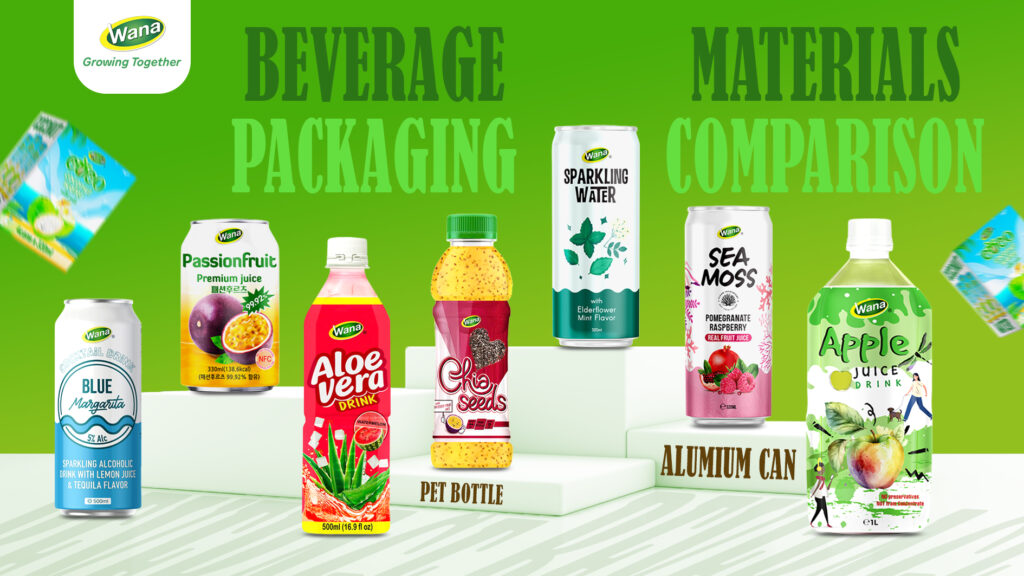
The table below provides a beverage packaging materials comparison to help businesses evaluate different packaging options.
| Material | Preservation Ability | Sustainability | Cost | Suitable Products |
|---|---|---|---|---|
| Aluminum Cans | Very high | High | Medium | Carbonated Drinks |
| PET Bottles | Medium | Medium | Low | Water, Juice |
| Glass Bottles | Very high | High | High | Premium Drinks |
| Cartons | High | Medium | Medium | Milk, Fruit Juice |
Read more: Top 7 Beverage Packaging Innovations Brands Can’t Ignore in 2026
Key Factors When Choosing Beverage Packaging Materials
Product Type
Different beverages require different packaging materials.
For example:
- Carbonated drinks need pressure-resistant packaging
- Fruit juices require materials that preserve flavor
- Nutritional beverages often require aseptic packaging
Shelf Life Requirements
If a beverage needs to remain shelf-stable without refrigeration, aseptic cartons are a suitable choice. Meanwhile, fresh beverages are often packaged in glass or PET bottles.
Production and Transportation Costs
Companies must balance packaging costs, logistics expenses, and final product pricing.
Brand Strategy
Packaging also serves as a powerful marketing tool. Premium brands may prefer glass bottles, while mass-market products often use PET bottles or aluminum cans to optimize cost efficiency.
Sustainability Trends in Beverage Packaging
Today, society is increasingly concerned about corporate sustainability. Companies that fail to address environmental issues such as waste and resource consumption risk losing consumer trust and market relevance. As a result, sustainability has become one of the most important considerations when selecting packaging materials.
Consumers increasingly prefer products packaged with recyclable or environmentally friendly materials. Many brands are therefore transitioning to:
- Recycled aluminum cans
- Recycled PET bottles (rPET)
- Bio-based packaging materials
- Reduced use of single-use plastics
These initiatives not only reduce environmental impact but also strengthen brand reputation among environmentally conscious consumers.
Read more: Top Trends in PLA Bottles for Beverages in 2026 & Why Brands Are Switching
Which Packaging Should Beverage Companies Choose?
There is no single packaging solution that works for every beverage. The right choice depends on several factors, including:
- Product characteristics
- Target market
- Brand positioning
- Production costs
- Sustainability goals
For this reason, many beverage companies conduct a beverage packaging materials comparison before making their final packaging decision.
What Materials Does Wana Beverage Use?
At Wana, we always prioritize both product quality and consumer experience. Our goal is to deliver the best possible product experience—from carefully selected ingredients to thoughtfully designed packaging materials.
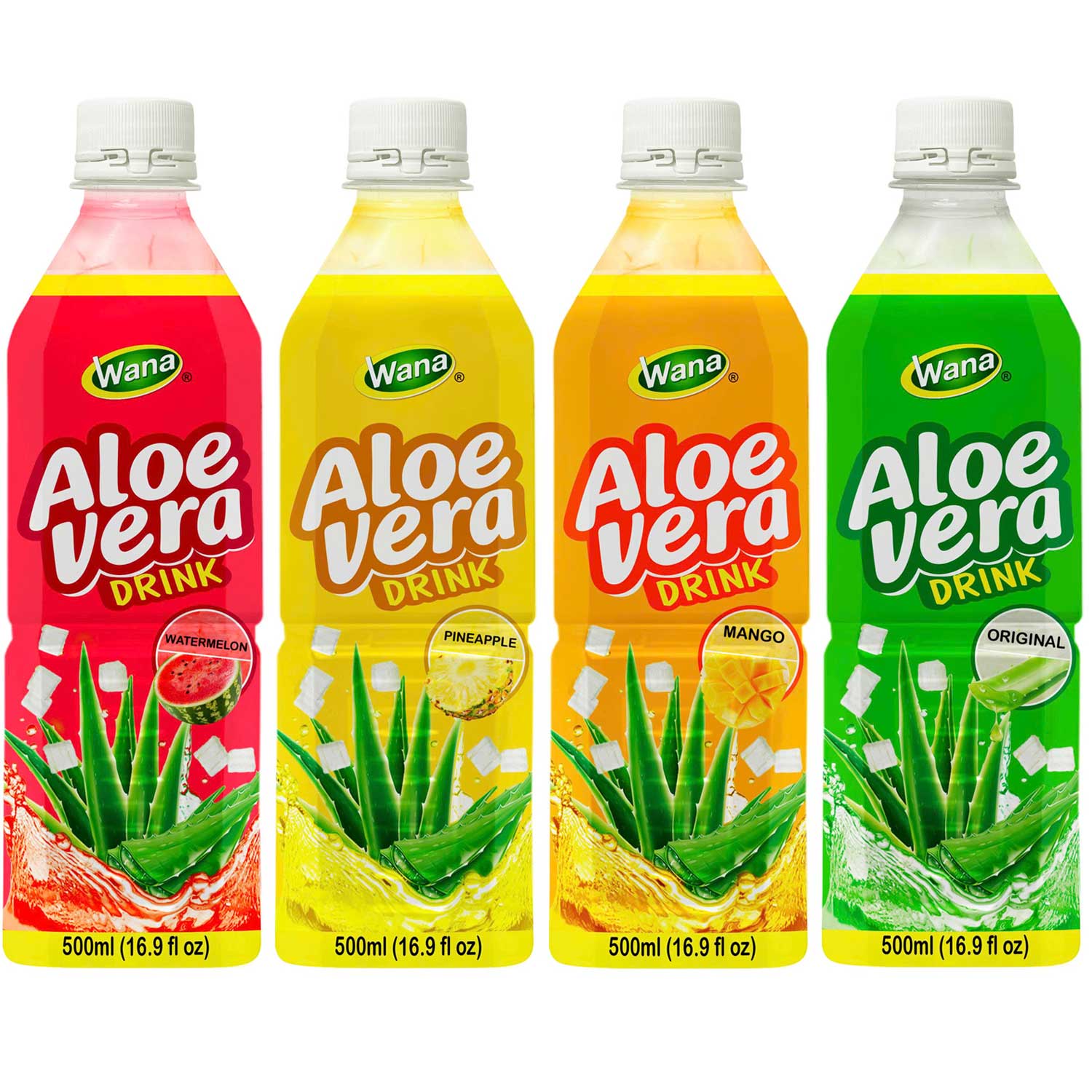
Sustainability is also a key factor in our packaging strategy. Currently, we use recyclable aluminum cans for products such as coconut water, fruit juice, coffee, and protein shakes. For products like aloe vera with pulp, tea drinks, and hydration beverages, we use rPET bottles.
In addition, Wana actively reduces the use of single-use plastics and participates in tree planting initiatives to contribute positively to environmental sustainability.
Conclusion
Packaging plays a crucial role in the success of a beverage product. Choosing the right packaging material not only protects product quality but also influences cost efficiency, consumer experience, and brand perception.
Through this beverage packaging materials comparison, it is clear that each packaging material—from aluminum cans and PET bottles to glass bottles and cartons—has its own advantages and limitations. Beverage companies must carefully evaluate product requirements, market strategies, and sustainability trends to select the most appropriate packaging solution.
In the future, the beverage industry will continue to see innovations in packaging technology to meet growing consumer expectations while moving toward more sustainable production practices.