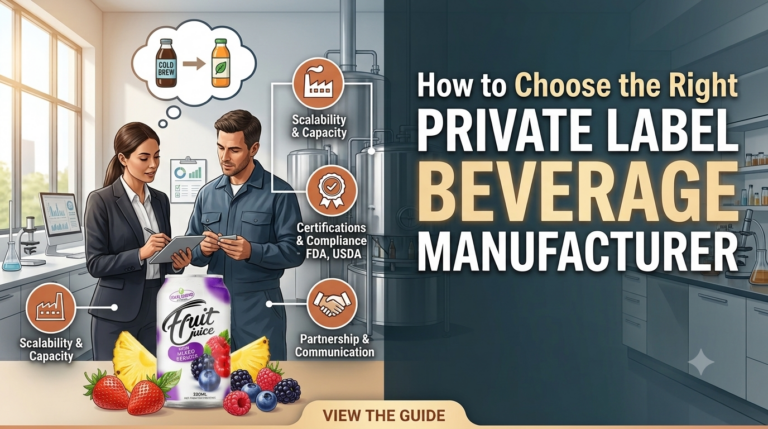
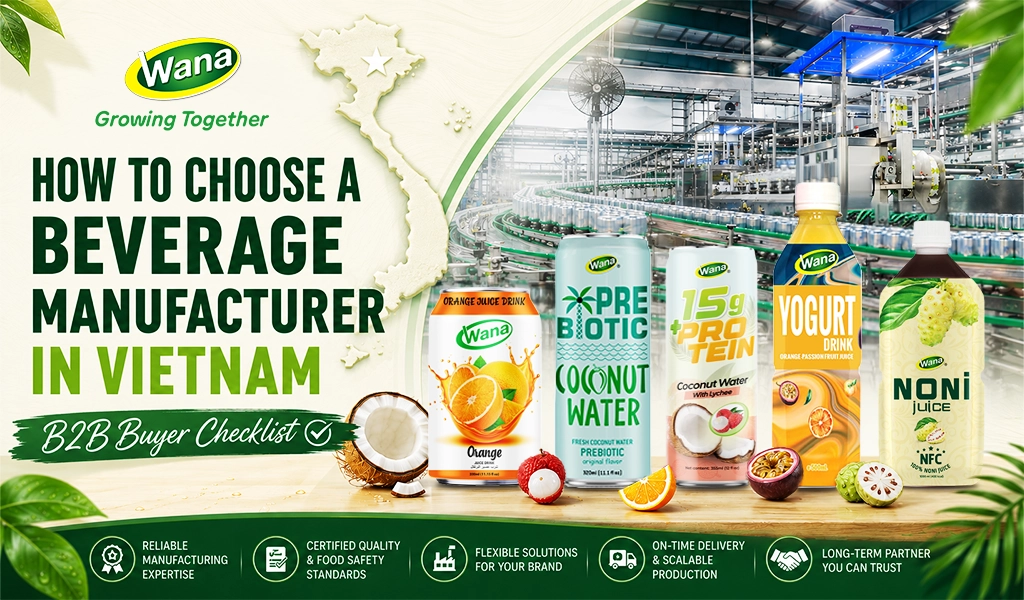
If you are researching how to choose a beverage manufacturer in Vietnam, focus on more than price. B2B buyers should evaluate food safety, export readiness, formulation support, packaging capabilities, communication, and production scalability.
Why is Vietnam an attractive beverage sourcing market?
Vietnam has become a serious option for brands looking to develop private label, OEM, ODM, and contract-manufactured beverages for domestic and export markets. The country’s wider food processing industry has been expanding, with USDA reporting that Vietnam’s food processing industry grew by 7.4% in 2024 to $79.3 billion, supported by industrial zones, rising domestic prosperity, and growing ingredient demand. (fas.usda.gov)
For beverage buyers, that growth matters because it signals a broader ecosystem: ingredient importers, packaging suppliers, logistics providers, laboratories, and manufacturers serving both local and international channels. The Vietnam beverage market also reflects changing consumer preferences, including demand for ready-to-drink products, healthier options, functional beverages, juices, teas, coffee drinks, coconut-based drinks, sparkling formats, and non-alcoholic alternatives.
That does not mean every factory is equally suitable. When evaluating a Vietnam beverage manufacturer, buyers should verify documentation, production capabilities, technical expertise, and export experience—not just a polished sales presentation.
Beverage manufacturer selection criteria: Start with product fit
It is tempting to begin with the lowest quote, especially when comparing multiple suppliers. But the better first question is whether the manufacturer already understands your beverage type, packaging format, target market, and compliance expectations. A low unit cost can become expensive if the factory cannot stabilize your formula, source the right packaging, or meet your destination-market requirements.
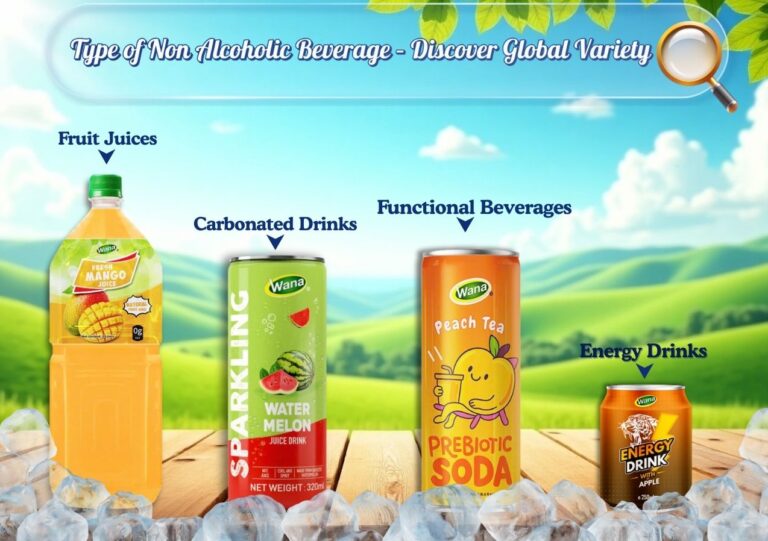
When you choose a beverage manufacturer, ask for examples of categories they can produce. This may include carbonated drinks, fruit juices, energy drinks, coconut water, aloe vera drinks, RTD tea, coffee drinks, functional beverages, dairy-based drinks, or plant-based beverages. The closer their current production experience is to your product concept, the faster you can move through sampling, pilot runs, and commercial production.
A good manufacturer should also tell you where they are not the right fit. That honesty is valuable. If your product requires hot fill, aseptic processing, carbonation, retort, cold chain, or sensitive ingredient handling, the factory’s equipment and quality system must match the technical requirement.
Beverage manufacturer audit checklist for B2B buyers
If you want to understand how to choose a beverage manufacturer in Vietnam, start with a structured supplier evaluation checklist. Use the criteria below before committing to samples, deposits, or long-term purchase orders.
- Product category experience: Confirm the factory has made products similar to yours in formulation, processing method, packaging, and shelf-life expectations.
- Certifications and audits: Request current certificates such as HACCP, ISO 22000, FSSC 22000, BRCGS, Halal, organic, or other relevant standards, depending on your market.
- Regulatory awareness: Ask how the supplier manages Vietnamese food safety rules and destination-market labeling, ingredient, and documentation requirements.
- Ingredient sourcing: Review whether ingredients are locally sourced, imported, or buyer-supplied, and ask how traceability is documented.
- Packaging capability: Confirm bottle, can, carton, pouch, label, cap, closure, and secondary packaging options.
- Minimum order quantity: Make sure the MOQ suits your launch plan, not just the supplier’s preferred production scale.
- Sampling process: Clarify sample fees, revision rounds, lead times, and whether samples are made in a lab or on production equipment.
- Quality control: Request information on in-process checks, finished-product testing, retention samples, and batch records.
- Export documentation: Ask about certificates of origin, health certificates, test reports, packing lists, commercial invoices, and other required paperwork.
- Communication: Evaluate response speed, technical clarity, and willingness to put key details in writing.
- Commercial terms: Review payment terms, incoterms, production lead times, claims handling, and confidentiality terms.
This beverage supplier evaluation checklist is not only for large importers. It is equally useful for start-ups, distributors, retailers, and brand owners that need to reduce risk before placing a first order.
What documents should a beverage manufacturer provide?
A credible manufacturer should be able to provide documents that prove legal operation, food safety controls, production capability, and export readiness. The exact documents depend on the product and destination country, but buyers should expect clear records rather than vague assurances.
Vietnam’s food safety framework requires food production and business facilities to maintain suitable premises, adequate water, appropriate equipment, pest prevention, waste treatment, safe storage, and records related to ingredient origin and production. (Law No. 55/2010/QH12) For B2B buyers, this means documentation is not a formality. It is part of verifying whether the manufacturer can operate safely and consistently.
Ask for documents such as:
- Business registration and factory information
- Food safety certificates or equivalent operating approvals where applicable
- Current quality system certificates
- Product specification sheets
- Ingredient lists and allergen statements
- Nutrition information support
- Microbiological and chemical test reports
- Heavy metal, preservative, or contaminant testing where relevant
- Shelf-life or stability test evidence
- Packaging specifications
- Batch coding and traceability procedure
- Export documents for previous shipments, with sensitive customer data removed
If a supplier cannot share every document immediately, that is not always a deal breaker. Some documents are product-specific and may be created after formulation. However, the supplier should be able to explain what is available now, what will be developed later, and who is responsible for each item.
Evaluate beverage manufacturer quality control systems
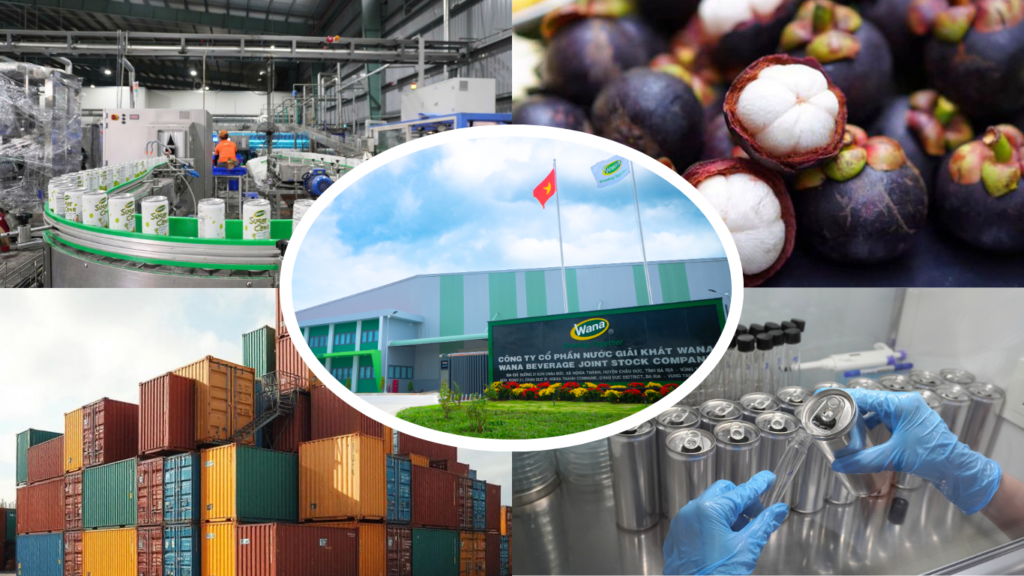
A factory tour, video call, or audit should focus on how quality is controlled from raw material intake to finished-goods release. Look for practical signs of discipline: clean production zones, controlled access, organized storage, documented procedures, calibrated equipment, retention samples, and clear batch identification.
Do not treat certifications as the whole answer. Certifications are helpful, but they should be supported by daily execution. Ask how non-conforming materials are handled, how corrective actions are recorded, and how the factory investigates complaints. A reliable beverage manufacturer in Vietnam should have repeatable quality control processes rather than a system that depends heavily on one salesperson or technician.
It is also wise to discuss shelf life early. Beverage stability depends on formula, pH, sugar level, preservatives, pasteurization, packaging, oxygen exposure, and storage conditions. If you are targeting export, ask whether the proposed shelf life has been validated for the shipping route and climate conditions your product may face.
Formulation and packaging decisions affect everything
Your manufacturer’s technical team should help translate your product idea into a scalable formula. A drink that tastes good in a lab sample may behave differently during heat treatment, carbonation, filling, or long storage. That is why sampling should include not only flavor approval, but also technical review.
Discuss these details before production:
- Formula ownership: Confirm whether the formula belongs to you, the supplier, or is licensed under agreed terms.
- Ingredient flexibility: Identify approved alternatives in case of supply changes or price volatility.
- Sweetener and additive strategy: Make sure ingredients match your target market’s regulations and consumer expectations.
- Packaging compatibility: Confirm that the beverage works with the selected bottle, can, carton, or pouch.
- Label claims: Avoid claims such as “natural,” “organic,” “sugar-free,” “functional,” or “high vitamin” unless they are supported and compliant.
- Sensory approval: Define who approves taste, color, aroma, mouthfeel, and appearance before mass production.
Packaging deserves special attention because it affects cost, shelf life, logistics, retail presentation, and consumer trust. A manufacturer may offer standard molds and label sizes, but custom packaging often requires longer lead times, higher MOQs, and additional tooling or design checks.
Compare MOQ, pricing and beverage manufacturing lead times
Price should be evaluated as a complete landed-cost picture, not a simple unit quote. Ask what is included in the price: formulation, samples, ingredients, packaging, cartons, pallets, lab testing, export documents, inland transport, and loading. If different suppliers quote different scopes, the cheapest offer may not really be cheaper.
Clarify production lead time by stage. Sampling, packaging procurement, deposit confirmation, raw material purchasing, production scheduling, testing, and shipping each take time. If you are launching for a retail season or distributor deadline, build in a buffer for revisions, customs questions, and logistics delays.
You should also put quality expectations into the purchase agreement. Define accepted specifications, inspection rights, batch coding, retention sample rules, defect handling, and what happens if goods fail agreed standards. Clear terms protect both sides and reduce conflict when pressure is high.
Red flags to watch before signing
Some warning signs appear early if you know what to look for. A supplier may still be legitimate, but these issues should slow the process until you receive better answers.
- They avoid sharing certificates, factory details, or product specifications.
- They promise any formula, any packaging, and any certification without reviewing requirements.
- They quote very low prices but cannot explain ingredient, packaging, or testing assumptions.
- They resist third-party inspection or factory audits.
- They provide inconsistent answers across sales, technical, and logistics teams.
- They cannot explain shelf-life testing or batch traceability.
- They push for fast payment before technical details are confirmed.
- They use another company’s factory photos, certificates, or product images without explanation.
A professional supplier will welcome serious questions. Your goal is not to create friction, but to confirm that the business relationship can handle real production complexity.
A practical selection process for B2B buyers
If you are deciding how to choose a beverage manufacturer in Vietnam, use a staged process rather than jumping straight from inquiry to order. Start by shortlisting suppliers based on product fit and certifications. Then request samples, technical documents, and a detailed quotation.
Next, compare communication quality. The best partner is usually the one that asks intelligent questions about your market, formula, packaging, claims, and order plan. After that, arrange a video tour, third-party audit, or in-person visit when possible. Finally, place a pilot order or controlled first run before scaling to larger purchase volumes.
This approach takes more effort upfront, but it reduces the risk of delays, rejected shipments, unstable products, and mismatched expectations. In beverage manufacturing, prevention is usually less costly than correction.
Evaluating Wana Beverage against these criteria
Buyers evaluating Wana Beverage can apply the same criteria outlined throughout this guide. Wana supports OEM, ODM, and private label beverage projects for international B2B buyers, including formulation development, packaging, production, quality control, and export preparation.
Before starting a project, buyers should confirm the requirements relevant to their specific product and target market, including formulation, MOQ, packaging format, certifications, lead time, testing, labeling, and export documentation.
For companies sourcing beverages from Vietnam, Wana Beverage can provide project-specific information, technical details, and relevant documentation to support supplier evaluation before commercial production.
Discuss Your Beverage Project
Share your product type, target market, packaging needs, MOQ, and certification requirements. Wana Beverage can provide project-specific information to help you evaluate manufacturing fit before commercial production.
Final takeaway
Understanding how to choose a beverage manufacturer in Vietnam requires looking beyond price. Evaluate technical fit, documentation, quality systems, production capacity, packaging capabilities, export support, and communication before committing to a supplier. With a clear checklist and a staged sourcing process, you can choose a beverage manufacturer that supports your launch today and your growth tomorrow.