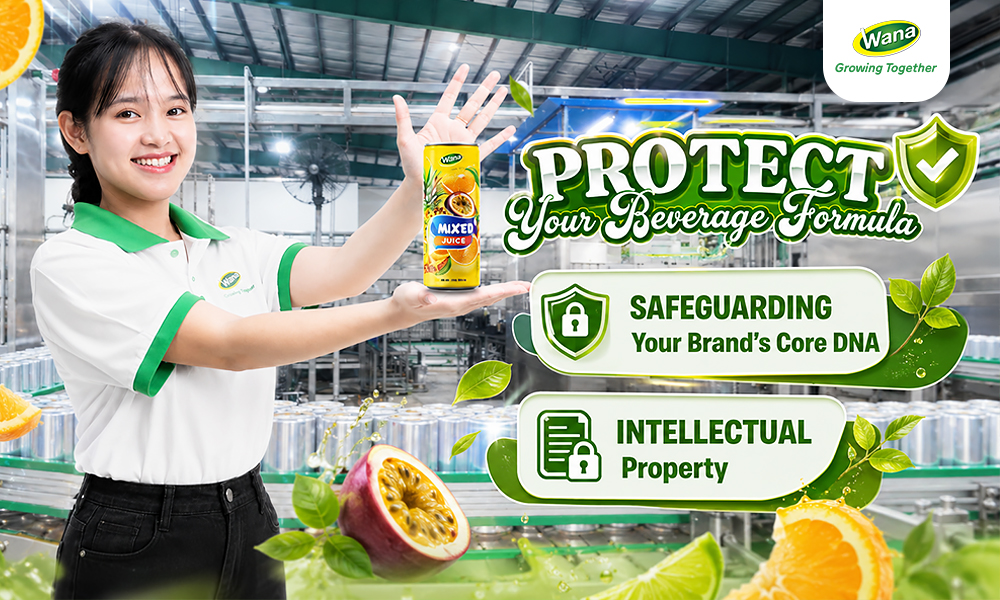
Before sharing formulation details, ingredient specifications, or product development documents, many beverage brands choose to sign a confidential beverage manufacturer NDA. This agreement helps define how sensitive information should be handled throughout the project while supporting transparency between both parties.
While an NDA cannot eliminate every possible risk, it creates a clear framework for protecting intellectual property and reducing misunderstandings during product development. Combined with proper documentation and a trusted manufacturing partner, it can help brands move from concept to commercialization with greater confidence.
Why It Is Important to Protect Your Beverage Formula
A beverage formula is often one of the most valuable assets a brand owns. It represents months or even years of research, testing, and refinement. In many cases, it is also what differentiates a product from competitors in the market. Whether you are developing coconut water, juice, energy drinks, or functional beverages, the formulation plays a major role in defining product quality, taste, and brand identity.
For startups and growing beverage companies, this is especially important. A single product may represent a significant investment and become a key driver of future business growth. Taking steps to protect your beverage formula helps preserve that investment while maintaining a competitive advantage.

At the same time, bringing a product to market often requires collaboration with external partners. The goal is not to avoid sharing information entirely but to ensure it is handled responsibly throughout development and production.
Risks of Sharing Information Without a Confidential Beverage Manufacturer NDA
Most established OEM manufacturers understand the importance of handling customer information professionally. However, brands should still be aware of potential risks before entering a manufacturing partnership. One common concern is unauthorized access to product information. Without proper controls, documents and formulation details may be viewed by individuals who are not directly involved in the project.
Another challenge arises when expectations are not clearly defined. Brands and manufacturers may assume they share the same understanding regarding ownership, confidentiality, and project responsibilities, only to discover differences later. Product development itself can also create complexity. New beverage projects often involve multiple departments, suppliers, and testing stages. As more people become involved, clear communication and documentation become increasingly important.
Fortunately, these risks can often be minimized through careful planning and well-structured processes.
Use a Confidential Beverage Manufacturer NDA Before Sharing Information
Before sharing formulation details, ingredient specifications, or product development documents, many beverage brands choose to sign a confidential beverage manufacturer NDA. This agreement establishes clear expectations regarding confidentiality, intellectual property protection, and the handling of sensitive business information throughout the development process. While an NDA cannot eliminate every risk, it provides a framework that supports transparency and helps protect valuable business assets.
Before moving forward, brands should ensure the agreement covers key areas such as:
- Product and formulation information
- Ingredient specifications
- Research and development documents
- Ownership of shared materials
- Confidentiality obligations after the project ends
Having these points documented early can help both sides collaborate more confidently and reduce the likelihood of misunderstandings.
Choose an OEM Manufacturer You Can Trust
While a confidential beverage manufacturer NDA provides an important layer of protection, it should be combined with strong internal processes and a trusted manufacturing partner. Protecting product information goes beyond contracts and legal documents. Choosing the right manufacturing partner is equally important. An experienced OEM manufacturer understands that handling customer information responsibly is essential to building long-term relationships. Reputation plays a significant role in the manufacturing industry, and trust is often earned through consistent actions over time.Established beverage manufacturers often use controlled access systems, restricted documentation workflows, and dedicated project teams to help safeguard customer information. These internal processes can provide an additional layer of protection beyond the NDA itself.
When evaluating potential partners, it is worth asking questions about how information is stored, who can access project data, and what internal procedures are in place to manage sensitive materials. The answers can provide valuable insight into how the manufacturer approaches customer relationships and information management. Trust may take time to develop, but transparency from the beginning is often a strong sign of a reliable partnership.
Limit Access to Sensitive Information
Not everyone involved in a project needs access to every detail. Professional manufacturers often limit access to product information to employees directly involved in research and development, quality assurance, or production planning. This helps reduce unnecessary exposure and supports better information management.
Brands can apply the same approach internally. Sharing information only with relevant team members can reduce the likelihood of accidental disclosure. Simple practices such as secure file-sharing platforms, password-protected documents, and controlled user permissions can contribute significantly to keeping information organized and secure. While these measures may seem straightforward, they are often highly effective when applied consistently.
Keep Clear Documentation Throughout Development
Product development is rarely a linear process. Most formulations go through multiple revisions before reaching final approval. Because of this, maintaining organized documentation is essential. Accurate records help track changes, testing results, ingredient specifications, and approval decisions throughout the project. They also provide useful reference points if questions arise later.
Documentation may include:
- Formula development records
- Product specifications
- Testing and evaluation reports
- Sample approval forms
- Project communication records
Good documentation benefits both the brand and the manufacturer by helping everyone stay aligned throughout the development process.
Understand Formula Ownership Before Production Begins
Ownership is another important topic that should be discussed early in the project. Some brands approach manufacturers with a completed formula and simply need production support. In other cases, manufacturers may contribute technical expertise, ingredient recommendations, or formulation improvements during development. Since every project is unique, ownership should never be assumed.
Instead, both parties should clearly define and document who owns the final formulation and any related intellectual property. Addressing these questions early can help prevent misunderstandings and create a stronger foundation for collaboration. When expectations are aligned from the beginning, both sides can focus on achieving the same goal: bringing a successful product to market.
Protect Information During Product Development
The development stage often involves the highest level of information sharing. Brands may discuss target consumers, ingredient preferences, nutritional goals, flavor profiles, and market positioning. These conversations are essential for creating a successful product, but they also involve valuable business insights. For this reason, information management should remain a priority throughout the entire process. Working with a manufacturer that follows structured development procedures can help ensure consistency from concept to production. At the same time, brands should remain actively involved by reviewing documentation, maintaining communication, and confirming that agreed processes are being followed. When both parties share the same commitment to professionalism, product development becomes more efficient and collaborative.
Build Long-Term Partnerships, Not Just Transactions
While contracts and procedures are important, strong business relationships remain one of the most effective ways to support successful collaboration. Many beverage brands work with the same manufacturing partner for years. Over time, communication improves, expectations become clearer, and both sides gain a better understanding of each other’s goals. Manufacturers that value long-term partnerships understand that trust is built through consistency, transparency, and reliability. These qualities not only support smoother operations but also contribute to a stronger working relationship overall. For brands, having a trusted manufacturing partner can make future product development projects more efficient while helping maintain quality and consistency across product lines.
Final Thoughts
A confidential beverage manufacturer NDA is an important tool for protecting sensitive product information during beverage development and manufacturing. While an NDA alone cannot eliminate every risk, it helps establish clear expectations regarding confidentiality, ownership, and information handling.
However, protecting a beverage formula requires more than a signed agreement. Clear documentation, controlled information access, and a trusted OEM partner all play important roles in safeguarding valuable intellectual property. By taking these precautions early, beverage brands can develop new products with greater confidence while building stronger long-term partnerships.
At Wana Beverage, we understand that every beverage formula represents a significant investment of time, expertise, and resources. That’s why confidentiality, transparency, and long-term partnership remain central to the way we work with our customers.